
Conversion Corner: Lessons learned from 2021
Chalkline CEO Daniel Kustelski looks at some of the headline customer acquisition numbers from the past 12 months and how the lessons learned will impact marketing spend in 2022


As the final numbers for 2021 are coming in, the sentiment in the market about customer acquisition has altered significantly from this time last year. In fact, sentiment has changed significantly over the NFL season alone here in the US. Reflection on the year-end figures allows us to critically look at customer acquisition and the challenges that operators continue to face. First, we will look at the states that are noteworthy and discuss the overall trends that have emerged. In particular, we will look at the handle and hold for the year and how it compared to previous years. In total, both handle and hold grew by more than 100% over the past 12 months. There are some challenges with taking those figures at face value, but we will explore the year-end profitability and bonusing in a select few states. Lastly, many operators have shed light on their customer acquisition efforts and profitability in recent quarterly reports. We will explore these in more detail and summarise their 2021 efforts and focus points for 2022.
Nevada
Nevada had three straight months of $1bn in handle to end the year with more than $8bn wagered. With a 5.5% hold, that was an increase of almost 70% from 2020. Without prevalent bonuses and mobile registration, as well as challenging mobile apps, these figures are incredible. We are only two years removed from Nevada hitting a record handle of $5.3bn in 2019 and I can’t help but think that casual sports bettors are coming to Nevada educated and/or willing to learn how to bet far more than they have in the past.New Jersey
New Jersey recorded an impressive $11bn in handle for 2021. That represents a 100%+ increase from the previous year. Hold in New Jersey has also increased by more than 100%. Driving this has been an increase in the hold on parlays, which have been marketed pretty hard and are a key point for most books as they start to acquire casual bettors. The most important figure that I see is that the 2021 New Jersey sports betting was approximately 17% of all gross gaming revenue generated in the Garden State. And when both online casino and sports betting are combined, they account for 46% of total GGR. This certainly demonstrates that betting can be a much higher percentage of GGR than exists in Nevada (less than 2%). It certainly isn’t an enmity with New Jersey gaming increasing 64% from 2020 and more than 30% increase from 2019.Indiana
Even in a state like Indiana both handle and hold more than doubled from 2020 to 2021, showing great progress that doesn’t seem to be slowing down. While 2021 only saw one additional mobile operator go live, the state saw more than 26% of betting handle on parlays. By comparison, New Jersey percentage of handle is only 22% for 2021. This certainly makes me think that parlay revenues may account for 60% of all sports betting GGR in Indiana.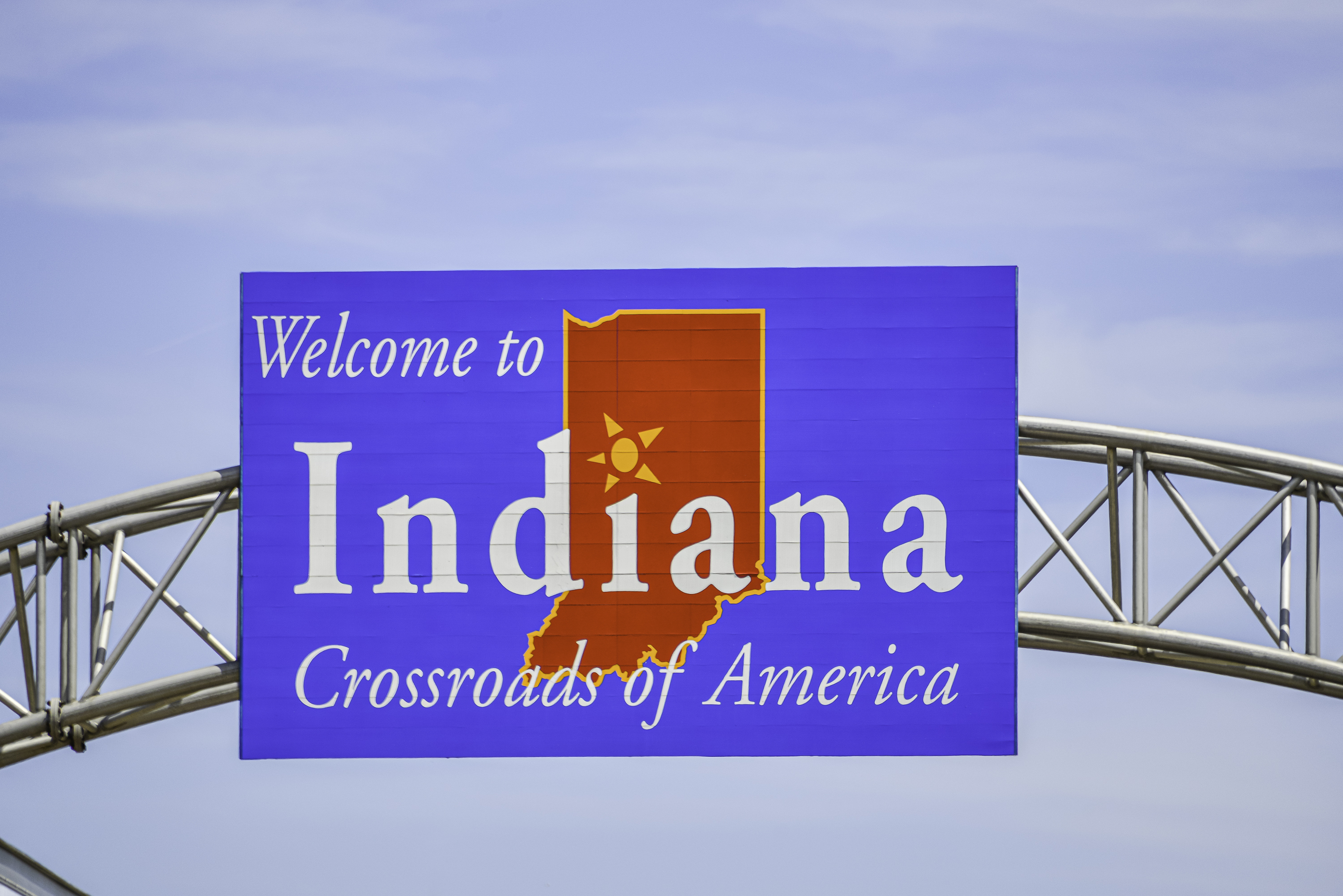
The tactic of bonusing
The customer acquisition tactic of bonusing continued to be front and center of marketing efforts in 2021. Aggressive bonuses are prevalent in states that recently opened and football season is always a time for operators to acquire and re-activate players. As such, they bonused heavily during this time:- Pennsylvania saw bonuses of 30% of sportsbook GGR in 2020 and that increased to 33% in 2021 while handle and hold doubled
- Arizona operators bonused 84% of sportsbook GGR after the first and second months of operations
- Michigan sportsbooks bonused 52% of betting GGR back to players in 2021, the first year it accepted online/mobile sports betting
- Colorado’s rate was 56%. That may have something to do with the fact there are 25 books targeting a smaller population state than Michigan.