
The 10 most influential online gambling people this decade: #4
Alun Bowden turns to the UK recreational betting sector for the latest entrant on his list of influencers

4. Richard Flint
Sky Betting & Gaming
Reason: Recreational betting
The modern online betting world is full of talk of recreational, entertainment-driven betting and mass-market media integrations, but coming into 2010 this was far from the norm. At the start of the decade, betting businesses looked and spoke differently, but then along came Sky Bet. They didn’t create the model, and Paddy Power would certainly lay claim to its role in the transformation here, but they were a big a part of it.
From less than £100m in annual revenues at the start of the decade and mostly viewed as somewhere between novelty and interesting experiment it looks set to end it closer to £700m as one of the largest operators in the UK market. And the focus on lower-staking, recreational players in all aspects has been the key to this. For CEO Richard Flint this was maybe initially borne of necessity with the acquisition funnel squarely around interactive TV customers (remember those?) on the Sky platform. But it quickly became a guiding philosophy for how to build a betting business for the future.
As the business embraced more of the mass-market consumer world, with an early and intense focus on mobile, it began to grow and take share year-on-year before things really took off, thanks in part to the now ubiquitous request-a-bet. RABs have revolutionised sports betting in the UK market and are rapidly spreading all over the globe under a variety of guises, alongside their more utilitarian sister product of build-a-bet. They have reinvented multiple bets and given customers both the feeling of personalisation and control and bets that feel more entertainment-driven than before. While for the operators they have had the handy impact of ramping up margin on what was becoming an increasingly squeezed sector.
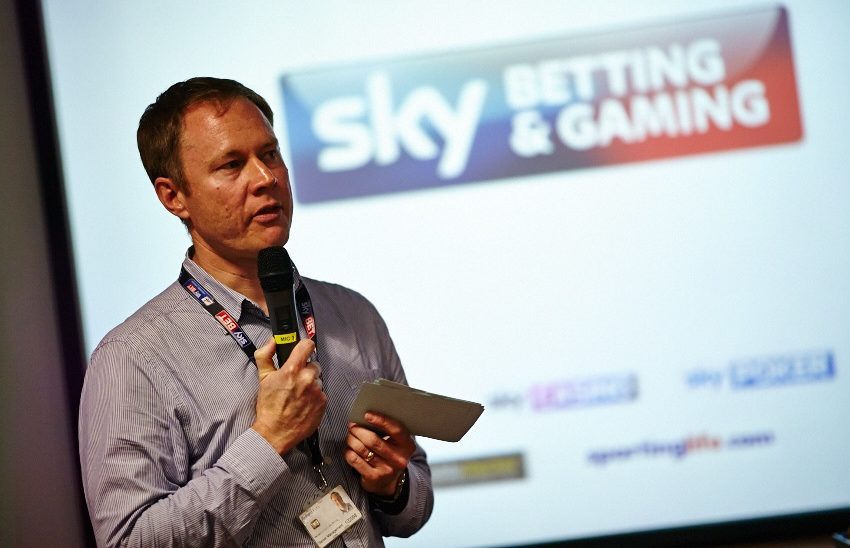
Flint didn’t create RABs and it was never a “big idea”. The product instead arose organically from the social media desks, via the traders who carried out some of the odder requests for markets that were coming in on a weekend and eventually through the various data, marketing and BI teams who collaborated to turn them from a novelty into a key product not just for SBG but for the industry. And this, in many ways, is the story of SBG and of its impact on the wider industry.
The success of SBG was more about the culture of collaboration than it was about any of the senior management, as Flint himself would be the first to admit. As with any successful business there were unsung heroes throughout the business pushing to keep moving things forward. Flint was a big part of creating this environment from his focus on making SBG feel less like a betting company and more like a technology company, to more mundane aspects such as hot-desking over having an office.
And there is no doubt the SBG model is one many look to copy as we head into the next decade. From firms who speak of being technology-focused, to the slew of US-based firms who are basing their marketing strategy on media-integration, to Sky Bet’s UK rivals who are flush with odds boost, custom bets and all the other small things that make up the SBG recreational betting model. Few firms set a standard that others look to follow and even fewer do it across international markets.
It’s not correct to attach the success of Sky Bet to Richard Flint alone, and there was and still is a hugely talented team at SBG that both created and drove that success along with him. But he’s a stand-out leader in this decade and there is a reason many of the current crop of senior executives, with some obvious exceptions, feel a little “Flintian”. The influence of Sky Bet on the current, and maybe future, generation of operators is undeniable.