
Leveraging the Latam opportunity demands staying power and persistence
Pronet Gaming CEO Alex Leese outlines the territorial differences that could spell success or failure in Latin America

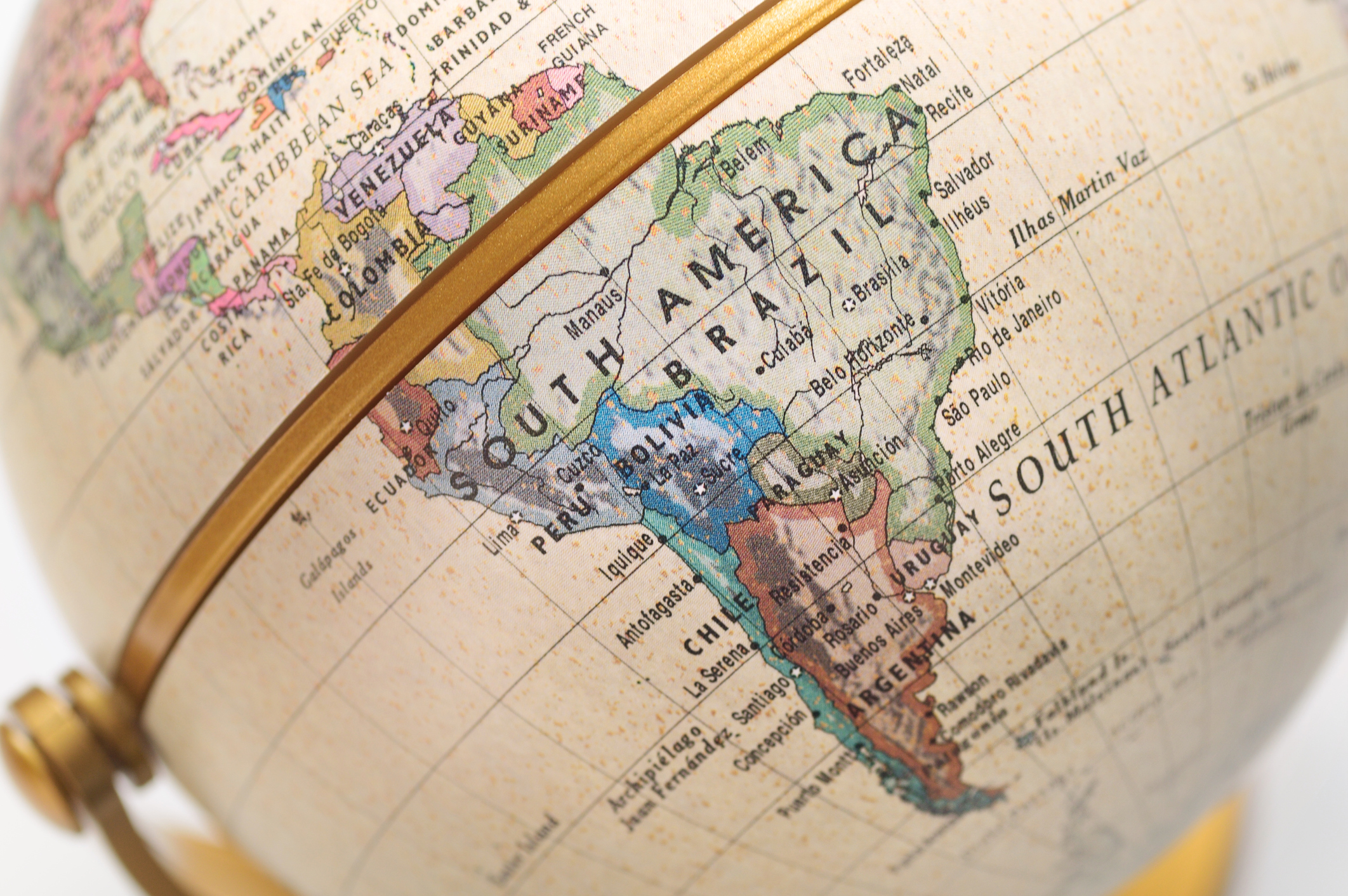
With a number of countries across the continent moving towards a regulated model, Latin America is on track to become a real powerhouse in the sports betting industry. But just as with Africa, Asia or even Europe, international companies waiting for the floodgates to open need to understand the region’s complexities. A blanket approach to product, marketing and brand won’t cut it in a territory where betting behaviours, culture, regulation and infrastructure vary widely. You have to drill down on a country-by-country level. So how do Latin America’s key territories differ? At one extreme you have a well-developed market like Mexico. Once driven by retail, the country is now producing real online growth with several strong brands leading the charge. That, of course, includes Caliente, which holds the majority stake, but also many successful companies operating in the co-existent grey market. Aside from Mexico’s maturity, it’s also an anomaly in terms of popularity of sporting content, with the country’s proximity to America influencing a 50-50 split between US sports versus both domestic sport and European football. On the other hand, you have markets like Peru, Chile and Argentina which stand on the precipice of implementing regulatory frameworks. There are several online brands in their respective grey markets too, poised to make a quick move into the regulated space once the opportunity presents itself. But in contrast to Mexico, European-style products tend to prevail. With that comes a more familiar take on marketing, with promotional strategies reflecting the norm seen on the opposite side of the Atlantic. And finally, there is Brazil, another market on the cusp of regulation with one discernible difference: size. With a nation of 210 million people, you can only imagine the potential in terms of player and betting volumes, but at the same time, the populous nature of Brazil presents many peculiarities. There is a dominating preference for bingo products, while licensed retail and online betting are currently restricted to horseracing. Combined with the co-existence of the still underground jogo do bicho, a referral source for grey-market sports and casino betting, the operating conditions become even more unfamiliar. Yet, for the B2B and B2C providers who can recognise this, there is a competitive edge to be gained.
Debunking myths
An easy generalisation to make is that Latam products need to be simple. That may well be true for markets already operating under a regulatory framework, or even those on the fringe of formalising a betting and gaming sector, as the aim is to acquire a large volume of recreational players. But that story doesn’t apply to the grey zones, particularly where re-skinned versions of European sites are already popular. The end-users are just as savvy and sophisticated as anywhere else and using exchanges to hedge bets is commonplace. Practices such as offering simple wagers to educate players seen in markets like Mexico are therefore unnecessary and won’t have the desired impact. Meanwhile, consideration must also be given to content. Although US sports make up a much higher proportion of the highest turnover sports, domestic and European football is still, and will probably always be, king.
With its population of 210 million, Brazil is an enticing – yet idiosyncratic – market
 Alex Leese is the CEO of Pronet Gaming. He joined the company in 2019 to spearhead its global expansion into emerging markets, having held various management roles at William Hill, Sportingbet and GVC Holdings.