
Europe and beyond: where’s gaming’s next hotspot?
Alexia Smilovic Ronde, chief regulatory officer at Relax Gaming, explores what we can expect from Europe in the not-so-distant future


While Europe may be the world’s most established market for gaming, given the likes of the UK, Italy and Scandinavia, we are still looking at new sources of potential as the landscape of entertainment transforms. Jurisdictions in every part of Europe, from the Mediterranean to the Baltic Sea, are continuing to come online – and I believe that despite the economic outlook for this year, the gaming industry still has some untapped opportunities on the continent. An understanding of these changing dynamics will be crucial to success, in both newly regulated markets and more established jurisdictions. Germany is a prime example of this, but its chaotic first 18 months of regulated operations makes its trajectory difficult to predict. Without passing any judgement, it could be argued that the situation was fostered either by an unprepared and far too abrupt implementation of restrictions, or by the lack of action from the authorities regarding operators not complying with said restrictions. Some might call this an excessive reaction, in that the authorities have arguably imposed restrictions that make it very difficult for the majority of operators to level up the playing field and cope with this “two speeds” framework. We can see the knock-on effect this has, as excitement for many has certainly cooled. In stark contrast, the Danish model has been praised for years for its pragmatic yet controlled approach to regulation and it shows in terms of operators and suppliers’ diversity and ever-growing revenues since its opening in 2012. Despite the past two years’ increased revenue, partially due to the Covid crisis causing a land-based migration online, the market should revert to its normal growth pattern over time and will continue to be a good example to neighbouring Norway and Sweden as well. Sweden is especially interesting in this case, with regulatory change on the horizon given the potential of the B2B licensing scheme next year. It has certainly had its challenges since going live in 2018, but we should definitely be keeping a close eye on the market for further developments. The removal of Covid restrictions has enabled operators to return to business as usual, which has provided some relief for licensed operators, but as with other large regulated markets, the important issue to help ensure success is the channelisation of players towards regulated gaming no matter where they are in Europe. Also growing steadily is Spain, particularly since the introduction of the slots vertical in 2014, which has been the country’s catalyst for casino growth. We saw unprecedented levels of online GGR in 2020 and 2021, which was partly driven by an increase in new players. However, we have yet to determine whether these levels can be sustained now that Europe has returned to normal work and life conditions after the crisis. As well as that, a new set of responsible gambling requirements around player spending is under consideration from the authorities, although there hasn’t been a formal introduction yet. These requirements aim to limit overall spending by introducing mandatory loss limits for each session or actively monitoring players going through their monthly limits a bit too quickly. We’ll have to see if the Spanish authorities proceed with this action in 2022 or beyond.
Liberalising Europe
The question of if and how Norway could liberalise following Norsk Tipping’s legacy remains a challenging one and will act as a great litmus test to see if the Norwegian authorities have learned from more than a decade of market regulation across Europe. The political will to maintain a state monopoly is far stronger than it ever was in other countries, and the current indicators do not point toward the adoption of a local licensing regime any time soon. To put the importance of regulation done right we need to take a step back and understand how this actually sets the conditions for the market. What we hope to see would be the balancing act that we’ve made a case for as an industry in these past few years, and this will be conducive to Europe’s success. It’s equally essential that the B2B actors through new licensing processes can carry the intended regulatory responsibilities and weight to set an even playing field, but also make their voice heard to the authorities as an integral part of the compliant and safe product and environment provided to the players.Untapped potential
Central Europe remains an ideal landscape for suppliers seeking new opportunities. Up until now, many of these countries simply have not been a primary focus for providers but more aggressive expansion into these regions is likely in the coming years. Regulated markets that are accessible under online casino or equivalent local licences in Central Europe include the Czech Republic, Slovakia, Romania and Hungary, while Poland is under state control and B2B companies could potentially be appointed under tender conditions. With the exception of Romania, which features a more diverse operators base, these local licence regime markets are dominated by local and regional operators who had a strong land-based presence and brand recognition prior to licensing. The Czech Republic is unarguably the largest market in Central Europe and offers great potential for online casino suppliers even if this is predominantly a sports betting market. The online casino segment experienced double-digit growth every year since its opening in 2017.European influence abroad
Last but not least – and this will merit its own article, we’re no doubt going to see European providers heavily shape the North American landscape, especially in Ontario. It is undeniable that North America will be a major focus for years to come as more states regulate and operators present in online states look to diversify their offerings to increase their performance. On top of that, Ontario promises to be one of the biggest igaming jurisdictions on the continent. However, the licensing conditions are more difficult to meet and sustain over time. The higher qualification threshold, regulatory approach to responsible gambling and player protection all mean that securing an initial local presence will be challenging – and could certainly slow the market’s growth.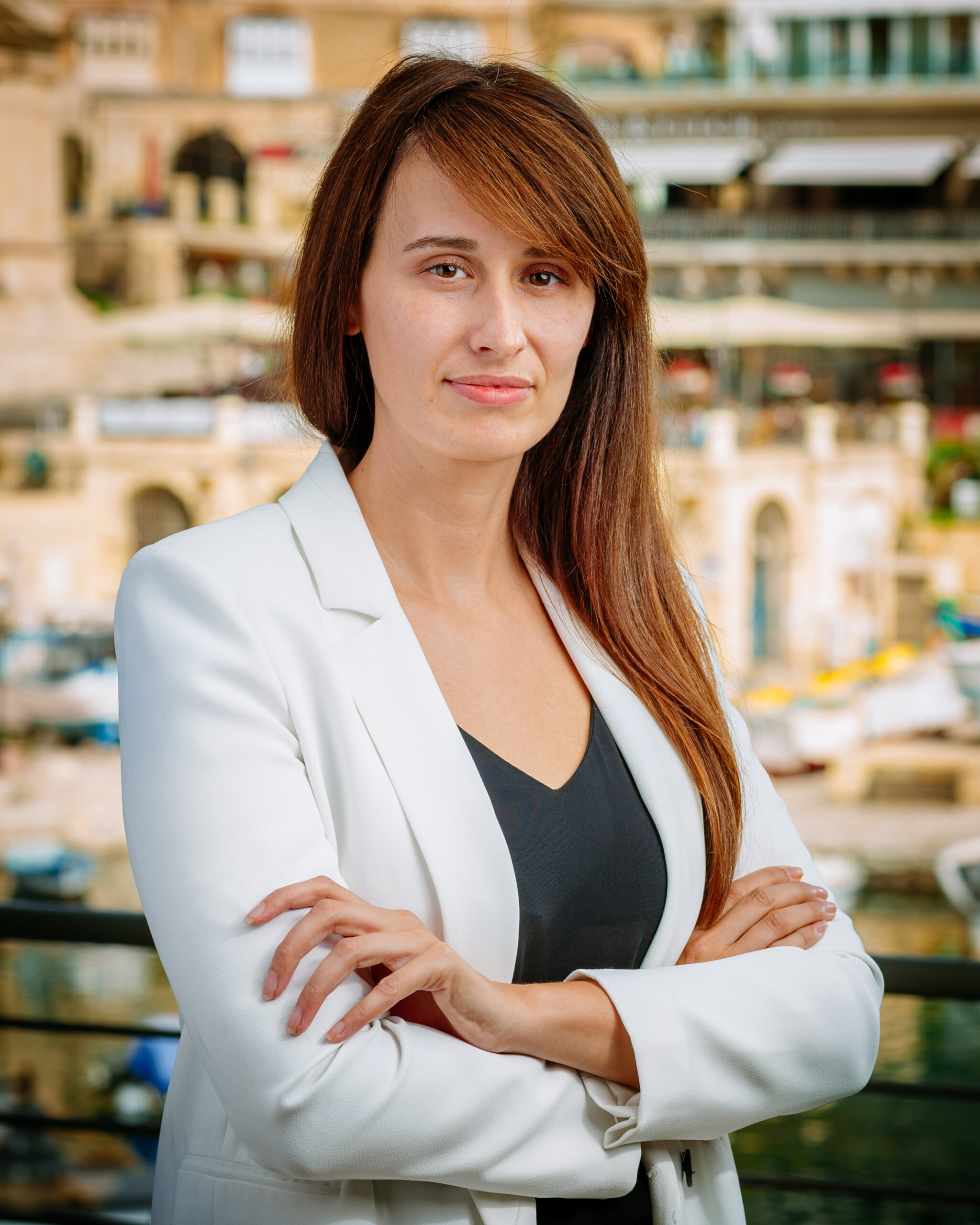 Alexia Smilovic Rønde is chief regulatory officer at Relax Gaming and boasts 11 years’ experience in the online gaming industry. She combines a unique blend of regulatory, compliance, product, operations and business expertise across worldwide jurisdictions, which she wields to effectively support business strategy, growth and short to long term threat mitigation