
Denmark: Untapped potential
Peter Christian Noer, Soft2Bet’s head of country managers, discusses opportunities in the Danish regulated market and how it is likely to evolve

The Danish market has been in the sights for Soft2Bet for some time, having been identified as a potential market to enter early in the company’s head of country team Peter Noer’s tenure. His appointment in 2020 has seen the company grow across several other markets, while preparations for entering the Danish market were underway. “After launching in Sweden in early 2020, this was the natural next step, with pronounced similarities between the two jurisdictions. Operating in the Swedish landscape provided a slew of learnings helping to form our strategy for entering the online market in Denmark.” In 2012, Denmark was one of the first markets in Europe to introduce an open, regulated market with a large number of operators applying and being handed licences in late 2011. The Danish market is home to tech-savvy individuals that are receptive to new technology and are attuned to what innovative products can allow the market to flourish. This combination has meant that the Danish gambling market has seen continuous growth since 2012. Commercial licences for sports betting, casino and poker have been available since the market’s re-regulation, although it took until 2018 for licences to be made available for horse and greyhound race betting and bingo. With such a rapidly growing market, the subject of player safety is naturally a concern. As such, the Danish Gambling Act introduced the ROFUS database, a register where vulnerable players can self-exclude across all licensed sites in one go. Furthermore, changes to sales promotions including maximum amounts, giving players at least 60 days to fulfil a promotion and limiting wagering requirement from promotions to x10 have been put in place to protect players. Additionally, no offer can be tailored to an individual but must be made available to at least 100 players. Soft2Bet offers valuable insight into this space, with Noer highlighting that the licensing process can be divided into two parts – legal/financial and technical. He said: “The legal/financial aspect covers what structure is in place and why the business qualifies to enter the market, whereas the technical side ensures online sites that go live are integrated both so that the regulator can access data in a correct way and also to ensure that the operator has all the needed player protection and verification procedures in place. Once these conditions are met, operating within the lively Danish market can commence. “The Danish gambling market is ever-changing – only recently changes to charitable lotteries, match-fixing prevention and the Danish Gambling Authority’s enforcement measures were announced. In 2021 the gambling tax rose from 20% to 28% of the GGR, which certainly doesn’t help new entrants to the market. However, by remaining up to date with government requirements and reacting to changes when they happen, it’s possible for operators to adjust their plans and processes, and ultimately to adapt to the market conditions to ensure profitability.” For operators looking to start this process, he recommends availing of assistance from third parties, such as legal professionals with experience in the application process, as well as providers that offer setting up databases and have access to NemID/MitID authentication. He stressed that the Danish Gambling Authority (DGA) provides helpful guidance along the way to ensure that all criteria and test results are met. “This level of documentation and the complexity of technical integrations can be challenging at times, but it’s important to remember that this is done to ensure that only qualified organisations are allowed to enter the market.”
Follow the rules
Strict regulations like these may initially seem too demanding, but the benefit of operating in a regimented market is that it instils the consumer with a level of trust. “It also invites more companies to the country, with a greater number of tier-one operators, who themselves will only operate in regulated jurisdictions, placing that market in higher regard,’ he said. The latest data from the DGA showed Danish gamblers in 2021 primarily spent most of their time on online casinos, with lotteries in second place and land-based casinos accounting for the least amount of spend. Statistics from the DGA continue to highlight the strength of the online space in Denmark – GGR for online gaming has been on the rise, up from 31% of the total gambling market in 2012 to 59% in 2020. The popular online gambling market is highly attractive to igaming brands, Noer affirms. “The Danes are quite traditional when it comes to both online casino and sports betting. They enjoy a wide variety of online casino games, but one important aspect is that live casino games have become increasingly popular as a supplement to popular slot games. This is perhaps something that was brought forward during the pandemic, as people explored online products more. From a product perspective, it requires some new, innovative features to catch the attention, but I believe we have that.” Despite this traditionalism, it is vital to appreciate Scandinavia’s digital-savvy population. “Identifying new ways to gamify products and continually optimise for smartphone use will be essential to improving the customer experience,” he added. With the Danish market boasting such a strong online gambling market, it is more than capable of attracting a large variety of operators and suppliers. Noer adds: “Ultimately it’s the product quality, user friendliness, speed and convenience that succeeds in the market – and I’m confident that we have a very strong platform that can deliver this for us in the Danish market as well.”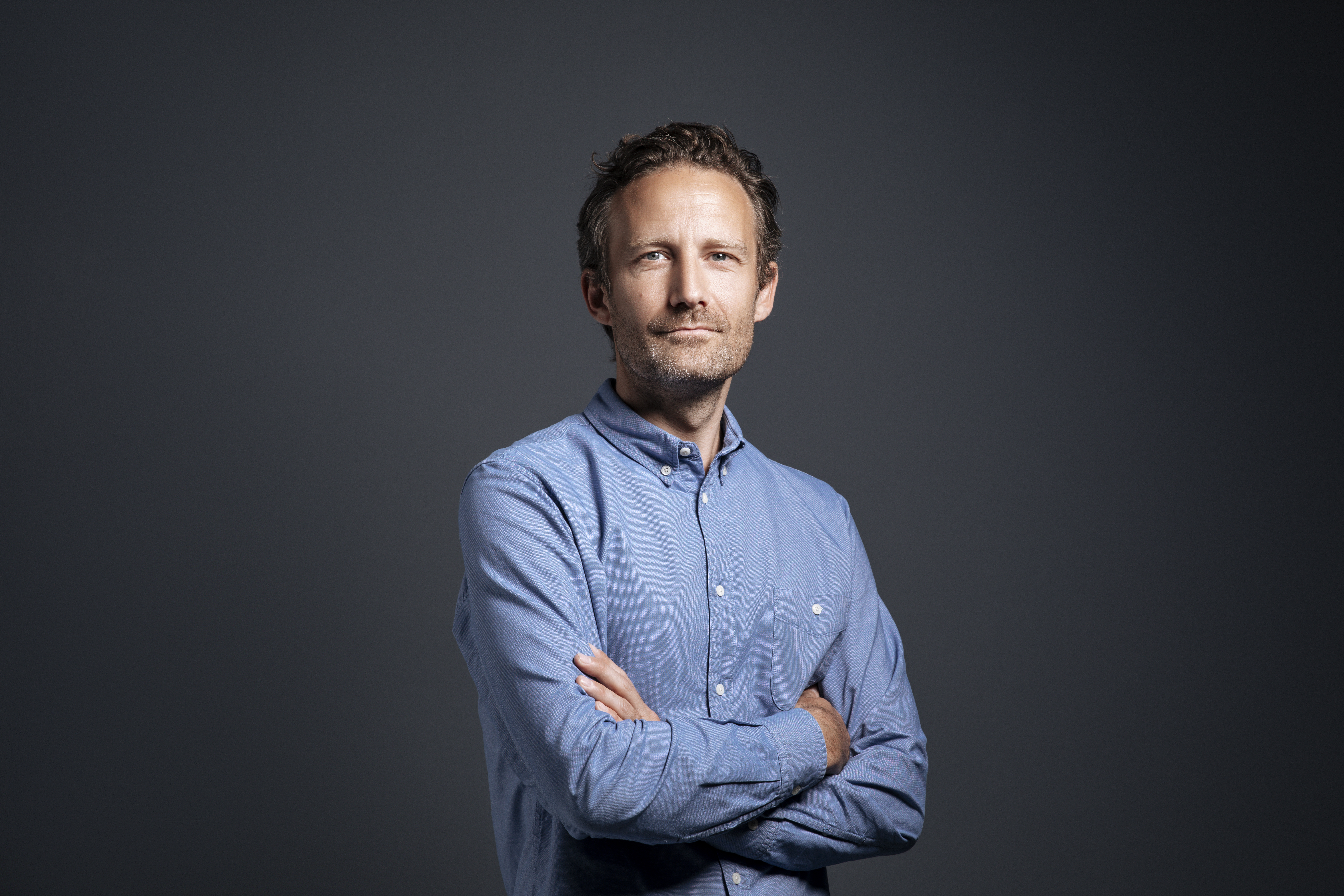 Peter Christian Noer is Soft2Bet’s head of country managers. He specialises in building team structures and developing market strategies, with industry experience that spans over 10 years. His previous roles include management positions at Betsafe, Danske Spil and Casumo.