
Crypto corner: The top three things sports teams can avoid in the metaverse
Lars Rensing, CEO of enterprise blockchain service provider Protokol, examines the importance of the fan experience in the metaverse through engagement, NFTs and real-world prizes

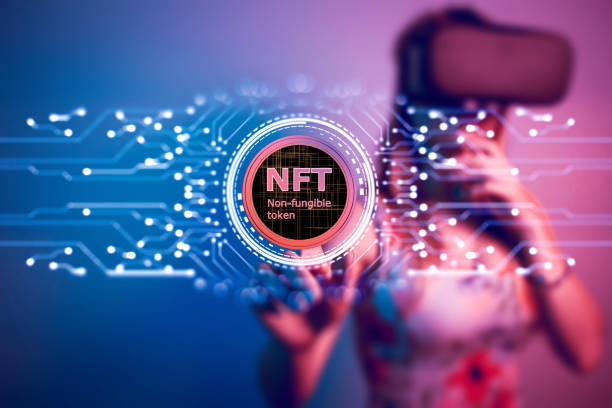
The metaverse – a type of digital universe – has become the new buzzword for companies looking for innovative ways to engage their audiences. Organisations from all sectors have rushed to announce new offerings. This is something we’ve seen with Disney’s appointment of a new executive to lead on metaverse strategy. The sports industry in particular is harnessing the technology, with the NFL expanding to the metaverse via Roblox and the Brooklyn Nets becoming the first pro sports team in the US to join the virtual world.
However, sports teams looking to benefit from this new technology run the risk of doing more harm than good without a considered strategy. As with all moves to increase fan engagement, this means putting the fans first. An approach which isn’t led by improving the fan experience could open up teams to criticism that they only want to turn a profit, rather than create something genuinely designed to improve the fan experience.
This kind of backlash could prove disastrous for teams, and is why appointments like Disney’s are essential to mitigate this potential risk. Here are the top three things sports teams should avoid when entering the metaverse:
- Don’t forget to make your fans the priority
These NFTs can be offered to fans as a reward for virtually interacting with the team, or can be offered as exclusive collectibles to fans, with examples including access to limited edition merchandise or the ability to unlock discounted items. Teams can also go one step further by offering wearable kit or jersey NFTs for supporters to wear within the metaverse, which has the added benefit of potentially growing the fan base.
Sponsors could also get involved with NFT rewards, offering complementary options alongside team NFTs. This would allow these teams to strengthen their relationship with their sponsors as well as fans. These kinds of NFTs let fan bases foster closer emotional connections with sports organisations. NFTs themselves are also essentially used as keys or tickets to unlock certain experiences, making them key assets for fans.
- Avoid just streaming events – make them unique
For instance, teams can create NFTs for followers to buy as tickets for the event. Not only can they then access the event, but they also have a permanent reminder of it. This would be an exclusive collectible, which would give it additional value, and as such encourage greater interaction with teams. Teams could also create experience NFTs to go alongside these events. For instance, fans could purchase an NFT to access a virtual meet and greet with team players following a game, or to attend a Q&A session about the event afterwards. These NFTs can drive engagement with fans in the digital universe, as well as strengthening fan bases more generally.
- Avoiding stopping virtual stadiums at just recreation
Aside from hosting virtual events, these stadiums can host more exciting experiences for fans. For instance, fans could play virtual games within a stadium, such as a virtual penalty shootout or treasure hunt throughout the venue. Virtual stadiums can also be host to virtual e-commerce, such as a virtual club store or NFT showcase, giving global fan bases the experience of being at a venue in person without having to travel there. Fans could also attend virtual experiences at recreated stadiums, such as virtual meet and greets, training sessions or tours of the ground.
New innovations like the metaverse can be a gamechanger for sports teams. From strengthening fan bases to opening up new streams of revenue, the sports industry has the potential to take hold of this new technology and give fans all new experiences. By avoiding the trap of forgetting that fans are the priority, teams can position themselves at the forefront of the virtual world.
Lars Rensing is CEO and co-founder of enterprise blockchain services provider Protokol. He has more than four years’ experience in the blockchain industry, helping to lead and co-found Ark; the open-source blockchain platform which underpins Protokol’s blockchain services. He is passionate about helping everyone from start-ups to enterprises unlock the opportunities of blockchain technology for their business, and as a result currently also serves as an adviser for a number of start-ups leveraging blockchain technology. He leads the overall strategy and direction for Protokol, which is helping businesses across the world solve real challenges though custom blockchain solutions.