
Cheltenham and the abandonment of bookmaking common sense
Joe Saumarez Smith, chairman of Bede Gaming, talks aggressive trading strategies ahead of next week’s Cheltenham Festival

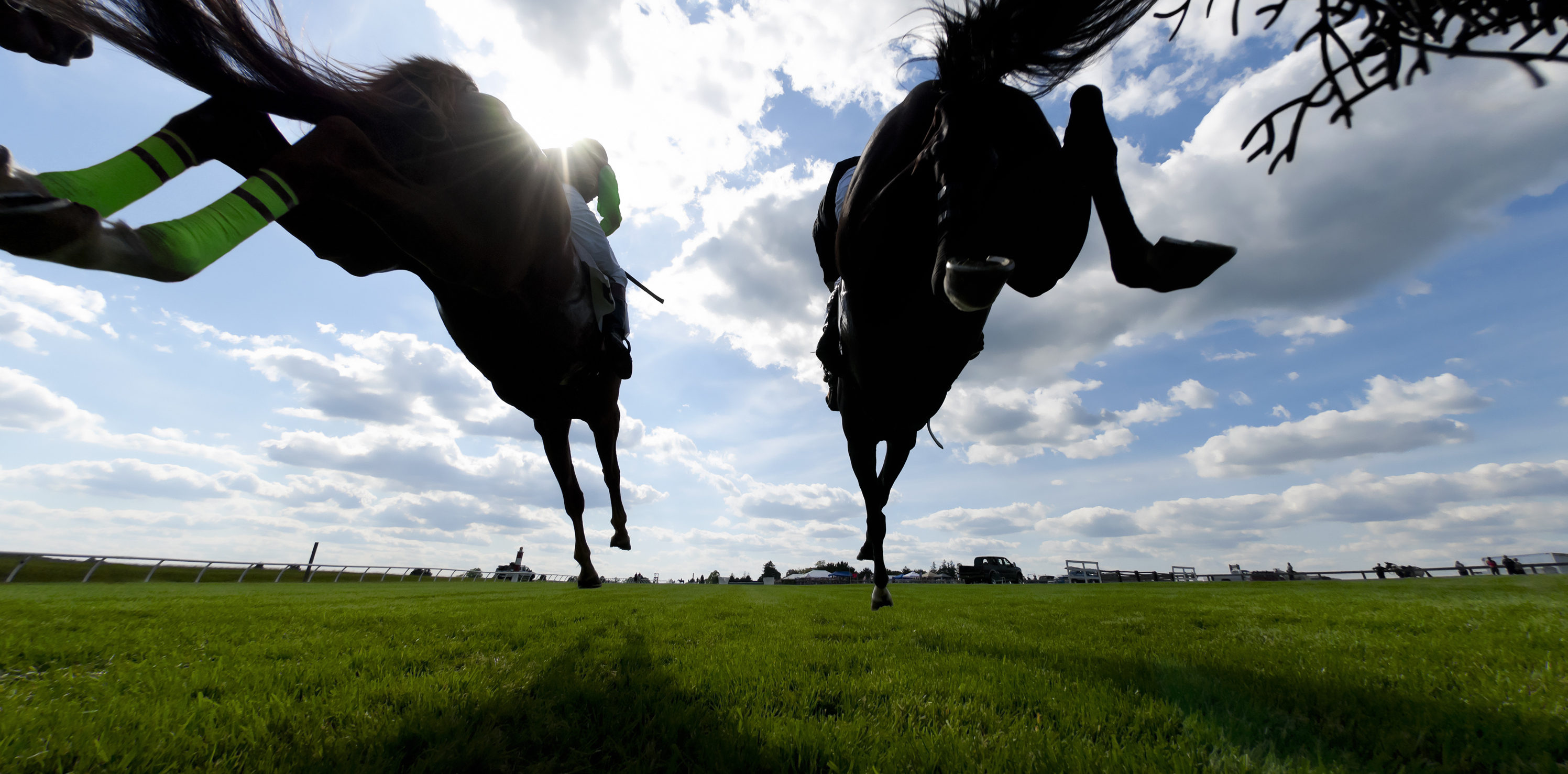
For me, the Cheltenham Festival is the best week of the year. The chance to see the best jumps horses in the world compete against each other, the atmosphere, meeting up with old friends, the Guinness and – crucially – the special offers from the bookies.
For a serious gambler there is no day in the year like the Tuesday of Cheltenham. It is the day when the marketing departments of all the big firms dream up new ways to line the pockets of their customers. It is also the day that finance directors around the industry must cower under their desks, hoping that the very best they can get away with is a small profits warning.
What is it that drives this collective insanity? Paying seven places on a 13 runner Supreme Novices’ Hurdle? Why not? A refund on all losing bets up to £50 on the first race of the day? Perfectly logical. Best price on every horse in every race? Okay, that’s just silly, but William Hill did it last year (and by goodness, they paid the price).
I do understand that Cheltenham is the perfect opportunity to acquire high quality new customers. It would surprise me if most of the top firms didn’t have a pretty strong economic case, where they properly track the cost of acquisition and lifetime value of customers who sign up during and find that the number is positive. But surely you want to lure in new punters rather than fill the pockets of your existing clients?
And the fact is that it is harder than ever for bookmakers to win at Cheltenham. If you look at the results from the past five years, there has been little respite for the oddsmakers.
Lack of common sense
We all know that the majority of firms took a proper kicking last year thanks to the punter-friendly short-priced winners, but it is easy to forget quite how catastrophic it would have been for the bookies had Annie Power not fallen at the last flight in the Mares’ Hurdle. I’ve talked to enough chief executives and heads of trading about that race who shake their heads and say something along the lines of “I wouldn’t be in this job if Annie had won” to know how much of a swing that result was (far, far worse than was ever publicly stated).
The fierce competition isn’t great for the horseracing industry too. With the Levy paid on gross profits and the soon to be introduced Racing Right calculated on the same basis, the more bookies lose on the Festival, the less the industry gets to fund prize money, integrity services and equine welfare. The hope is that the bettors who end the week with bulging pockets of excess cash spend those winnings in the following weeks betting on races at Plumpton and Sedgefield, rather than lose it in online casinos or betting on Chelsea and Manchester City.
The only good thing about all the remarkable generosity of the bookies is that there could never be any claims of industry-wide collusion or cartels, given how much each firm is trying to cut their rivals’ throats.
So will Cheltenham 2017 see the trading departments win over the marketing teams? Somehow I doubt it. Bookies seem to have worked out that giving pro punters a week long crack at their specials before the Festival isn’t that clever an idea but by Monday lunchtime I expect to see the same old abandonment of bookmaking common sense. For bettors there has never been a better time to wager on the horses.
Now all I have to do is find a bookie who will actually lay me a wager…

Joe Saumarez Smith is chairman of Bede Gaming and non-executive director at the British Horesracing Authority. He has attended every single day of the Cheltenham Festival for past 27 years