
Who next to head up Ladbrokes?
Ladbrokes chief executive Chris Bell left the top job this month after nearly two decades with the British bookmaker. EGRmagazine.com weighs up why - and just who might succeed him...
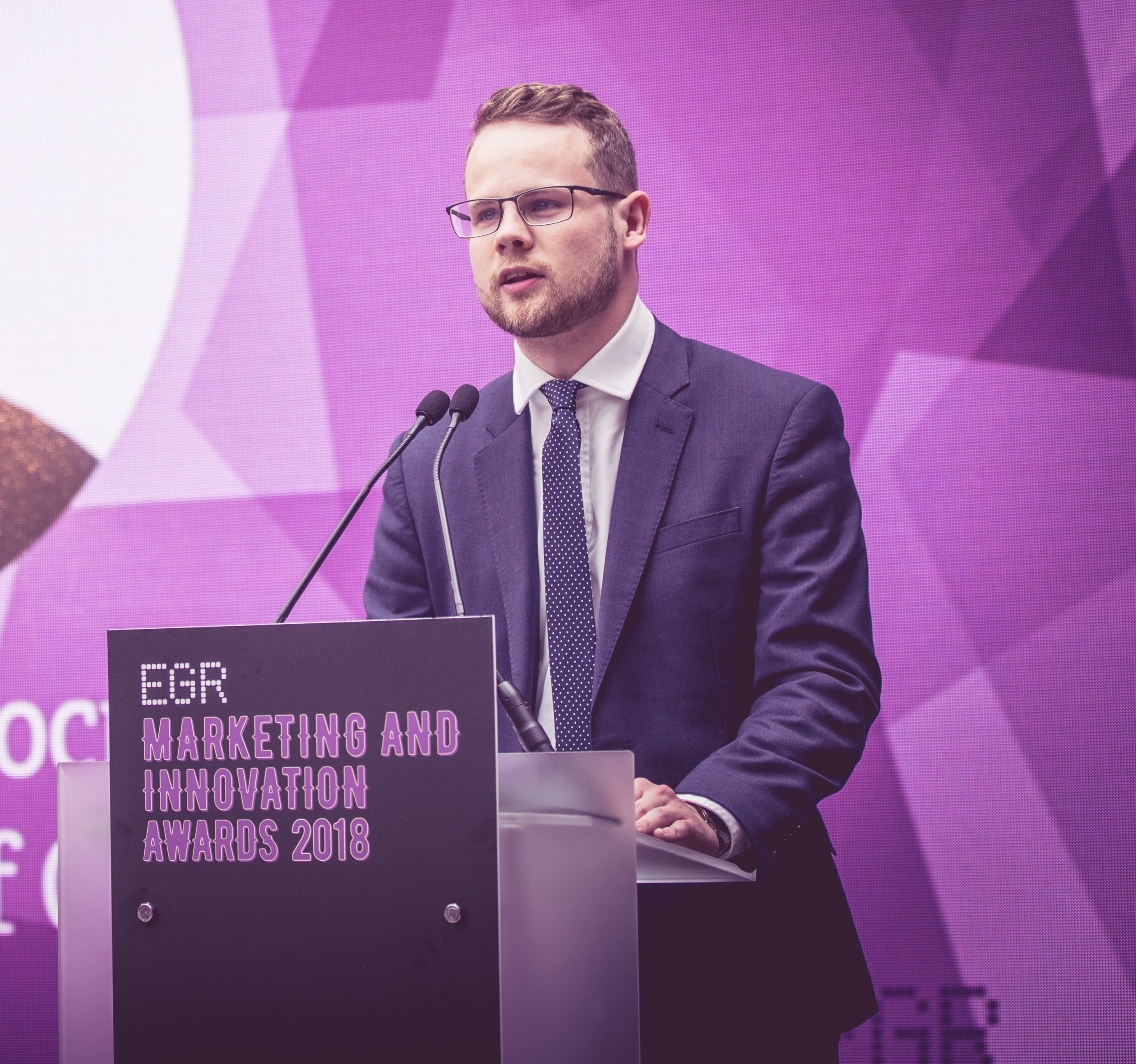
THE BIGGEST people news this month is that Ladbrokes is seeking a new chief executive, incumbent Chris Bell having decided to step down this year after almost two decades with the bookmaker.
Bell, who joined Ladbrokes in 1991, will leave in the summer after what chairman Peter Erskine described as “an invaluable contribution to the growth and development of Ladbrokes.”
A statement continued: “It has been agreed between the board and Chris that this is an appropriate time to seek new leadership for the business. The Board is currently engaged in the search for a new chief executive to fully capitalise on Ladbrokes’ brand strength and position the company for a new era of profitable growth.”
Why the change?
Bell joined Ladbrokes from drinks giant Allied Domecq in 1991, becoming its managing director in 1995, and then chief executive in February 2006 when Ladbrokes was split from the Hilton International hotel group.
However, the biggest pressure he will have faced internally in his four-year tenure as chief executive looks likely to have come from Erskine, the former chief executive of telecoms group O2, who joined the bookmaker’s board on 1 January 2009 before succeeding Sir Ian Robinson as chairman in May.
Erskine, who was recruited through headhunters, is by his own admission not a betting man, telling The Times at the time of his appointment that “gambling isn’t my forte”, but that despite his lack of gaming experience he felt able to contribute, particularly to the development of Ladbrokes’ egaming business and to its international expansion.
These are both areas in which Ladbrokes under Bell arguably failed to make enough progress. Indeed, as the brokerage Daniel Stewart put it in a briefing note the day Bell’s leaving was announced: “Our key issue with the management has been a lack of international growth in its online division.”
That was Erskine’s issue too, it seems. One source close to Ladbrokes management that EGRMagazine.com spoke to that week also described Erskine as being “obsessed with the numbers” compared to his predecessor.
This meant Bell was unlikely to emerge unscathed by a difficult 2009 that included a heavily discounted rights issue in October in which more than three million shares were issued at almost half price to reduce the bookmaker’s massive £962m net debt, leading to a wave of short-selling in which six hedge funds took a combined 9% position in the company.
The year also included a tough third quarter due to football results, with the first 66 Premier League matches seeing just four draws, compared with a five-year season average of 25%, and poker net revenue down 21%. The dips were countered only by growth in net revenue from casino and bingo of 5% and 3% respectively, balancing out at operating profit down a whopping 58% to £22.4m, from £52.8m at the same point a year previously.
And with the company’s core UK horseracing offering taking a beating due to the abandonment of some 50% of racing fixtures during the cold snap of December 2009 and January 2010, the next quarter was unlikely to have looked much better.
Before Erskine joined, Bell was also at the helm when Ladbrokes made its heavy investments in Italy and Spain via deals with Pianeta Scommesse and Cirsa Slot respectively, which since both turned sour, while another source, a chief executive at a rival operator, criticised Ladbrokes’ “bad spending decisions”, such as its decision to build its online platform in-house, “which took a lot of time and money.”
But all that is history. The big question now, of course, is over who will replace Bell. Erskine has already stated his keenness on online growth, so egaming experience will be an advantage. And James Hollins, leisure analyst at Daniel Stewart, expresses the view of many investors when he says he “would hope that the new CEO will bring both industry and retail experience”. And in a difficult economic climate, with both investors and lenders cautious, stakeholders are likely to find reassurance in certainty of a tried-and-tested in-houser over an external candidate. All qualities possessed by remote gaming head John O’Reilly”¦