
Ukrainian sports betting licences could cost £18m
Ukrainian parliament looks set to adopt ninth version of online gambling law sparking significant increase in operator licence fees

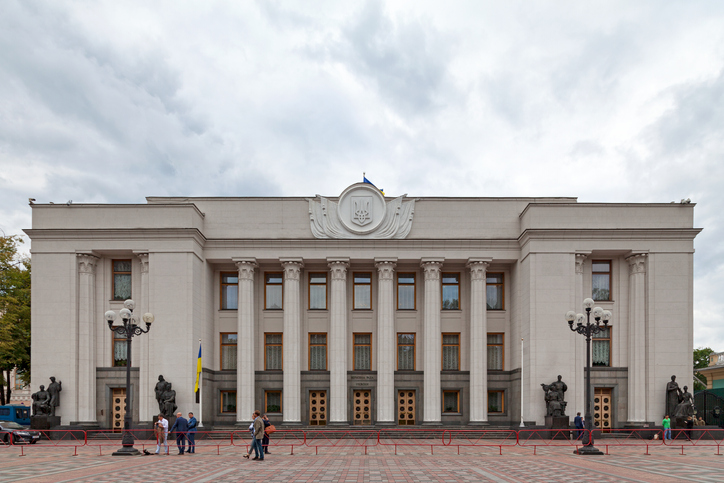
Online gambling and sports betting operators will be required to pay significantly increased licence fees to enter the Ukrainian market if a new law is passed by the Ukrainian government.
Under a ninth draft of Ukraine’s bill on gambling, sports betting operators will now pay €21.6m (£18.3m) for a five-year licence and online casino operators will pay €11.25m (£9m). Online poker operators will pay €450,000 (£382,000) for a five-year licence to operate in Ukraine.
The draft is still under debate but the proposed fees are a significant increase on those quoted in prior bills, where online betting licence fees were originally set at €4.5m (£3.8m) for sports betting and €240,000 (£205,342) for online casino. Online poker licence fees were initially set at €225,000 for a five-year licence.
Under the new bill, online and land-based sports betting will be combined into one licence, with online gambling and poker to each have separate licence types.
This replaces a so-called “monster” licence for land-based and online sports betting as well as online casino, constituted under prior drafts. A previous system where licences would have been auctioned off by Ukrainian authorities has also been scrapped.
The legal age for gambling could also be set at 18, reduced from 21, under previous drafts of the law.
In addition to the increased licence fees and age requirements, the bill also sets out the first obligations of the yet-to-be-formed gambling regulator.
EGR understands the Ukrainian parliament decided to draft a new definitive version of the proposed law because of the validity of certain issues raised in previous drafts. To avoid individual laws being debated and delaying passage of legislation, Ukrainian officials have agreed to incorporate parts of each law into this ninth version.
Sources close to the government have confirmed this latest draft has already been registered in the Verkhovna Rada, where it is expected to be adopted on its first reading.
Ilya Machavariani, associate at European law firm Dentons, said the presence of a new draft law combining all other drafts was a “promising” step in the journey towards regulation.
However, Machavariani sounded a note of caution claiming the process and possible outcomes were still unclear, and this latest draft “may still be significantly changed further”.