
Paddy Power Betfair online revenues up 15% thanks to gaming spike
Sportsbook and gaming revenues both up double digits although exchange revenues climb just 1%

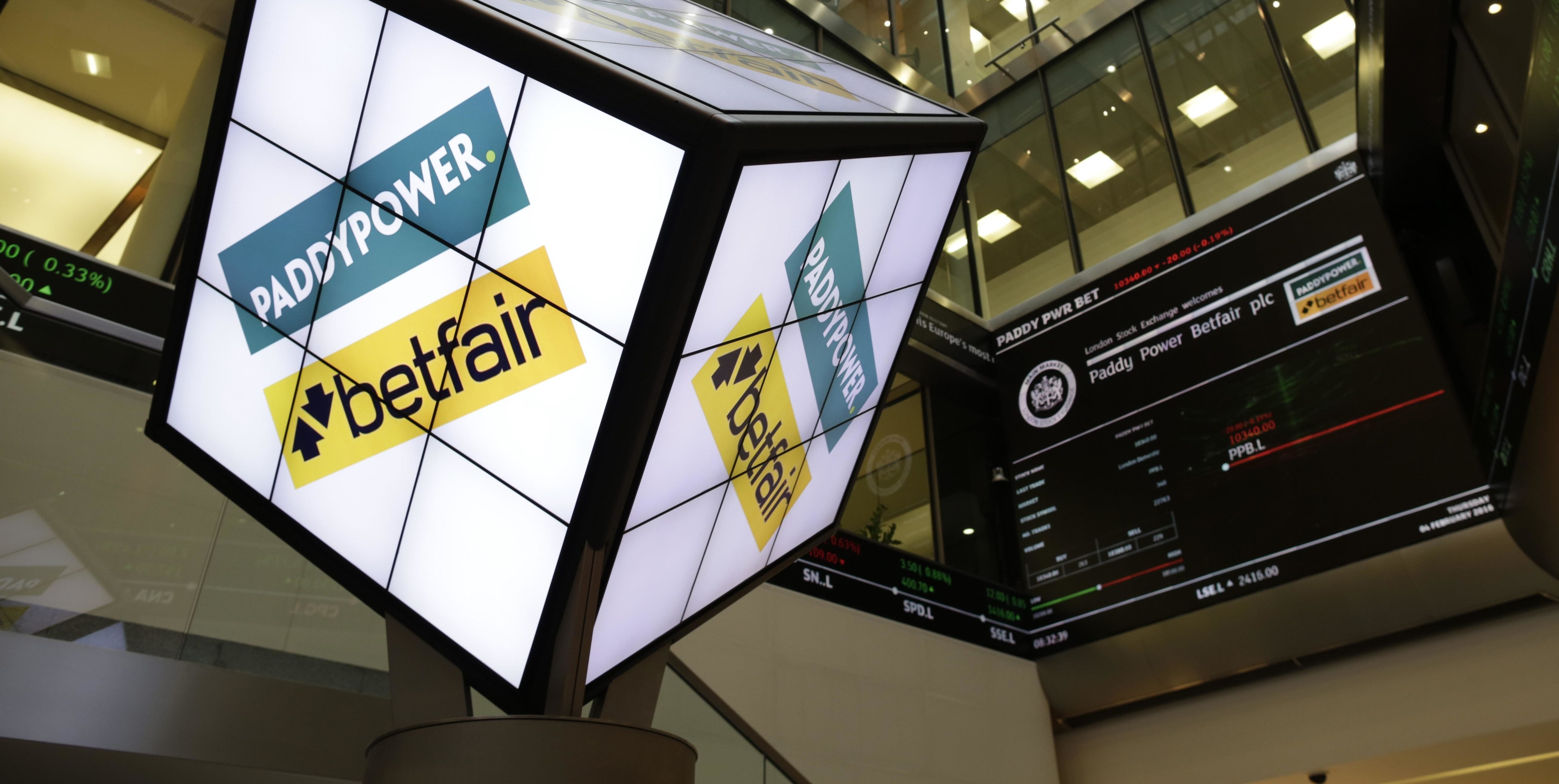
Paddy Power Betfair (PPB) has reported a 15% rise in Q3 online revenues to £248m, buoyed by a 26% rise in gaming revenues during the period.
Online sportsbook revenues also climbed 17% to £173m, compared to the £75m in online gaming revenues.
Exchange revenues climbed 1% year-on-year, which the group described as in-line with expectations and as “reflecting good ongoing growth in football commissions and an improved performance in racing”.
“Q3 was a good quarter for the Group,” said CEO Peter Jackson. “In Europe, the encouraging momentum that we saw in Q2 accelerated further, with online revenue up 15%.
“This momentum, which was evident in both Paddy Power and Betfair, is driven by enhancements in product and good execution in promotions and marketing.”
PPB’s share price was up around 1.7% in early trading, with some analysts pointing out the revenue increases came against a soft Q3 2017 comparison, with sportsbook revenues benefiting from a World Cup and improved margin, with stakes up ‘just’ 4%.
PPB said sportsbook improvement and promotional products such as free-to-play game ‘Beat the Drop’ had helped acquire recreational customers at lower costs, while PP recently launched a price boost product.
Gaming growth was driven by better cross-sell thank to an expanded gaming product within the sports apps.
Australian revenues declined 2% in Q3 due to adverse sports results in August, although customer staking showed good underlying momentum up 25% year-on-year.
US revenue was up 22%, or +14% when not including $5m of sports betting revenues.
“In Australia, we continue to see very good scope to enhance Sportsbet’s leading customer proposition and target additional market share gains,” Jackson said.
“Overall, we are pleased with the substantial progress we continue to make against our strategic priorities. Our continued investment in brands and customer proposition means that all our businesses will exit the year with enhanced competitive positioning. Together with our scale and strong balance sheet this means we are better positioned to face the significant regulatory and fiscal headwinds that apply next year and to capitalise on the long-term industry growth opportunity.”
The firm also highlighted the impact of recent regulatory changes in Australia, the UK and Ireland, saying they would have cost approximately £115m as they applied in 2018.
“Had they applied throughout 2018, we estimate that the gross impact on EBITDA from the combination of regulatory, tax & product fee changes in the UK, Australia and Ireland would have been approximately £115m.”
Underlying EBITDA was flat in constant currency at £101m.