
Jonathan Flint,chief executive,Flint Hyde Executive Search,CEO
The gaming industry has become used to stellar growth, however returns are now harder to come by and CEOs are under more pressure to deliver than ever before, says Flint Hyde's Jonathan Flint.
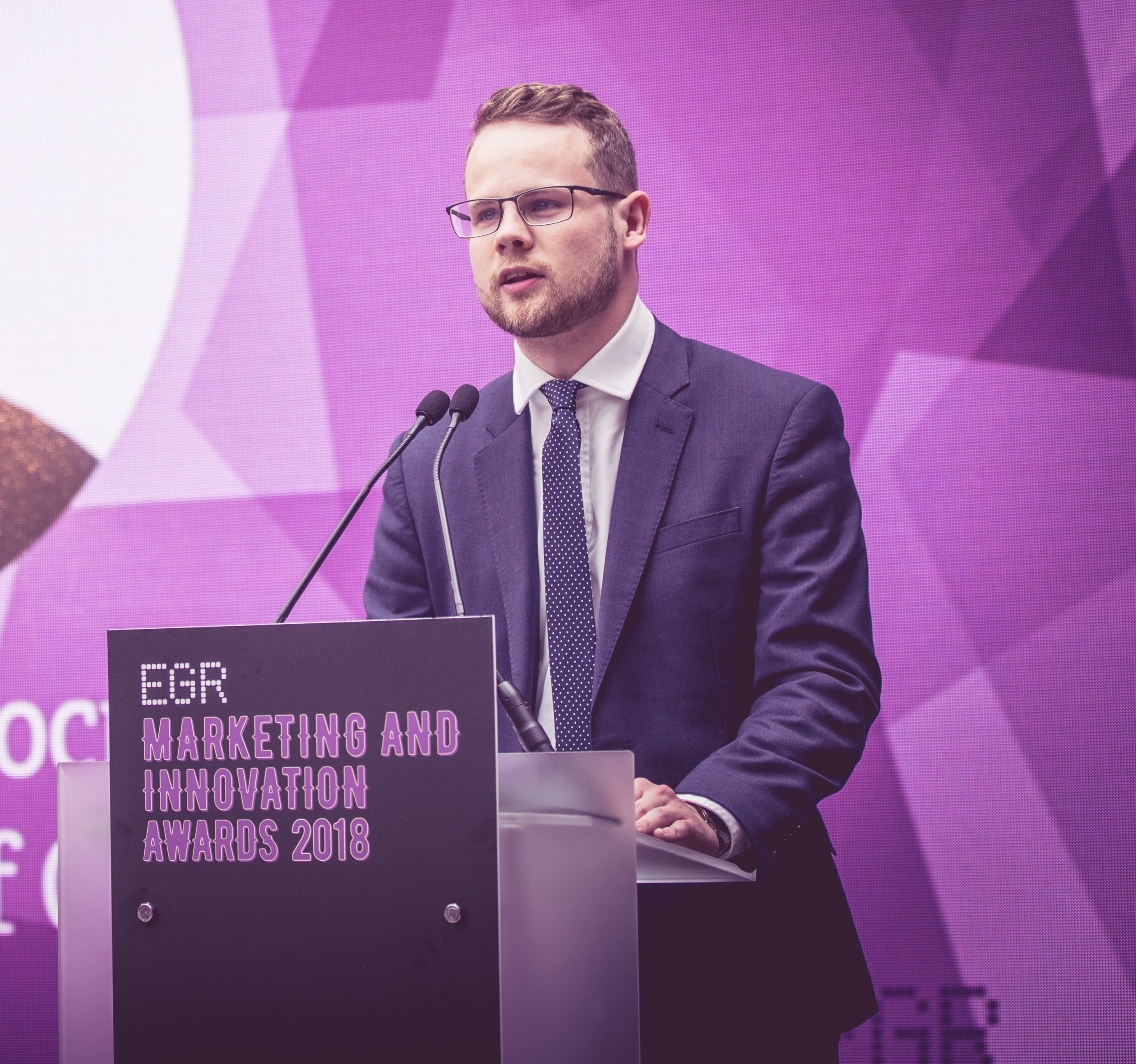
Egaming leaders are under more pressure than ever before to deliver sparkling results in an increasingly competitive marketplace where IPOs and private equity is now commonplace. Shareholder expectations of profits and market dominance have led to many egaming executives being replaced on an all too regular basis, however, if you run a private business you may well enjoy being shielded from many of these pressures answerable only to your own board as well as corporate goals and aspirations.
Since the inception of online gaming more than 10 years ago, egaming has become a global multi-billion pound sector employing thousands of talented people all over the world. In the early years industry leaders oversaw huge periods of growth driven by entrepreneurialism, innovation and an insatiable customer appetite for a new phenomenon. Shareholders and owners were, in turn, rewarded handsomely and until UIGEA in 2006, this growth was exponential.
In the boom years, gaming companies were small entrepreneurial start-ups living the dot.com dream, today they are large corporate entities and in many cases PLCs with investors, shareholders and City analysts to answer to. Ultimately, CEOs and MDs have always been under pressure from shareholders to deliver returns but, many of today’s egaming chief executives and managing directors face very different market conditions and a proposition like none before; more in the spotlight, more answerable, more under pressure and more visible to everyone.
There is also a sense that over the last few years a “perfect storm” has led to several high profile CEOs coming under more pressure to deliver returns which are harder to come by and in an industry which had become used to stellar growth.
Like any other maturing industry, steep growth curves are harder to attain and this has coincided with factors such as UIGEA, global recession, market saturation, floatations and the consolidation of some of the largest and most successful companies. Couple this with the need for constant investment in new technologies, competitors with deep marketing pockets and the chase for new markets, today’s egaming CEO has more on his plate than ever before. Some have risen to the challenge, some have not, while the jury is still out on others.
With the recent evolutionary change from privately owned entrepreneurial businesses to corporate PLCs, this has led to a shortage of the next generation of would be gaming CEOs with the requisite “corporate” skill-set to manage the pressures today’s market presents. To address this, some have chosen to appoint skilled business leaders from outside of the sector, however, in these cases the new CEO is immediately under more pressure as they have no sector knowledge and there is the constant question of whether they understand the market – one that is like no other out there. Other operators, meanwhile, have stuck with the small pool of tried and tested industry executives.
Interestingly, there are very few examples recently of newly appointed CEOs and MDs who have been promoted internally to the role. Almost always, there is an external search for candidates in competing organisations and the internal applicant is overlooked. Ergo, that must mean that each operator feels they don’t have the talent internally for the very top jobs, although their competitors think they do.
There are several prominent positions on offer at the very top of the gaming market at the moment so it will be fascinating to see which candidates are chosen and whether or not they can cope with the mounting pressures this industry presents to executives.