
Exclusive interview with William Hill CEO James Henderson
Henderson talks omni-channel, international diversification and why he's confident the operator can compete in the wake of potential industry mega-mergers
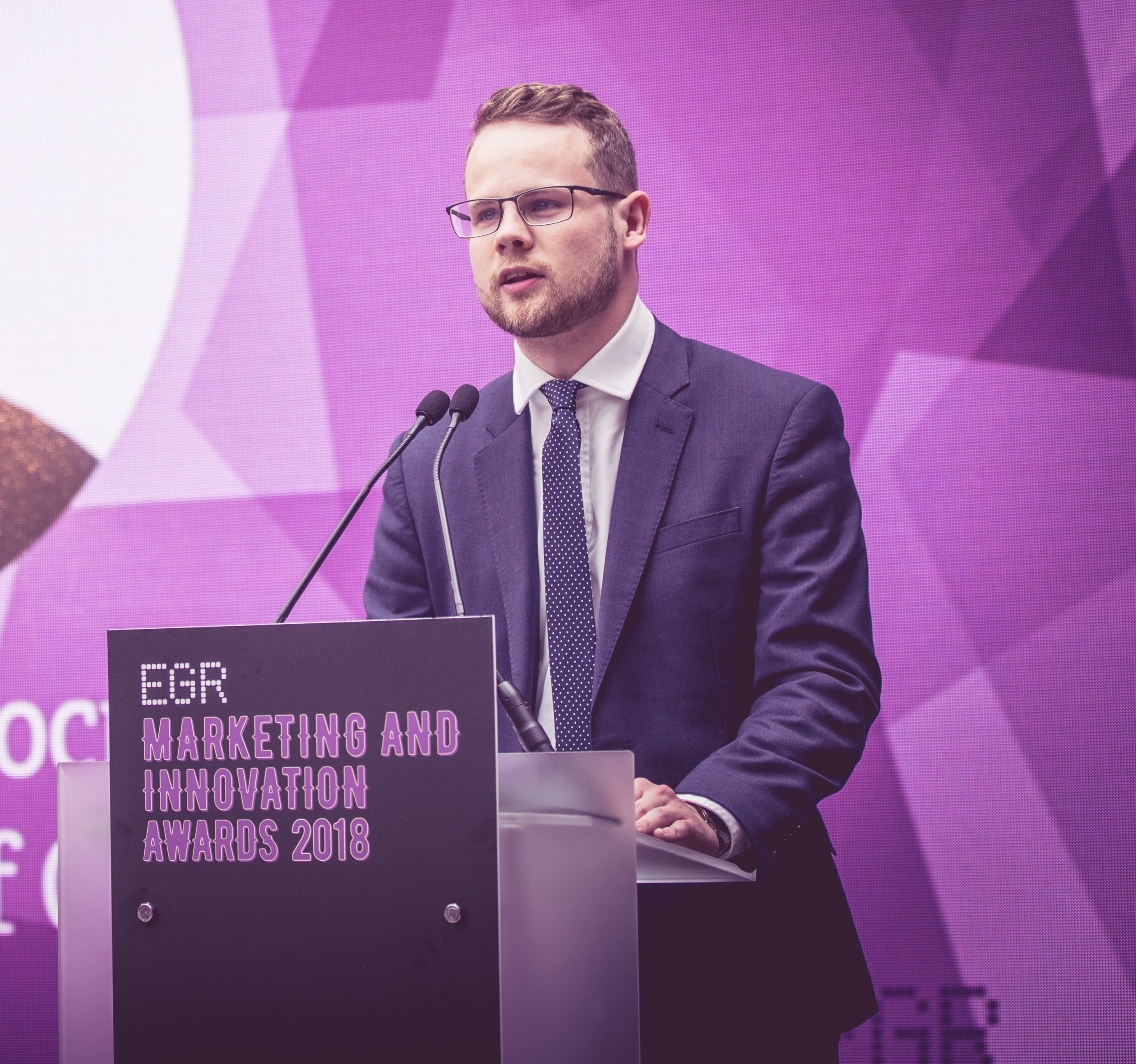
The industry landscape has changed significantly since James Henderson took over the reins as William Hill’s CEO last July. M&A activity has been fierce with proposed mergers threatening to disrupt the balance of power while the long awaited impact of the UK’s Point of Consumption Tax (PoC) has also finally begun to hit home.
Last week William Hill reported a 12% year-on-year fall in group operating profit, a situation largely down to an increase in gambling duties from PoC for the online business and Machine Games Duty for its land-based estate. And it’s a situation Henderson is clearly not overjoyed with.
“No one wants to post a profit after one year of minus 12%,” he admitted to eGaming Review on Friday. But his confidence in William Hill’s current approach appears not to have waned. He claims the underlying business had actually performed strongly over the six-month period and that an effective plan is in place to drive future growth.
The three pillars of Henderson’s long-term vision for the company are international, omni-channel and technology. And with its recent expansion into the US online lottery sector, the launch of new self-service betting terminals (SSBTs) and the ongoing roll-out of Project Trafalgar, it appears William Hill is well on its way to meeting its objectives. eGR caught up with Henderson to find out more.
eGaming Review: You’ve been CEO of William Hill for one year now. How would you sum up the operator’s progress during this time?
James Henderson (JH): It’s certainly been an interesting time as the headline numbers and all the things we’ve seen today suggest. However there is lots of good stuff underlying all that which you can see with regards to the UK. The strategy is very clear and we’re very comfortable that we’ve chosen the right strategy for mitigating any further or current tax increases while making sure we can diversify internationally, which we’ve done with the very exciting NeoGames announcement.
In technology we’ve got the front-end working with regards to Trafalgar and the bonus engine we’ve built for our Vegas platform, and we’re also still focusing on working out what to do with modernising and making our back-end more flexible. For omni-channel we’re number one in online and retail and therefore leveraging both of those channels so we’ve done a lot of work around the SSBTs which I’m very excited about. There’s lots of good stuff going on. It’s a really interesting sector – it always has been – and I’m obviously delighted to be part of William Hill.
eGR: In your presentation you said you hoped to increase international revenues by 50% over the next four years. How do you plan to achieve this?
JH: It’s organic so it’s all coming from existing territories. Australia is a great market for us. We’ve done some heavy lifting there over the last 18 months but it’s a very strong market for us and we’re a top three player. It’s a good home market, we’re making great progress and we’ve made lots of changes and I’m very comfortable that we’re going in the right direction, although some of the operational efficiencies will take time to come through.
Italy is going to be in profit by the end of the year. Spain is lagging slightly behind but that’s more about the sports margin, while America continues to go from strength-to-strength. I want to focus on the core markets, or the internationally locally licensed markets, and that’s the strategy of our international diversification which I think is important.
eGR: And you’re still confident that launching under the William Hill banner in Australia is the correct strategy despite the other brands being much stronger?
JH: I’ve been very happy with the launch and the punter awareness stats have grown much better than we expected, new accounts are up 17% and the actives are up 16%. So it’s gone very well but what has happened is it has impacted our legacy brands and that’s why we’re bringing the Tom Waterhouse transition to later this year to get that under the William Hill umbrella and we’ll do the same with Centrebet in the early part of next year.
eGR: Omni-channel is the industry buzzword at the minute. Why are you so confident that your SSBTs put you in a strong position over the rest of the market?
JH: We’ve been limited to 750 in our estate because of the rev-share we’ve been having up until this point in time. This allows us to have a machine that we’ve designed, on a platform that will enable us to convert at a later date to a tablet or mobile and it allows us not only to get the breadth and depth of products from online but also to get some of the other elements like Cash in My Bet and Tip Advisor which have proven really popular online. So it really is about bringing online into retail and being able to allow our customers to experience that. Approximately 54% of our online customers use retail as well so there will be a great deal of familiarity. I feel it’s a step-change for us and allows us to take things to the next level with SSBTs. It’s something that no one else on the high street is doing.
eGR: Do you have a target for the percentage of customers you want playing both online and in the shops?
JH: To give you an idea as to the crossover between the two and how you can gauge if your omni-channel strategy is successful, of our regular customers that do actually use an online account we capture 45% of those which equates to around 12% of our regular retail base. So that’s essentially the baseline that we’ll be looking to demonstrate how successful our omni-channel strategy will be. We’ve done a lot of work and there’s been a number of initiatives from a tactical perspective but I think the SSBT takes it to a different level.
eGR: Do you have plans to launch a similar omni-channel solution as Coral’s Connect Card?
JH: First of all, our Priority Access card is an industry-leading product in that you’re able to carry round your online wallet and use it in any way you deem fit. So you don’t need to take money out and put it in your account. With regards to using it in retail, that is imminent and I’m very confident that will give us an advantage over some of our competitors. That will happen within the next two months.
eGR: What are the long-term plans with Project Trafalgar as you begin to roll it out across more markets?
JH: It’s taken a good two-and-a-half years and I think that demonstrates not that we’ve been slow, but the complexity of what we have done and the step-change it will give to us. In essence it would suggest it will be hard to replicate. It’s going to be a much quicker site and already the independent testing has demonstrated it loads 50% quicker than our current site which is great. The website will also look and feel very different from a customer’s perspective, it’s fully responsive and fully tagged so if there’s a customer journey which isn’t working we can change that live and free up that backlog. Currently we’re constrained to about 10 deliveries a year. At the same time we’re doing the Vegas platform as well by introducing a bonus engine which will give us the opportunity to compete on a level playing field with the acquisition tools that others use. The combination of those two are really growth drivers for our online business.
eGR: Will we see William Hill moving more of its technology in-house and reduce its reliance on third-party suppliers?
JH: We’ll continue to work them but make it more efficient and smarter. If you take the SSBT as an example, it wasn’t about working on our own but working with a different supplier. So it’s about using the right supplier to be able to create a competitive advantage. If you look at the back-end platform we’ve used the best of what’s out there to give us differentiation and an exclusive proposition.
eGR: How do you think current M&A activity is impacting the market and will current talks prompt you to revisit your M&A plans?
JH: I’m very confident with the strategy we’ve laid out. My sole objective is making sure we continue to grow our product range, make ourselves more competitive and maintain our position as number one in retail and online, and make it more difficult whatever the competitive space looks like whether it’s combined entities or incumbents. We’ll make it harder for others to compete against us.