
eGaming's reputation: betting's rebuttals
Perceptions that there's 'something of the night' about the gambling industry resurfaced in a recent survey. Owner of Crown Bingo, Joe Saumarez Smith, thinks he may have a solution.
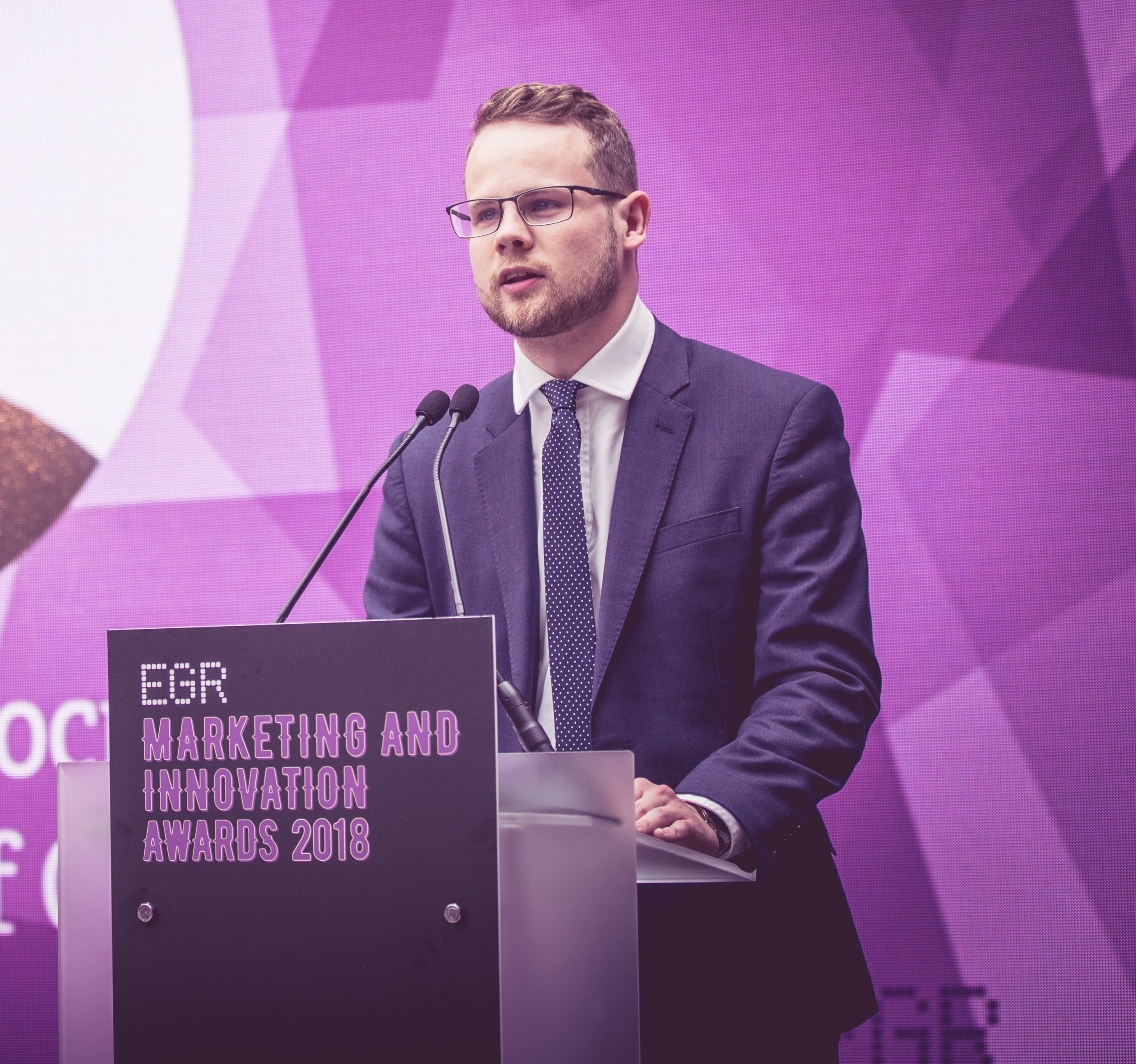
THE GAMBLING INDUSTRY has an image problem.
While we like to see ourselves as responsible business people providing another leisure product, the general public and media see us in a rather less flattering light.
Take the UK Gambling Commission’s survey on public perceptions of the gambling industry, published in January this year. Of 4,000 adults surveyed, 41% agreed that gambling in the UK is associated with criminal activity. Just 30% of non-gamblers think gambling in the UK is conducted fairly.
Thefts by gambling addicts, money laundering, violent crime and serious/organised crime were the most often cited instances of criminal activity related to gambling. I would guess that a similar survey in the rest of Europe would find roughly the same figures.
Some in the industry might not think this is a problem. I can think of several online gambling companies whose advertising plays on the edginess of gambling, trading on the image of glamorous young women watching men risk thousands on the turn of a card in a smoke-filled room late at night.
There is no doubt that for many gamblers the idea that they are somehow being rebellious is part of the appeal of our product. But when the industry has a public perception that is so out of touch with reality, it is something we should be worried about.
Obviously the main reason so many European politicians are fighting to keep foreign competitors out of their gambling markets is to protect their national monopolies but for many of them there is a strong perception that by opening their markets to outside competition they would be inviting in criminal elements.
As an industry we have done a terrible job of showing the public that we run honest, clean businesses that treat customers fairly, pay taxes on our profits, are open to inspection and contribute to the addiction charities.
It would be wrong to claim that gambling is completely clean; like any industry, there are rogue operators, although generally not in regulated territories.
Matches do get fixed, although it seems obvious to me that the main victims of match fixing are the bookmakers who have to pay out winning bets on the crooked results. But the number of events under suspicion of being fixed is miniscule; the ATP said they were looking at 45 matches over a five-year period when they looked into tennis-match fixing, a tiny percentage of the tens of thousands of tennis matches bet on each year.
As an industry we need to try and improve our image and alter the public perception that we are in some way shady. This cannot be an overnight process. It will take many years, possibly decades, to shift the public view away from its current position.
My suggestion is that all the regulators in the major gambling jurisdictions should come together and set up a rebuttal unit, rather as Tony Blair did when he first became prime minister in 1997. When ‘bad stories’ about gambling come out, the unit goes after the publication and journalist seeking a correction and challenging the prevalent negative view about gambling.
The unit would also be available to journalists worldwide looking for an industry view about gambling. Its remit would not be to promote individual companies’ agendas, but to improve the overall image of gambling. It would be paid for by a small levy on each company’s profits, paid as part of their annual fee to their regulator.
Of course there are holes in my idea. Regulators are basically in competition with each other for clients and no one is desperate to fund a new body whose results are going to be measured in small, almost imperceptible shifts in opinion. And the gambling industry is not known for adopting a unified position on anything.
But if we accept that the image of gambling needs to change, the industry needs to think up a way to address it now if we are to reap the benefits a decade from now.