
Vote of confidence: Why political betting is no longer a neglected niche for operators
Once dismissed as a side offering exploited by bookmakers for brand exposure around elections, political betting has become a serious product in its own right as well as a window into public opinion. But how much bigger can this ‘niche’ get?

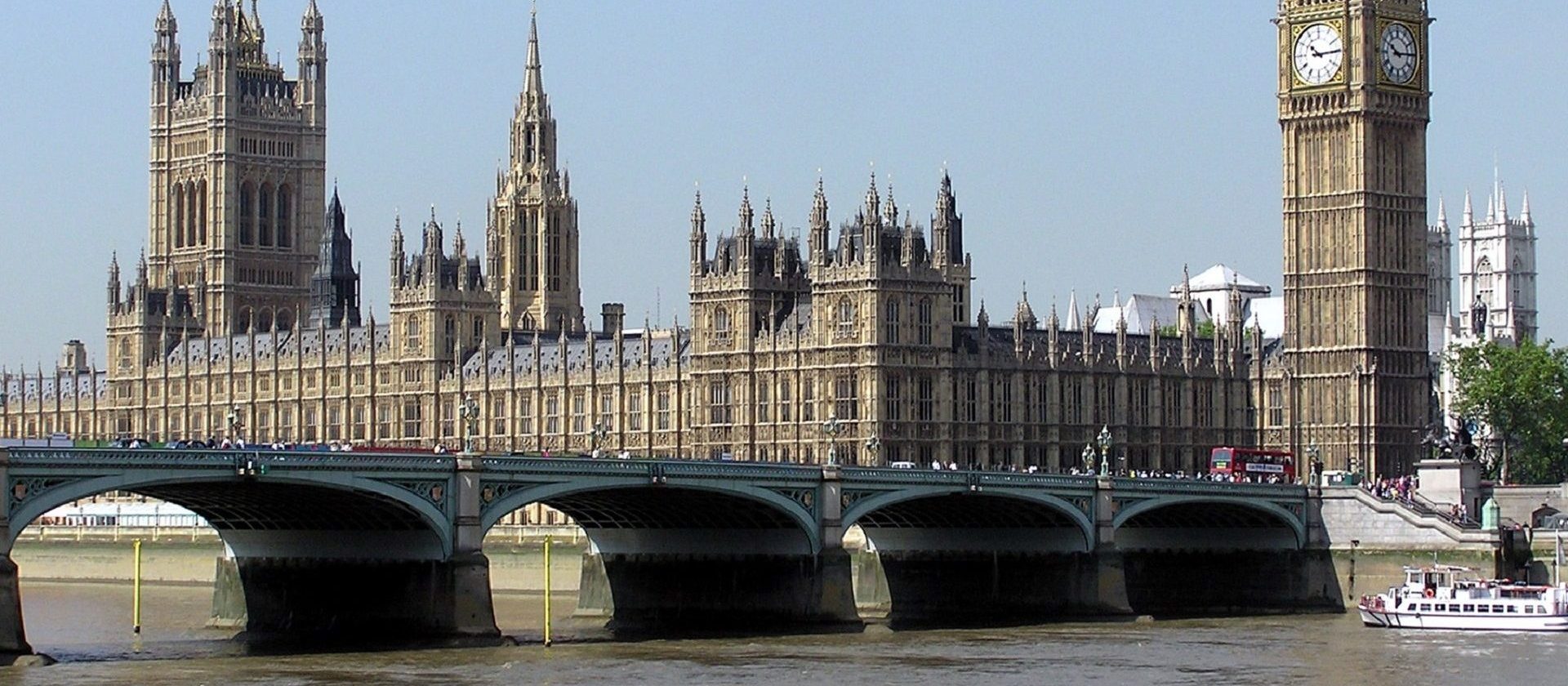
When scandal-plagued Boris Johnson was forced to resign as the UK’s Prime Minister on 7 July, it triggered an election contest within the Conservative Party to determine its next leader and therefore the new occupant of No 10. Bookmakers and betting exchanges were rubbing their hands with glee at the prospect of numerous rounds of voting among Tory MPs to whittle the candidates down to a final two (Liz Truss and Rishi Sunak) before Johnson’s replacement is announced on 5 September. The protracted process, coupled with high volatility in the odds, has been a boon for the industry. For instance, Truss has around a 95% chance of winning at the time of writing, yet she was an outsider at 8% when the race began. Smarkets’ head of political markets, Matthew Shaddick, says: “If you wanted to design a market for betting purposes, you couldn’t come up with anything better […] the Tory Party did the betting industry a favour by setting up their selection process the way they did.” A total of £2.5m has been traded on Smarkets for the next Tory leader, on top of the £900,000+ traded on the next Prime Minister market. It is shaping up to be the London-headquartered betting exchange’s second-largest UK political betting event in terms of volume traded. There was a time, though, when political betting was a niche or even a neglected opportunity among the industry, often lumped in with ‘novelty’ or ‘specials’ bets tabs on bookmakers’ sites and overseen by an odds compiler who specialised in sports. It was also usually a loss-leader to help with brand exposure such as a sound bite on TV or radio, or a few column-inches in a newspaper. Shaddick, who made a name for himself as head of politics at Ladbrokes from the late 2000s, says: “When I was first doing it at Ladbrokes it was seen as being a PR-led exercise – nobody expected to make any money from it.” Nowadays, most online bookmakers have a politics betting section on their website and app, although it is worth pointing out their odds will tend to follow movements on the exchanges. And it’s not just British politics; punters were able to recently bet on the presidential elections in Colombia and Kenya. The Brazilian elections to choose the country’s next leader taking place later this year are already pulling bettors’ attention, with previous leftist president Luiz Inacio Lula da Silva currently the 4/9 favourite to regain office. William Kedjanyi, a political analyst at retail, online and on-course bookmaker Star Sports, says seismic political events in the UK specifically have fuelled interest in betting on politics. “We’ve been through a period in the last decade where we’ve had three Prime Ministers – and there’s about to be a fourth – in a short period of time and the last two General Elections were close together. “People have more opportunities to bet on this stuff than they ever did before, plus people have been able to request markets. So, more opportunity is a big driver, as is the fact we are betting on more things, and more things are happening,” he adds.
A watershed moment
Arguably, the turning point for betting on political events rising to prominence and going mainstream was the 2014 Scottish independence referendum, which achieved a turnout of 84.6%, the highest for an election or referendum in the UK since 1910. The vote was a huge event on both sides of the border as people were given a choice of ‘yes’ or ‘no’ to the question: ‘Should Scotland be an independent country?’ Such was the interest in indyref, it led to bookmakers setting sky-high limits. In fact, a man from Surrey strolled into a William Hill shop in south-west London, presented a banker’s draft for £400,000 and bet the lot at odds of 1/4 on Scotland voting no. At the time, William Hill’s Graham Sharpe told The Guardian newspaper it was “the biggest political bet ever struck”. The punter later collected £100,000, plus his original stake. Two years later, there was the EU referendum in the UK, followed by Donald Trump’s successful bid to become the 45th President of the United States. “Trump and Brexit, especially, were topics people could have an opinion on,” says Shaddick. “There’s no need to be a political expert; these are clear binary choices with no complicated parliamentary math to worry about.”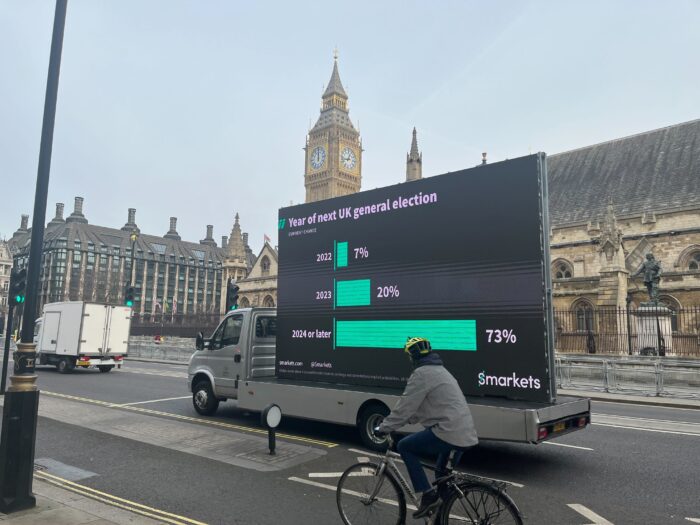
Smarkets odds being advertised in January 2022