
Q&A: Jesper Karrbrink on Caesars’ potential post-takeover roadmap for William Hill
As speculation builds over the future of Hills’ non-US assets, EGR chats to former Mr Green CEO Jesper Karrbrink about his former employer’s direction of travel

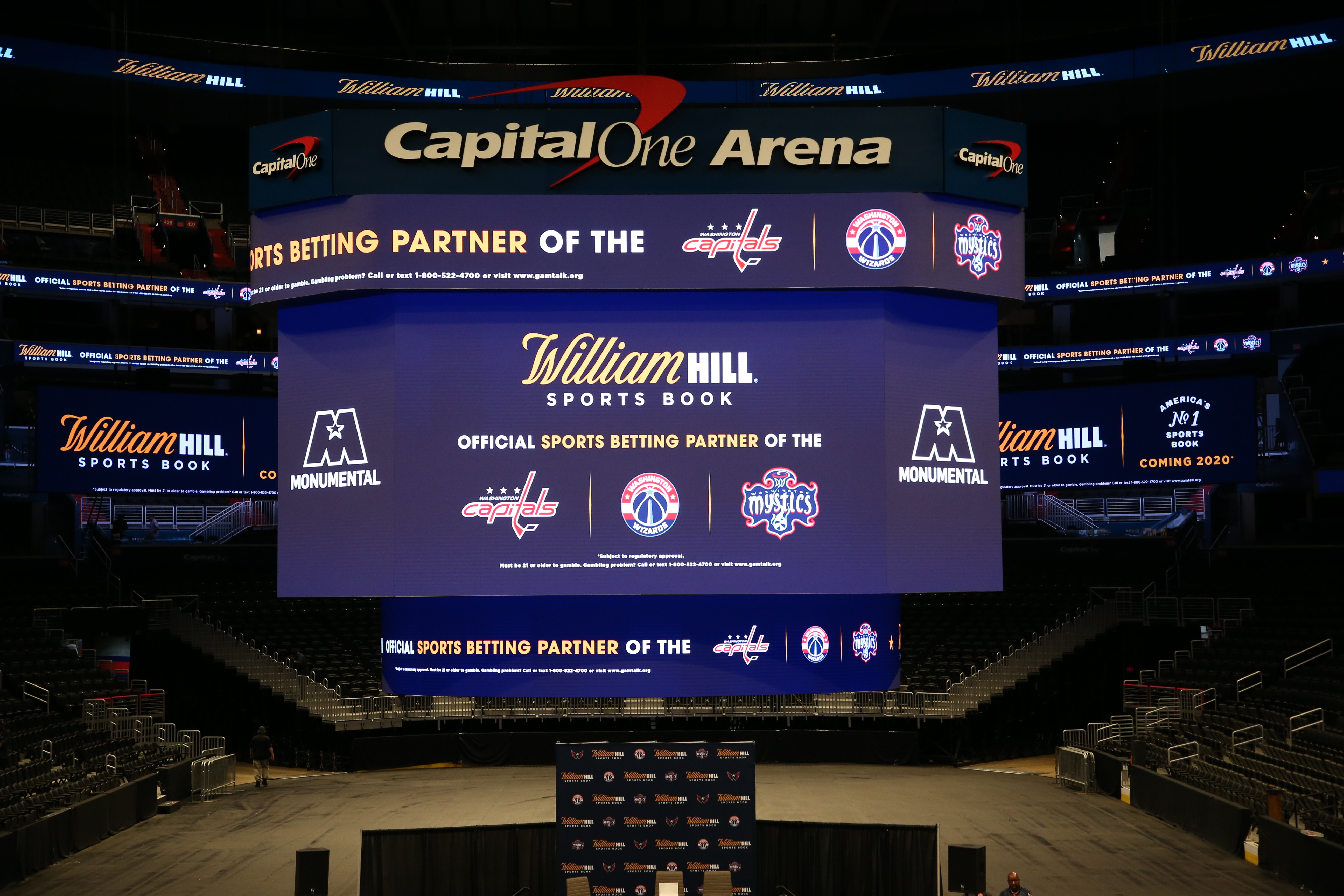
When US casino operator Caesars made its £2.9bn bid for William Hill in September, it ignited the biggest potential land grab in the industry since the Flutter/Stars merger. Detailing its intent to carve out the US-based business from Hills’ historic international assets, the headlines since have seen operator after operator linked with a potential bumper acquisition deal. Separating the firm bidders from the ‘well it’d be nice to have if we could afford it’ brigade will ultimately occupy the thoughts and column inches of journalists, analysts and industry stakeholders alike over the next few months.
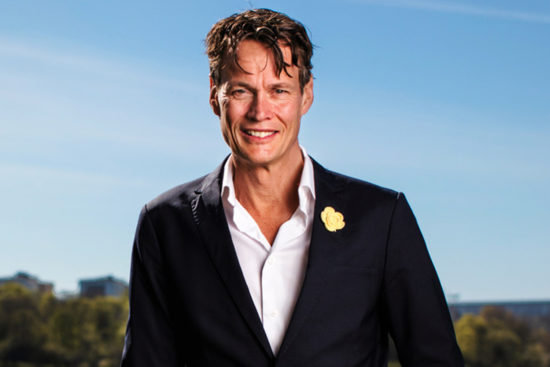
One man with experience of Hills’ international business and the current management structure is ex-Mr Green CEO Jesper Karrbrink, whose former business is now a key cog in the Hills’ international machine. Discussing the future of William Hill outside of the US, he shares his thoughts with EGR Intel.
 EGR Intel: What’s your opinion of Caesars’ plans for the William Hill International business?
Jesper Karrbrink (JK): I think it makes a lot of sense. We have seen a trend emerge, beginning in the pre-pandemic environment, during the pandemic and it’s set to continue after, that the big bricks-and-mortar gambling operators would eventually have to expand into the online segment. William Hill is a huge player both with Mr Green and William Hill International and it also has a strong emerging US offering, so it’s a natural fit and a good way for Caesars to grow its online operations faster than it would have done so normally, so it makes good sense.
EGR Intel: Is the carve up of Hills’ non-US assets an inevitability?
JK: Seeing the growth in the US market, the expansion of state after state opening to online gambling, I think a company like Caesars will have its hands full with the US market. It’s a huge market and it’s only going to expand and grow so if Caesars are carving out the international business, for me that’s a very clever move.
EGR Intel: Which operators have the resources and the infrastructure to take on the running of Hills’ international business?
JK: That’s a very interesting question and a very difficult one to answer. I assume there’s a lot of appraisers right now asking themselves that question: can we take this business on? William Hill is a large company which is very well organised in my opinion and Ulrik [Bengtsson] has run the business in a very professional manner, and Mr Green was very well managed before they bought it. I’d have to say the management of Hills is perhaps even better now, but of course, the size and scale of the business makes it a challenging one. For example, if you are an operator and you have a platform similar to one used by Hills or Mr Green, then you acquire a huge operating entity with its own platform, that represents a pretty big pill to swallow. That for me is what a lot of operators will be thinking right now because it’s a brilliant business with two super strong brands which are well organised, well operated and who are on a strong growth projection.
EGR Intel: Did you expect William Hill to consolidate sooner after it bought Mr Green?
JK: I think they’ve done a fantastic job in how they consolidated and at what pace they consolidated it. They successfully kept both brands and have been growing strongly. You can see that on tax numbers in Sweden. Mr Green remains a very strong brand in the Swedish market and has defended its position and I think they’ve utilised that acquisition in an almost perfect way. It’s difficult to get acquisitions to fly but I would say they’ve really succeeded. I’m impressed to tell you the truth, firstly in how they’ve managed to keep the two brands co-existing and how they took care of the staff in Malta. Of course, there have probably been some issues that I’ve not seen in looking from a distance, but in the three months I was there during the run up to the takeover it has been a very successful match.
EGR Intel: If the international business separates, would you like to see the existing management team remain in charge led by Ulrik?
JK: That’s not a question for me to answer. You must remember that Ulrik probably hasn’t completed his plans for the post-Mr Green acquisition yet. I would assume it would be very difficult to find someone more suited than Ulrik to continue running the business as he comes from one of the businesses. He bought all these businesses together and has done a fantastic job of getting them working together. However, he’s not there yet, it’s not complete. I would be surprised if the full plan for the business has been implemented and if they could find anyone better at implementing it than Ulrik, but ultimately that’s for the new owners to decide.
EGR Intel: In your opinion, what is the jewel in the crown of the William Hill International business?
JK: Obviously for me the jewel will always be the Mr Green business, in my opinion, but beyond that, I think Hills has a fantastic international foothold. It’s amazing how many markets they cover and in how many of those markets the brand is strong. It’s not only the revenue coming from the William Hill UK business, which is of course gigantic, but you also have the Mr Green business and the international businesses which operates in the European market. The strength of this is the reduced risk to revenue from the diversified brand model, so that if one operational jurisdiction goes sideways, the business might grow in another market, which represents a good position to be in.
EGR Intel: What should be the priority for any prospective owner of the international business?
JK: Priority one is to keep the management structure, I think that would be the immediate to short-term priority for the business because they’ve run the business very successfully in the period up to that point. Secondly, the priority is to monitor and successfully complete the transformation process between retail and online, and then thirdly would be to see how to develop this business. I mean it’s such a huge business so I would look at the main platform of course, internal game production, payment gateways, anything which can streamline the business even more so developing operational excellence would be the fourth and final priority for any new owners.
EGR Intel: Do you think we’ll see more private equity firms investing in gambling operators over the next few years?
JK: Most definitely. Gambling is maturing in the sense we will see consolidation between operators and there’s undoubtedly an opportunity for private equity to play a part in that consolidation. Also, since a lot of these operators have already diversified into many markets, the risk is substantially reduced because you are not totally dependent on just one or two markets which may re-regulate or turn unprofitable, you’ve spread your bets all over the globe, which is another thing private equity considers.
The industry has developed and matured into a position where private equity assets will be protected. These are cash-generating assets, which are to a large extent digital, which helps a lot and is easy to calculate value. With the shift towards online, these opportunities are only going to increase as a lot of the underlying growth of the industry is ahead, as you have the shift from land-based gambling. This presents an opportunity for underlying growth through longer-term development of those companies, so there are a lot of positives to this.
EGR Intel: What’s your opinion of Caesars’ plans for the William Hill International business?
Jesper Karrbrink (JK): I think it makes a lot of sense. We have seen a trend emerge, beginning in the pre-pandemic environment, during the pandemic and it’s set to continue after, that the big bricks-and-mortar gambling operators would eventually have to expand into the online segment. William Hill is a huge player both with Mr Green and William Hill International and it also has a strong emerging US offering, so it’s a natural fit and a good way for Caesars to grow its online operations faster than it would have done so normally, so it makes good sense.
EGR Intel: Is the carve up of Hills’ non-US assets an inevitability?
JK: Seeing the growth in the US market, the expansion of state after state opening to online gambling, I think a company like Caesars will have its hands full with the US market. It’s a huge market and it’s only going to expand and grow so if Caesars are carving out the international business, for me that’s a very clever move.
EGR Intel: Which operators have the resources and the infrastructure to take on the running of Hills’ international business?
JK: That’s a very interesting question and a very difficult one to answer. I assume there’s a lot of appraisers right now asking themselves that question: can we take this business on? William Hill is a large company which is very well organised in my opinion and Ulrik [Bengtsson] has run the business in a very professional manner, and Mr Green was very well managed before they bought it. I’d have to say the management of Hills is perhaps even better now, but of course, the size and scale of the business makes it a challenging one. For example, if you are an operator and you have a platform similar to one used by Hills or Mr Green, then you acquire a huge operating entity with its own platform, that represents a pretty big pill to swallow. That for me is what a lot of operators will be thinking right now because it’s a brilliant business with two super strong brands which are well organised, well operated and who are on a strong growth projection.
EGR Intel: Did you expect William Hill to consolidate sooner after it bought Mr Green?
JK: I think they’ve done a fantastic job in how they consolidated and at what pace they consolidated it. They successfully kept both brands and have been growing strongly. You can see that on tax numbers in Sweden. Mr Green remains a very strong brand in the Swedish market and has defended its position and I think they’ve utilised that acquisition in an almost perfect way. It’s difficult to get acquisitions to fly but I would say they’ve really succeeded. I’m impressed to tell you the truth, firstly in how they’ve managed to keep the two brands co-existing and how they took care of the staff in Malta. Of course, there have probably been some issues that I’ve not seen in looking from a distance, but in the three months I was there during the run up to the takeover it has been a very successful match.
EGR Intel: If the international business separates, would you like to see the existing management team remain in charge led by Ulrik?
JK: That’s not a question for me to answer. You must remember that Ulrik probably hasn’t completed his plans for the post-Mr Green acquisition yet. I would assume it would be very difficult to find someone more suited than Ulrik to continue running the business as he comes from one of the businesses. He bought all these businesses together and has done a fantastic job of getting them working together. However, he’s not there yet, it’s not complete. I would be surprised if the full plan for the business has been implemented and if they could find anyone better at implementing it than Ulrik, but ultimately that’s for the new owners to decide.
EGR Intel: In your opinion, what is the jewel in the crown of the William Hill International business?
JK: Obviously for me the jewel will always be the Mr Green business, in my opinion, but beyond that, I think Hills has a fantastic international foothold. It’s amazing how many markets they cover and in how many of those markets the brand is strong. It’s not only the revenue coming from the William Hill UK business, which is of course gigantic, but you also have the Mr Green business and the international businesses which operates in the European market. The strength of this is the reduced risk to revenue from the diversified brand model, so that if one operational jurisdiction goes sideways, the business might grow in another market, which represents a good position to be in.
EGR Intel: What should be the priority for any prospective owner of the international business?
JK: Priority one is to keep the management structure, I think that would be the immediate to short-term priority for the business because they’ve run the business very successfully in the period up to that point. Secondly, the priority is to monitor and successfully complete the transformation process between retail and online, and then thirdly would be to see how to develop this business. I mean it’s such a huge business so I would look at the main platform of course, internal game production, payment gateways, anything which can streamline the business even more so developing operational excellence would be the fourth and final priority for any new owners.
EGR Intel: Do you think we’ll see more private equity firms investing in gambling operators over the next few years?
JK: Most definitely. Gambling is maturing in the sense we will see consolidation between operators and there’s undoubtedly an opportunity for private equity to play a part in that consolidation. Also, since a lot of these operators have already diversified into many markets, the risk is substantially reduced because you are not totally dependent on just one or two markets which may re-regulate or turn unprofitable, you’ve spread your bets all over the globe, which is another thing private equity considers.
The industry has developed and matured into a position where private equity assets will be protected. These are cash-generating assets, which are to a large extent digital, which helps a lot and is easy to calculate value. With the shift towards online, these opportunities are only going to increase as a lot of the underlying growth of the industry is ahead, as you have the shift from land-based gambling. This presents an opportunity for underlying growth through longer-term development of those companies, so there are a lot of positives to this.