
The responsible Paf to success
Located on the Åland Islands in the Baltic Sea, government-owned operator Paf is attempting to do gaming in a different way. EGR Intel flew out to meet its CEO Christer Fahlstedt to find out more

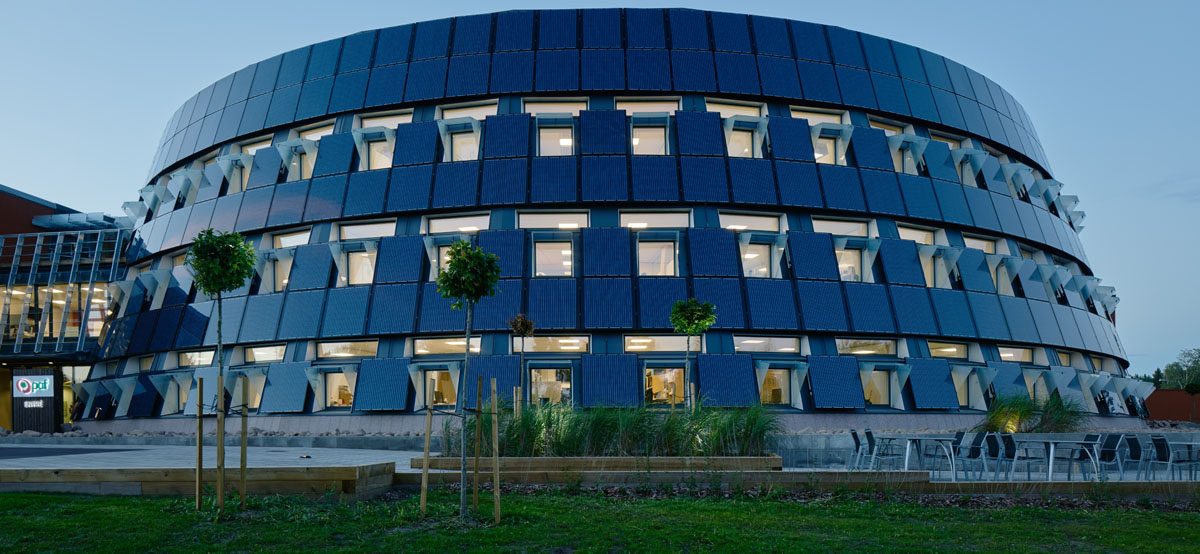
Despite taking 33rd spot in last year’s EGR Power 50 list, Nordic facing operator Paf remains an outsider of the online gaming industry. This perception is hardly helped by the fact the company is based off the coast of Finland, on the remote Baltic island of Åland. And while it’s not quite a case of ‘out of sight, out of mind’, there’s certainly an air of mystery surrounding the government-owned firm.
Eager to get a sense of what the company and the island have to offer, EGR Intel flew out to visit Paf’s somewhat snowy headquarters to meet with its recently installed CEO Christer Fahlstedt, who himself recognises Paf as being in danger of being cut-off from the rest of the industry. But unlike a number of its Nordic peers, the firm remains committed to operating out of its homeland, resisting a move to more traditional gaming hotspots, such as Malta or Gibraltar.
And as EGR Intel steps out of the modestly sized Mariehamn airport, we get our first sense of Paf’s presence on the island, with the firm’s logo emblazoned on the side of a waiting taxi, which then whisks us off to Paf HQ. The operator is no outsider here – quite the opposite.
Sense of duty
Home to fewer than 30,000 inhabitants, in Paf Åland also houses a quite unique gambling company. Firstly, the large bulk of what Paf generates goes directly into the public purse. In 2015, Paf handed over €20m of the €22.7m in profits it made to the exchequer, while the company also places socially responsible gaming measures at the heart of its business.
And it’s a combination of these noble measures that first attracted Fahlstedt to Paf. Having been in the industry for more than 12 years, Fahlstedt admits he considered calling time on his gaming career, such was his growing frustration with the industry. “[The industry] gets to you, or it got to me at least,” he says. “The longer you work in the industry, the more you see the downside and how important the VIP players are. While some can afford to lose the money, others can’t,” he adds.
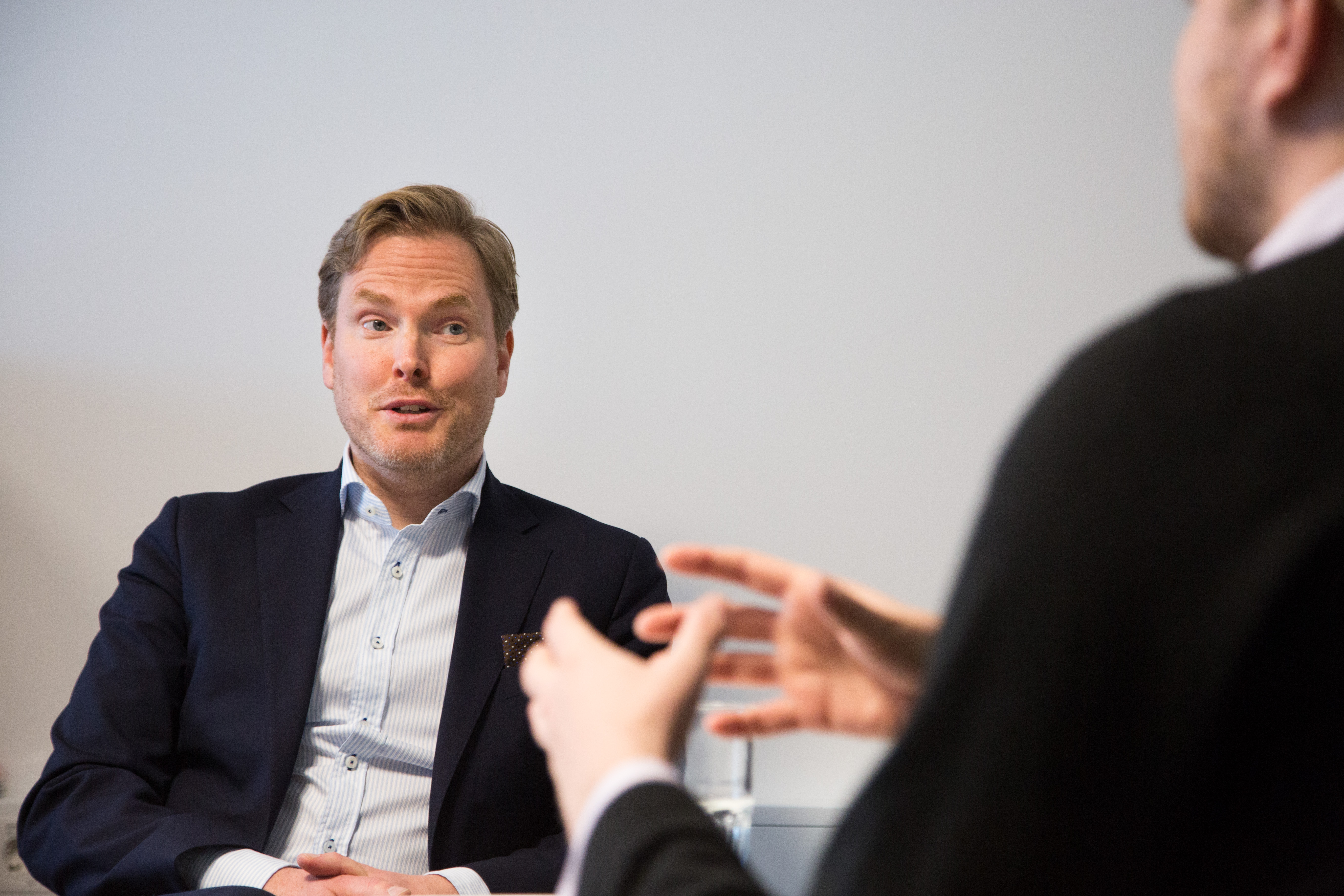
CEO Christer Fahlstedt wants Paf to become a real power player
It wasn’t until Paf came calling that the Swede changed his mind. The company’s social values and strong sense of responsibility was enough to convince him to remain in the industry. The profits the company makes is likely to be spent by government on areas such as culture, healthcare and seaside rescues. “That’s motivating for me,” Fahlstedt says. “We don’t have to go for profit maximisation because the profit we generate matters here, everybody cares,” he adds.
Fahlstedt joined the company back in June from Betting Promotion, where he had spent two-and-a-half years, and previously was at platform provider Tain for six years. He works on the island for around three days a week, with the rest of the week spent with his family in Sweden.
The short flight time of 30 minutes from Stockholm to Mariehamn barring any flight delays, usually caused by icy conditions, makes it convenient for the CEO.
Changing perceptions
Paf, which was formed in 1966, is perhaps best known for its slot machines, many of which are located on the ships operating across the Baltic region: Mariehamn is a big attraction for tourists taking day trips on cruise liners (the firm also runs the casino on board Gibraltar’s Sunborn boat hotel). Slots on cruise ships may give a somewhat dated impression of the firm, but that couldn’t be further from the truth as the firm generates most of its revenues through its digital business.
In 2015, the group recorded revenues of €110m, €76.4m of which were generated online. Furthermore, earlier this year the company moved into new office space, with its façade dominated by solar panels, such is the sustainable focus of the operator and government. A modern interior includes an in-house games development studio, while a quirky ‘think box’ area catches your eye when immediately entering the building.
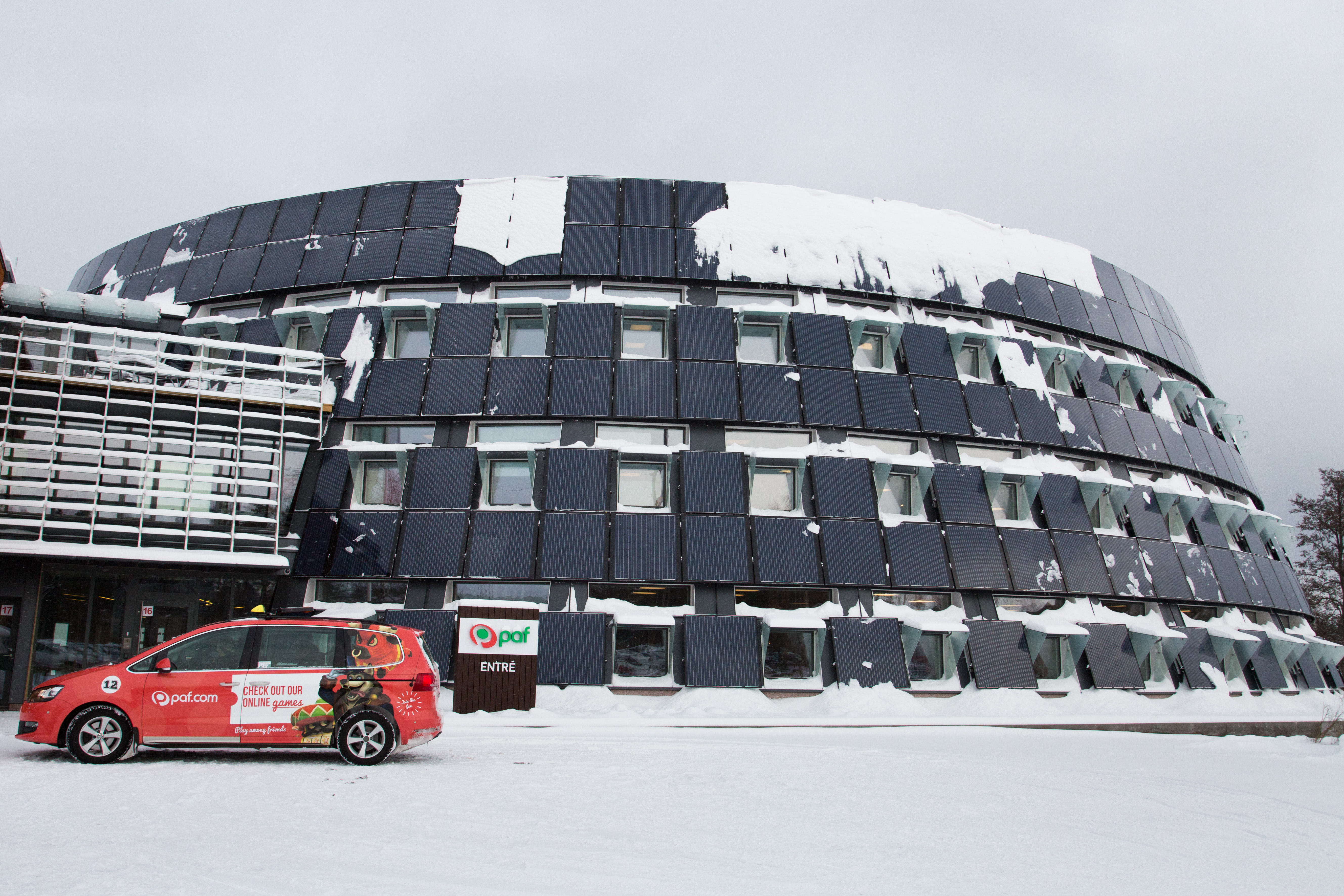
Paf’s brand new head office in Mariehamn on Åland in Finland
And if you think Paf’s island workforce consists solely of Åland locals, you’d be sorely mistaken. In fact, the company’s staff is made up of 14 different nationalities. This cultural mix came as a surprise to Fahlstedt, who expected to be working exclusively with Swedes and Finns, but there are also staffers from countries such as Wales and Ecuador.
For a firm operating out of a tiny island, you’d be forgiven for thinking it would struggle to attract the right talent, but far from it. “I think we’re doing really well at the moment, and in the future it will be even easier because I think quality of life really does matter and is gaining in people’s lives,” says Fahlstedt.
Employees rave about the quality of schools, the quieter environment and the low crime rates. Many locals don’t even bother to lock their cars and leave their keys in the ignition lock, such is the level of security they feel. “That’s hippy stuff,” chuckles Fahlstedt, who says he has yet to adopt the native trend.
Responsible gaming
Fahlstedt describes Paf as the responsible mate you need for all of life’s hiccups. “To me, it’s like when you go for a night out with your mates, but sometimes you drink too much and you need your mates there to tell you when it’s time to go home,” he says. Rather than “chase the last pound” from a customer, Paf tries to ensure customers know their limits. Upon login, users can view their lifetime losses, or wins, as part of its responsible approach.
“My initial reaction when seeing this was ‘are you guys crazy? How can we have any customers left?’” Fahlstedt says. But he soon changed his tune upon seeing the amount of users who remained playing after giving customers their profit and loss information.
Paf prefers to play the long game. Fahlstedt concedes the firm is relatively poor on acquiring new customers, but revels in how long customers stay with its online site. Rather than offer huge sign-up bonuses, it targets the older player, who may be considered more responsible. “Profitability in the online gaming industry is fundamentally driven by the length of the customer relationship because so much cost goes into acquiring them,” Fahlstedt says. “If you have a longer-lifetime customer, it’s a fundamental driver for profitability and I think Paf is a very strong player when it comes to CRM and maximising the lifetime in a sustainable way.”
“One of the things that struck me was the reoccurring meetings we have to go through the problem cases and go through them on an individual basis.” Christer Fahlstedt
It has a number of staff devoted to ensure customers don’t enter the ‘red zone’ of gambling. Whether it’s an email interaction, a personal phone call or the ultimate decision in excluding a customer who spends too much, Paf assesses the player journey at every level.
“One of the things that struck me was the reoccurring meetings we have to go through the problem cases and go through them on an individual basis,” says Fahlstedt. “We make judgment calls, and ask ourselves whether we can live with this. In many cases we say no, and come to a conclusion they need to limit the amount being spent, and set deposit limits.” While on occasions this will work, ultimately this is likely to lead to players leaving the operator to play somewhere else, but from the company’s perspective it is the move they have to make to ensure it adheres to its moral guidelines.
But can there be such a thing as a socially responsible gambling operator? “It’s a very relevant question,” says Fahlstedt. “We always have to be honest that what we sell is for the enjoyment of 98% of our customers, and the 1-2% wish they hadn’t done when looking back.”
He adds: “The message is clear, we want to be the leading responsible gaming operator in the world and I think we are. I think we invest more time and energy than anyone else. You can do it cleaner and better than anyone else, but can you do it 100% clean? No, because it is not 100% clean; there is collateral damage in this industry, absolutely.”
Baltic focus
Fahlstedt was hired as a replacement for former CEO Anders Ingves, who was dismissed from the firm in January after the Paf board felt it “needed a different type of leader to successfully expand internationally”. From an outside perspective, the former Tain man felt the company wasn’t clear enough on its strategy in the international markets it operates in.
“Perhaps we were a little bit opportunistic, going to places that seemed to be going well,” says Fahlstedt. “We should have paused and said to ourselves ‘we can’t work with high rollers’.”
For the new CEO, it was clear Paf needed to focus its attention and investment on where it has the biggest chance of being successful – the Baltics. In fact, just months after joining the operator, Paf exited the UK market in a clear example of the firm having no strategy in a highly competitive region. “We couldn’t answer the question of why would a UK customer come and play with Paf,” he says.
While it has a small Italian-facing arm, the immediate future will see Paf focus on the Baltic region, an area it knows very well and believes it can become a “real power player”. Fahlstedt is already eyeing a more aggressive strategy in Sweden, particularly with the region heading for re-regulation, potentially by 2018. Sweden is one of the few exceptions where it has been able to operate without a proper regulatory scheme in place and has been more hesitant in its approach, according to Fahlstedt.
“The message is clear, we want to be the leading responsible gaming operator in the world.” Christer Fahlstedt
But with a squeaky-clean business model with responsibility at the core, Paf is more than ready to meet regulatory requirements, particularly as it already plays to every letter of the law with government figures overlooking its every move. “We actually read the small print,” jokes Fahlstedt, before proceeding to a more serious tone: “We always need to ensure that our owners – who are elected politicians – can live with a decision we make, which gives us a different framework or scale to work with when making decisions.”
Unable to market itself in its home market of Finland, the restriction has moulded the company in a way that ensures it is strong on retention but weaker when attempting to acquire new customers.
Marketing opportunities are limited to the island itself, with opportunities few and far between. Despite being a majority shareholder of the island’s football club, IFK Mariehamn, which is set to appear in the Champions League qualification phase next year, Paf cannot sponsor the club as it plays in the Finnish Premier Division.
The company was also quick to sponsor a heavyweight boxer who is based on the island. Robert ‘The Nordic Nightmare’ Helenius has trained with former world champion Tyson Fury, and has defeated Brits Derek Chisora and Michael Sprott in previous bouts. The company would like to do more marketing, but revels in the zero marketing spend it has in Finland.
Big ball of mud
With a growing digital gaming division to complement its more traditional retail business, Fahlstedt is keen to progress the company’s multi-channel strategy, merging its traditional ship-based slot machines which currently has very little to do with its online channel. “We want to make one Paf, so if you play a slot machine on a ship, they can recognise the experience and the culture as playing online,” he explains.
While a huge number of its slot games are built in-house, the company is looking to expand on its third-party portfolio, while Kambi powers its sportsbook. Having its own tech platform was once a huge advantage for the firm, but now requires a radical change to fit into the CEO’s online strategy. “We have built a big ball of mud,” he says. “This is an area that we need to fix in order to be more aggressive. Today, it takes us too long to get things done. We’ve built a lot of good things, but not to the requirements of a multi-jurisdiction international gaming company.”
Inspired by Netflix, the company is also considering introducing a subscription package to its online channel that could very well fit into its responsible business model. “There’s something in the subscription model that goes very well with the long-term customer relationship we aim for, but also prevents the player from playing too much,” believes Fahlstedt.
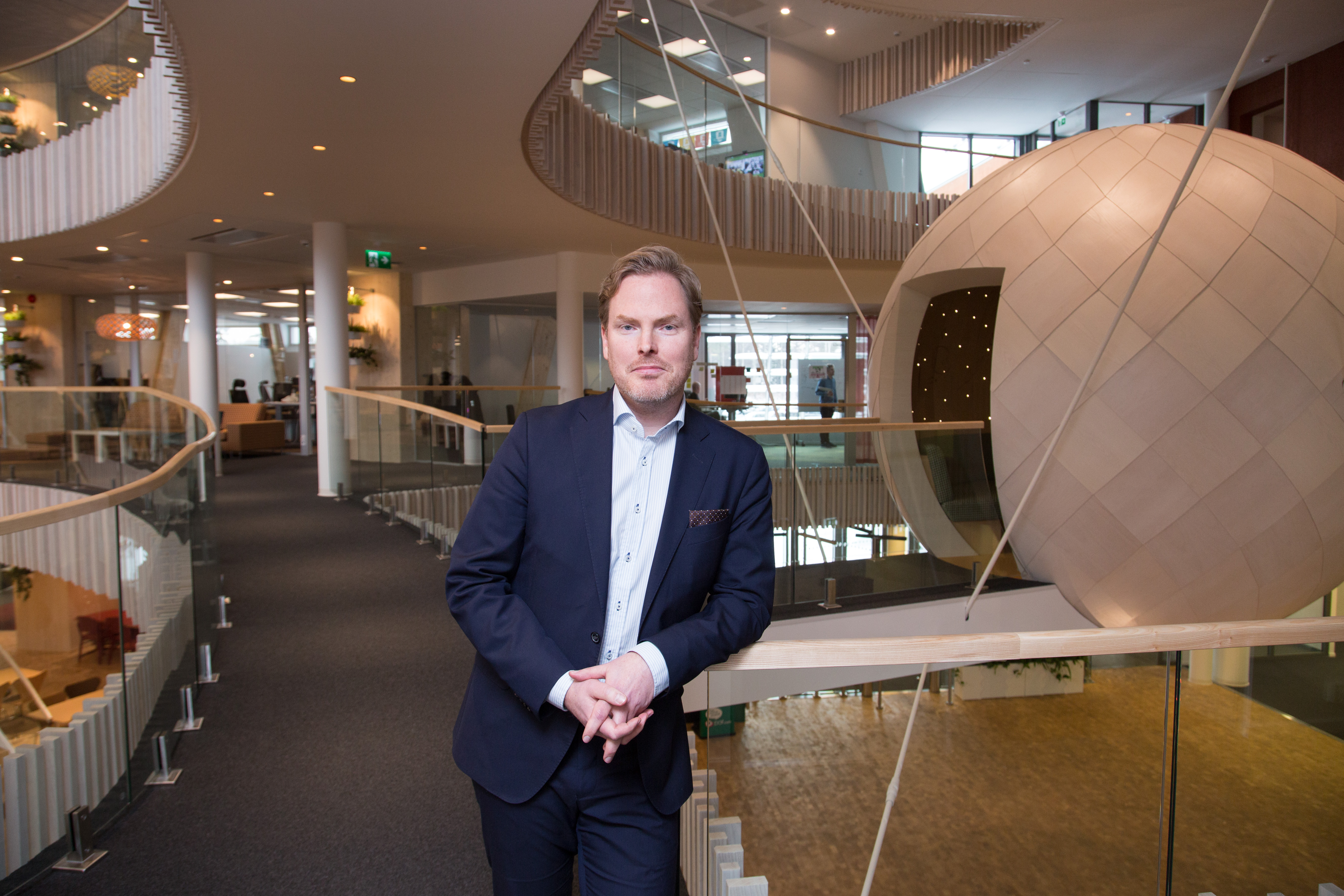
Fahlstedt is keen to improve Paf’s technology platform in order to be more competitive
But with its profits turning into charitable donations, does it restrict the company going forward? Not according to Fahlstedt: “It’s clear that we need to deliver cash flow every year, otherwise the people of Åland will have a significant reduction in the quality of life – that’s a given,” he says. “We have a strong balance sheet today, we don’t have any issues with that in terms of our strategy going forward. We have enough cash for what we want to do.”
Following a successful acquisition of Italian business Winga at the end of 2014, which contributed significantly to the operator’s 17% growth in online gaming revenue for 2015, the company wants to remain active in the M&A space. However, there’s nothing in the pipeline at present, as Fahlstedt explains: “We need a bit more time in order to get our house in order. It has to play to our strengths and be in the Baltic region, potentially slightly outside. We need to be in areas where there is an interest in responsible gaming. For instance, I don’t think that’s a big thing in Russia, people wouldn’t care and we’d struggle to compete there.”
But one thing that is for certain is Paf is strictly not for sale. “We have been happy here for over 50 years or so,” says Fahlstedt. “We intend to stay here for the next 150 years or so. I think the ownership is a strength we have.”
And while it prepares to get its house in order in preparation for M&A activity and future growth in the Baltics, Fahlstedt provides a colourful description of what is in store for the next year. “It takes time for the anaconda to shit,” he muses. “We’re eating a lot here, and we will be shitting a lot in six to nine months’ time.”