
Job satisfaction: how the gambling sector has set up for a pivot to hybrid working
As operators capitalise on the benefits of remote working, will nine to five in the office become a thing of the past post-Covid?


A year into the pandemic, Covid-19 has changed our lives in more ways than we could have imagined. Wearing a mask to the supermarket and standing two metres apart from people in the street has become the societal norm in next to no time. Pre-March 2020, these restrictions would only have been seen in dystopian science fiction films. One of the biggest impacts on our daily routines has been a switch to remote working. Most offices, especially in the UK, have been closed for 12 months now in a bid to restrict the spread of the virus. What were once bustling London hubs filled with nine-to-five workers have now become concrete and glass ghost towns. Society is hopeful that the vaccines will allow life to return to something resembling normality in summer 2021. But the future of work is likely to look very different. In February, the Financial Times contacted more than 20 companies and most said they anticipated introducing hybrid models of working where staff split time between the office and home. Indeed, PwC carried out a survey of its 22,000 employees and early findings suggest most are keen to return to the office for three or four days a week, with the remainder spent working from home. Gambling companies are doing something similar by surveying staff and knocking boardroom heads together to try and figure out the best way to proceed when this pandemic nightmare is over. For many, it has been a period filled with angst, illness and isolation, but there have been silver linings. These include spending more time with family and being afforded the opportunity to step back and re-evaluate what is really important in life. While the cancellation of sport in March and April of last year seriously damaged sports betting firms, the gambling industry as a whole was better positioned than most sectors for the pivot to remote working, retail bookmakers aside. Many tier-one operators have teams across the globe, which meant digital communication was already a priority, while software developers and traders are by and large more comfortable working on their own devices than on legacy office tech. Kindred Group internal communications manager Jamie Abbey tells EGR Intel: “We were a pretty remote-ready organisation prior to the pandemic. We’ve invested a lot of money, resources and expertise into making sure that our systems and tools are available to employees from anywhere. While obviously we didn’t foresee the pandemic, we were able to transition to a remote workforce effectively and without too much business disruption.” Abbey says there were no teething problems from a tech perspective, but the sporting blackout meant a reorganisation in some teams to focus on verticals that were still alive and kicking. This pivot demanded an increase in communication, which has become a key theme of the pandemic as proven by the meteoric rise in the use of online software like Zoom, Teams and Slack. “We were doing weekly communication to staff from leadership and talking about the business response to Covid-19, making sure that everyone was aware of the commercial situation,” says Abbey. “We were also reinforcing the fact that health and wellbeing was the number one priority, and we were keen as a business organisation to play our part in reducing community transmission. Therefore, working from home was absolutely the right approach,” he adds.
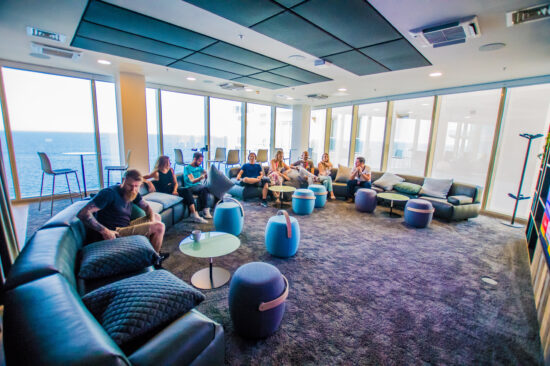
Kindred Group was able to quickly shift to remote working thanks to its pre-existing tech strategy