
Into the lion's den: Gustaf Hagman charts the history of LeoVegas over the past decade
How a spinning iPhone 3GS at a Stockholm barbecue gave birth to a mobile-first operator which would disrupt the sector

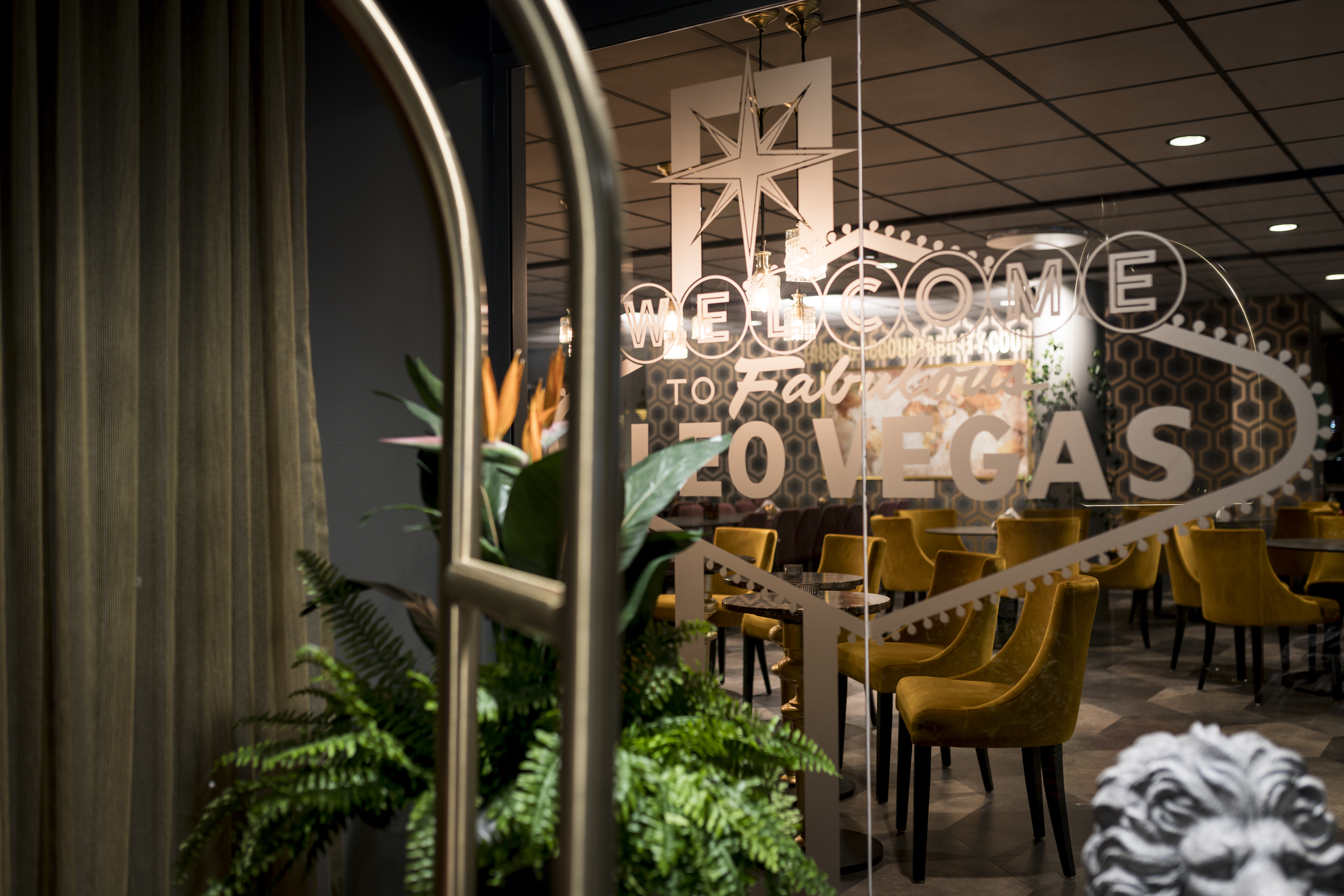
Anyone who owned an early version of Apple’s iPhone will probably recall how it was built with the back of the handset being rounded in design. It wasn’t until the fourth iteration that the Cupertino, California-based tech giant ditched the device’s bulbous derrière in favour of a squarer, more uniform appearance. Back in 2011, Gustaf Hagman had an iPhone 3Gs when he invited former high school pal Robin Ramm-Ericson and his family over for a barbecue at his new house outside Stockholm. Later that May evening, which was particularly bright due to the Swedish capital’s northernly position on the globe, Hagman was subconsciously spinning his iPhone face up on the table. “I had a bad habit of playing with it, so I was turning it,” he reminisces from LeoVegas’ chic videoconferencing room at the firm’s Stockholm HQ. Hagman and Ramm-Ericson, who were both 36 at the time, were discussing the possibility of teaming up to launch an online casino targeting the Swedish market when they noticed that the rotating iPhone mimicked the circular motion of a roulette wheel. It was a lightbulb moment for Hagman, although Ramm-Ericson being a fanboy of that portable email workhorse issued to executives – the BlackBerry – meant he needed a little more convincing of the merits of creating a mobile-first casino for Apple’s flagship device. “This is touch, I told him, and that’s more interactive […] we started to discuss how it was more of an entertainment device and that we should build a mobile-only casino. You’d have a casino in your pocket,” says Hagman. At the time, Ramm-Ericson was working for Neteller, although he’d previously served as head of product development at Sweden’s horseracing operator, ATG. Hagman was running igaming affiliate Net Gaming (now Acroud) as CEO. He says: “I went to my board the day after and told them I needed SEK25m to create the best mobile experience to transform this company into a mobile gaming company, or I needed to do it myself. So, I quit and joined forces with Robin.” The pair drew up a business plan and initial financing of SEK12m (or roughly £1m at the time) was secured by the last week of June. “From the handshake [with Robin] to the first financing took a month.” As for the name for their new venture, they chose Leo as it is Latin for lion and Vegas is obviously shorthand for the US gambling Mecca Las Vegas.
The mane draw
Besides hiring four developers to build the front-end, a copywriter was recruited to convey the brand’s messaging to players in marketing and CRM materials. “Language was important,” Hagman explains. “We wanted it to be fun and friendly with a lion […] we wanted to be king of the jungle.” After many long days in late 2011 building the product, culminating in a nerve-wracking launch night where the team refuelled on soft drinks interspersed with glasses of Moët, LeoVegas went live on 12 January 2012, running on the platform belonging to a prominent supplier at the time, NYX Gaming Group (acquired by Scientific Games in 2018). Keen to make a splash, Hagman bought a “really, really large” newspaper ad campaign from day one. “This is not how you do it; normally you have a soft launch, you correct things and you listen to your users. We had a strong belief in our product and that it was going to work.” It didn’t take long for Swedes to start opening accounts, and soon revenue was doubling month-on-month. “Every day we could see the numbers picking up. People were depositing money and withdrawing to see if it works, and they can trust you.”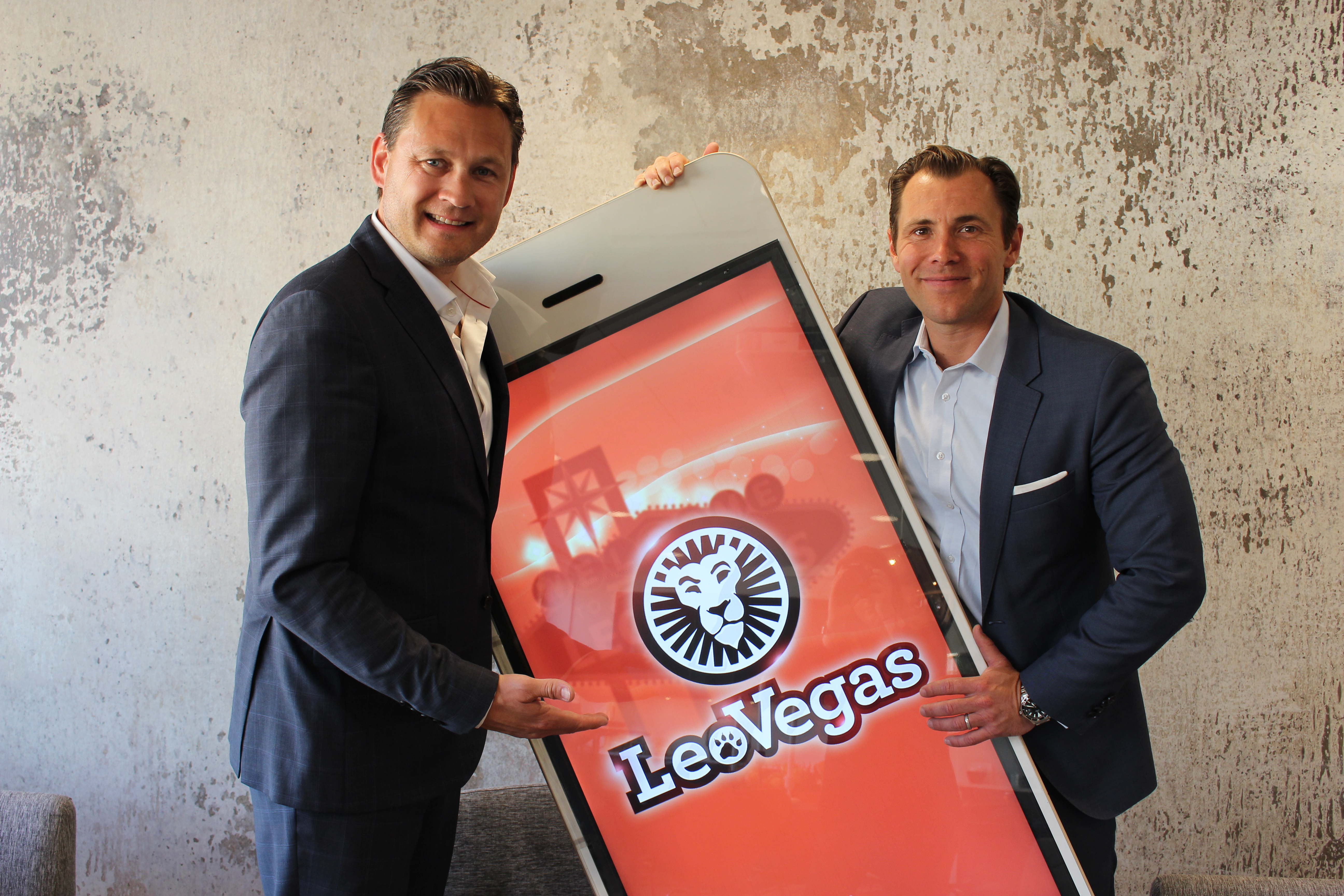
Hagman (left) with Robin Ramm-Ericson
Float to the top
The result of the oversubscribed IPO was that LeoVegas shares began trading under the ticker ‘LEO’ on the Nasdaq First North Premier on 17 March 2016 at SEK32 each. That meant the company had a market cap of roughly SEK3.2bn, or around £250m going by today’s exchange rate. “It was a quality stamp for the organisation,” Hagman says when remembering the “awesome moment” of getting to ring the opening bell alongside Ramm-Ericson. “It brought a lot of positives, one of them being it was easier to hire people. When you’re a listed company, everything becomes a little bit more professional.” As the workforce expanded, LeoVegas’ management looked at tech companies in Silicon Valley to replicate their global hubs for staff and less of a hierarchical set-up. “More sorts of teams within the company working quite independently and who are quite entrepreneurial-driven,” the Swede explains.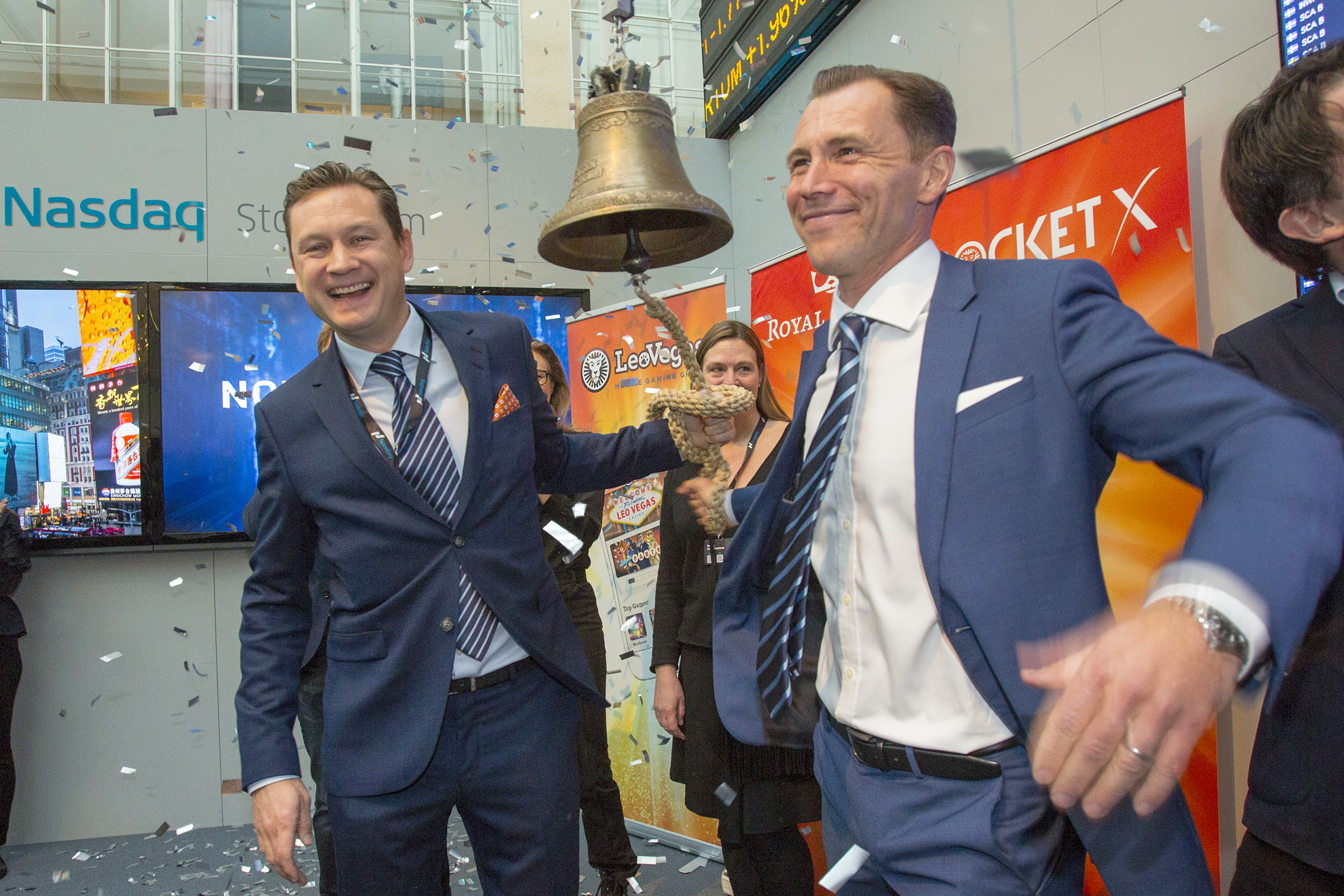
LeoVegas went public in 2016
Euro division
When LeoVegas launched a decade ago, many EU markets were unregulated or in the process of regulating. With regulation, along with subsequent increased rules to toughen laws, compliance is far more stringent than in 2012. For example, Sweden has had its much-publicised challenges for licensed operators since the country re-regulated gambling in 2019 due to the regulations and restrictions there. Hagman believes channelisation in Sweden was around 70% towards the end of 2021, yet he says there is cause for optimism with temporary deposits being removed, Swedish fintech firm Trustly recently halting deposits to unlicensed sites, and the regulator’s plans to license B2B companies. “Channelisation is moving in the right direction. If someone was to measure [Sweden] now, it is probably up to 80%.” Germany is a different story though, due to not being able to offer table games, an insurmountable 5.3% turnover tax on slots (hence 90% RTPs), and a €1 limit per spin. “Germany is like 80% gone for us,” Hagman says, palpably frustrated by the hit his business has sustained in what is Europe’s largest economy. “It’s just 20% left. Germany was one of the largest markets for LeoVegas and then it got wiped out with the really bad transition period where the authorities didn’t understand anything about this industry.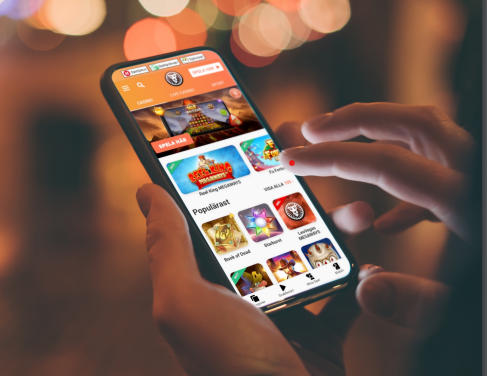
LeoVegas has 24 million registered users