
Industry reaction: UKGC and BGC weigh in on House of Lords gambling-related harm report
UK regulator and the industry’s main trade body react to damning report into the sector and its 66 recommendations

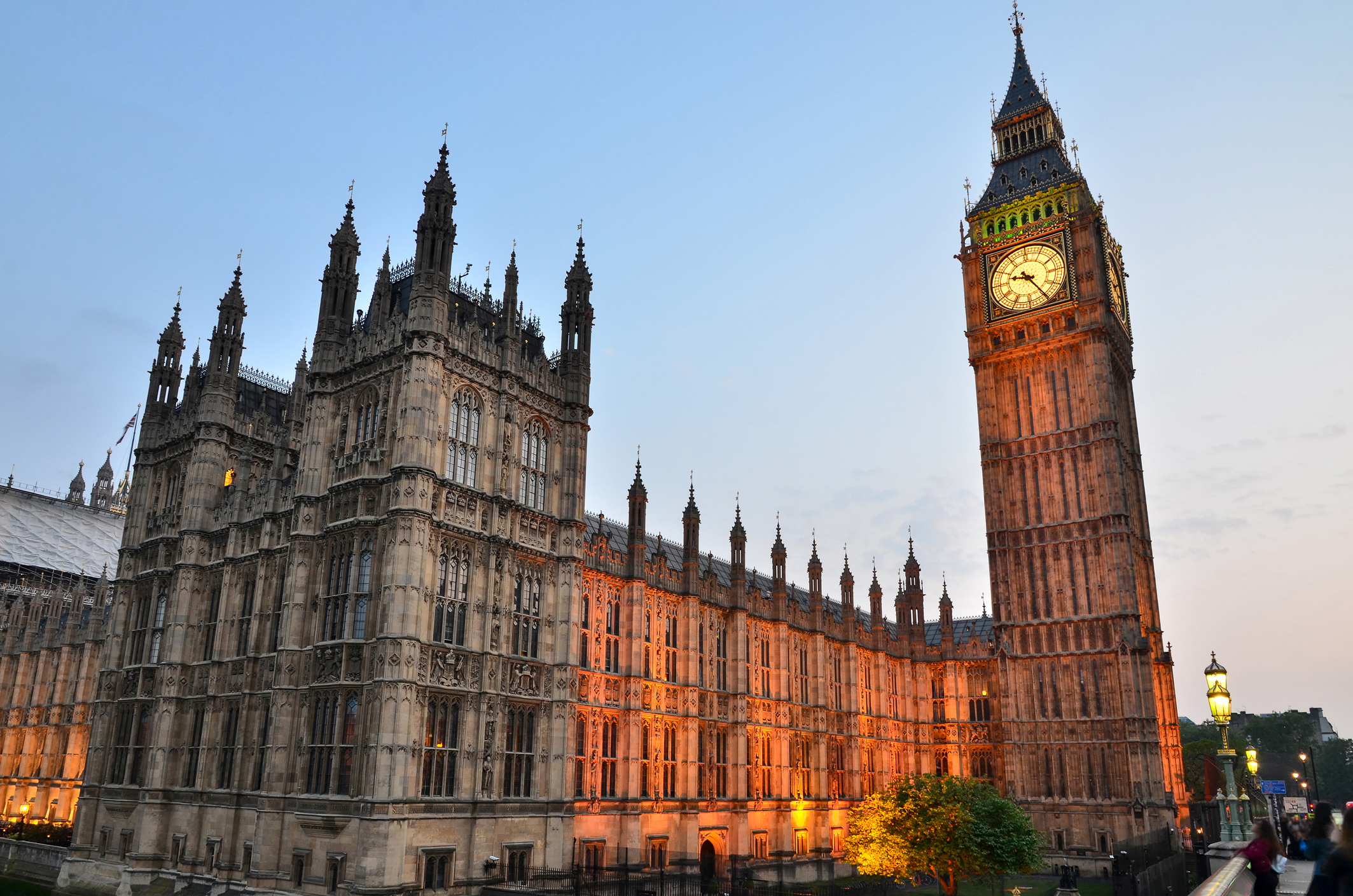
The political nature of the gambling industry in the UK has never been so keenly illustrated as in today’s scathing House of Lords report into gambling-related harm.
In a 194-page document, the House of Lords Select Committee on the Social and Economic Impact of the gambling industry laid bare its thoughts on the state of UK regulation, operator conduct and the treatment of problem gamblers.
Its 66 recommendations on future regulation of the land-based and online sector are sure to cause reverberations for many months to come, but what do the industry’s other chief stakeholders have to say?
UK Gambling Commission CEO Neil McArthur
We welcome this report and are already working on a number of the recommendations highlighted. As we made clear in our evidence to this and other committees, we need greater resources to be able to meet the challenges ahead. Our current funding arrangements do not give us the resources we need and we are working closely with DCMS to address that.
We have made considerable progress in many areas to make gambling safer. We have tightened the regulation of the online sector and taken much tougher enforcement action against operators, including suspending and revoking licences. In the weeks ahead, we will be publishing plans to remove potentially addictive features in games, further improve customer interaction and strengthen affordability checks.
We recognise that criticism is something that all regulators face. Where the criticisms are justified we will learn from them, but as we have been completely transparent and candid in all the evidence we have given to the various committees, in many areas this and other recent reports are playing back issues we have raised, know we need to work on and are already working to improve.
Betting and Gaming Council CEO Michael Dugher
The BGC welcomes the House of Lords report as a substantial and important report on the future of gambling regulation. There is much in it that we support and while we don’t agree with every recommendation, we feel this is an important contribution to the debate and the approach the Lords took was constructive.
We would now urge the government to bring forward their planned review of the Gambling Act without delay and to work with the industry on an evidence-led approach to future regulation.
The BGC completely agrees with the Lords that the challenge for the government and the industry is to make gambling safer for all, but no less enjoyable for those who do participate safely. Striking the right balance between regulation and not unfairly restricting the majority will be key to a successful Gambling Act review and we are prepared to engage openly and constructively with ministers and parliament on that process.
The Betting and Gaming Council, as the new standards body, is determined that there should be a race to the top on gambling standards and our members are fully behind achieving that goal. The Lords report rightly acknowledges that around 300,000 people are problem gamblers, and we recognise the impact this can have on those around them, but it’s important to remember that the vast majority of the nearly 30 million UK adults who enjoy a flutter every year by either buying a lottery ticket or having a bet do so safely and enjoyably.
As both the government and the Gambling Commission acknowledge, problem gambling levels in the UK have remained stable at around 0.7% of the adult population for nearly two decades and we must now look at what more can be done to identify those individuals and ensure that they use the self-exclusion tools available that block them from all forms of gambling with our members.
The BGC is already working with the Gambling Commission on new affordability checks and a new code of conduct for game design, including slowing spin speeds on games and removing some in-game features.
We welcome the committee’s understanding of the role of advertising and the lack of real evidence of any link between gambling advertising and problem gambling. Betting not only provides sport with the vital funding it needs, it also supports the TV channels’ ability to broadcast more sport than would otherwise be possible. Over 50% of all our members’ bets are taken on sport and in turn revenue from these bets return to sport through media rights, advertising and sponsorship.
Our members have taken great strides in addressing the level of advertising, introducing a whistle-to-whistle ban on advertising during all sport, which has resulted in an 84% reduction in sports advertising, banning all gaming product advertising during lockdown and have now committed that at least 20% of advertising will be safer gambling messages going forward.
The report rightly raises concerns about children and gambling. It is vital to understand that the vast majority of that gambling is legal betting between friends, in arcades or on the National Lottery. It is illegal for anyone under the age of 18 to bet with any of our members and we have strict measures in place to prevent any child from accessing our members’ products, whether that is preventing them entering betting shops, ID and age checks at the entrance to casinos or new ID and age verification checks online, which have resulted in hundreds of thousands of accounts being closed. Gambling by under-18s with National Lottery products is clearly a matter for the government, but we note the committee’s recommendation that all gambling should be restricted to adults only.
It is also vital that action is taken against black market operators who do not adhere to our safeguards and checks, and it important that any changes to regulations do not simply drive gamblers into the arms of unscrupulous individuals.
The BGC is also happy to explore the creation of an independent ombudsman to judge customer complaints if clear procedures and responsibilities can be agreed that do not conflict with other regulation.
The report rightly acknowledges the huge economic contribution made by our industry, which pays £3bn a year to the Treasury in tax while also employing more than 100,000 hardworking men and women.
We are driving significant changes in our industry and will continue to do so. Our members have already introduced a range of measures, including cooling off periods on gaming machines, encouraging deposit limits, monitoring play and spend, closing off VIP schemes to under-25s and massively increasing funding by £100m for research, education and treatment. Many of these actions mirror recommendations made in the report.
We support reform and look forward to engaging with the government on how we ensure a strong future for the regulated industry while being 100% focused on driving more changes and higher standards on safer gambling.
Canaccord Genuity analyst Simon French
Unpleasant headlines
The report contains some unwelcome (and highly questionable in our view) claims in its Summary section including that on average, one problem gambler commits suicide every day, there are 55,000 problem gamblers aged 11-16 and the industry generates 60% of its profits from the 5% of players who are already, or are at risk of becoming, problem gamblers. We expect the recommendations to feed through to the already announced review of the 2005 Gambling Act, the revisions of which we do not expect to be enacted until 2022.
Detail is more balanced
There is a clear acceptance of gambling as a recognisable leisure pursuit with the committee stating that it hopes its recommendations “will make gambling safer for all, but no less enjoyable for those who do participate safely”. Whilst not relevant for our quoted coverage universe, the clearest demonstration of this is the recommendation that the National Lottery product buying age is raised to 18.
Affordability and stake limits
The thrust of the report is around affordability, a concept that is notoriously difficult to grasp and regulate, but there is recognition a blanket approach will not work, which is positive. Affordability has to be looked at in tandem with stake limits. Here, we see a sensible set of recommendations that would involve online gaming products being categorised and stake limits being set according to these product categories, and stake limits reviewed as part of the existing land-based triennial review of stakes and prizes. This lends support to our view that any maximum stake for online gaming products would likely mirror those found in land-based casinos, i.e. £5. Related to this, there is also a recommendation to equalise the speed of play and spin so that no game can be played quicker online than in a land-based setting.
Advertising
There is a recommendation that gambling advertising on sports teams’ shirts and kit should be banned along with advertising in or around sports grounds or venues. For football teams below the Premier League this will be delayed until 2023, recognising the Sky Bet contract which runs until 2023/24. We would expect much of this advertising spend to be diverted online, a topic only briefly covered by the report which recommends that affiliates should be regulated.
Intangible positives
The report recommends that DCMS should continue to be the government department with primary responsibility for the industry. Transferring responsibility to DHSC would have clearly sign-posted gambling as an illness rather than a leisure pursuit. Similarly, there is clear grouping of gambling with alcohol (and drugs), rather than tobacco. This alignment with alcohol, again viewed and recognised as an acceptable leisure pursuit, is something the industry has been pushing for, for some time.