
Henrik Tjärnström on why Sweden market expectations were so far wide of the mark and the need for B2B licences
Kindred Group CEO talks exclusively to EGR Intel about how the operator is trying to arrest the ongoing slump in Sweden
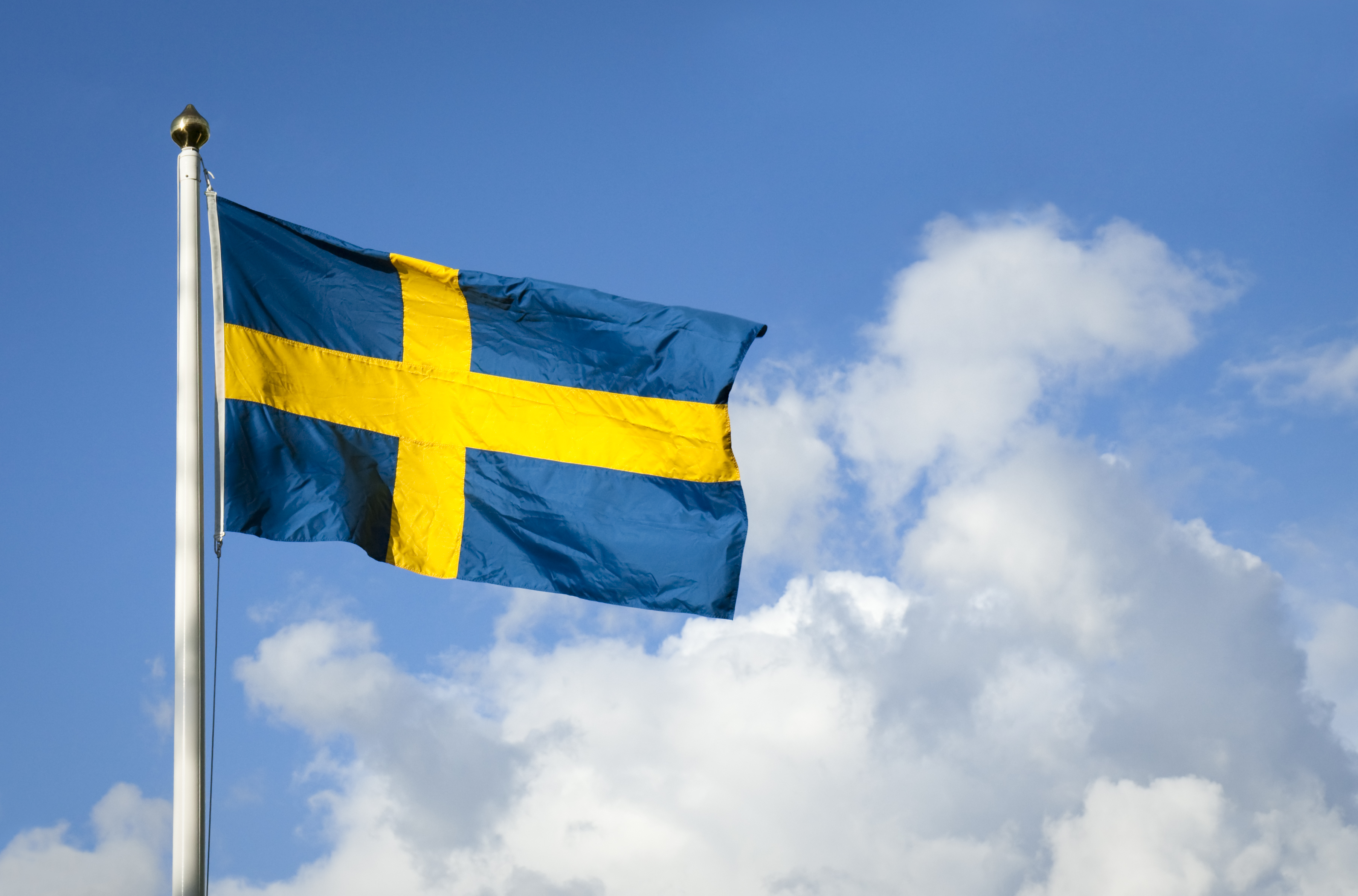
Sweden is proving scarier for gambling operators than Halloween. Kindred Group last week reported a 2% drop in Q3 revenues due to poor performance in its home country – and the Unibet owner is not alone.
Kindred’s Stockholm syndrome is reflective of a wider trend. Online gambling revenues in the country fell by more than 3% again into Q3, down £9m from the second quarter. But why?
A double-digit increase was predicted across the board for Sweden’s licensed operators once the market regulated in January, but the opposite has occurred and chances for a turnaround appear to fade by the month.
Below, Kindred Group CEO Henrik Tjärnström outlines what went wrong – and how the regulator could help to put things right.
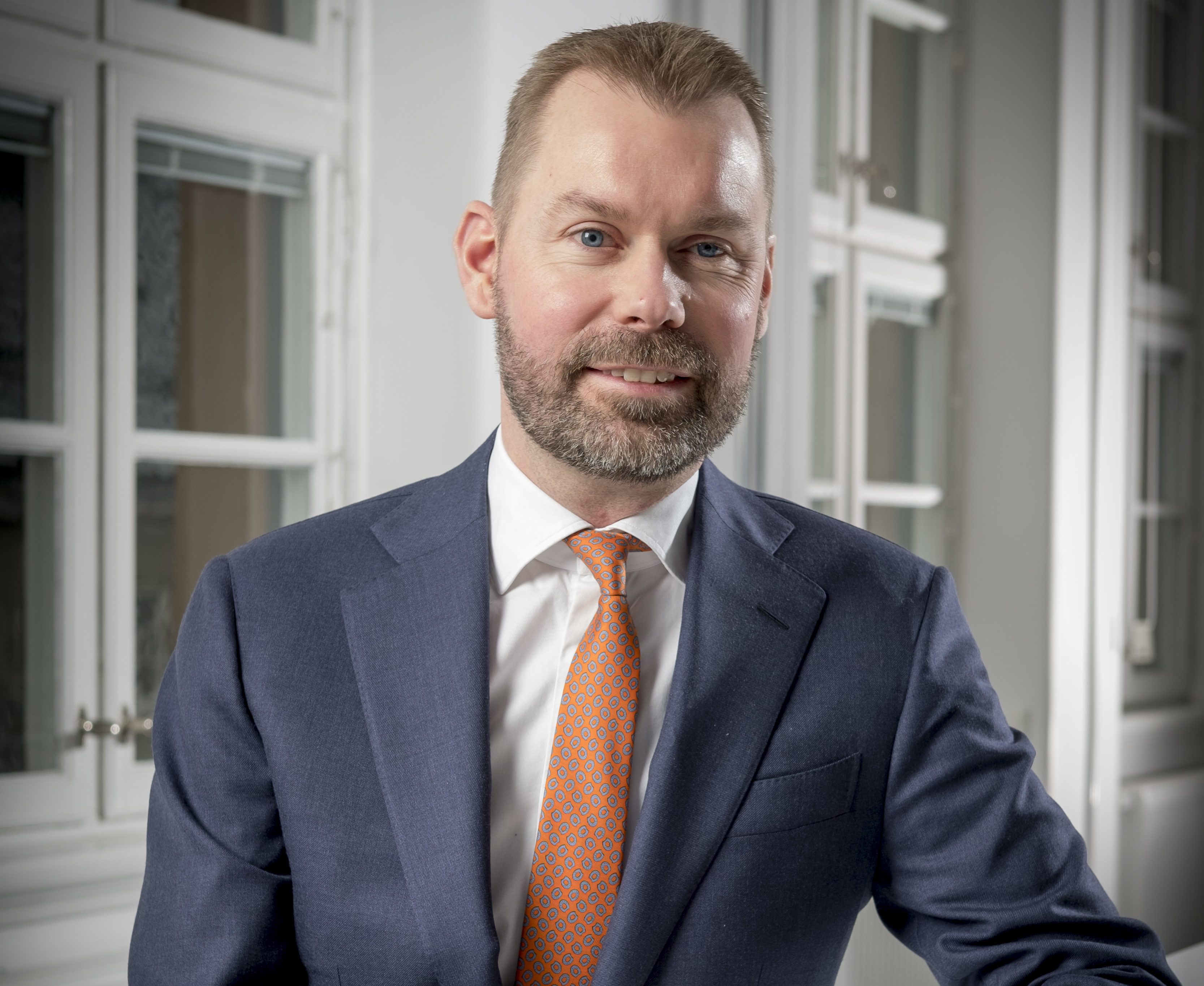
Kindred Group CEO Henrik Tjärnström
EGR Intel: What is your initial reaction to Kindred Group’s Q3 results?
Henrik Tjärnström (HT): This is our weakest quarter in every two-year cycle. It is up against tough comparatives with the World Cup from last year and then also Swedish re-regulation has turned out much worse than expected and that is weighing on the numbers. We were trending to come in above last year, but we came in slightly below. We still see positive developments across quite a few markets, especially in our licensed markets where we grew 13% excluding Sweden.
EGR Intel: Everyone is struggling in Sweden. Has it stopped being a surprise now?
HT: It is proving to be more challenging than anyone expected. We thought the market would grow around 20% year-on-year and it now looks like it’s down single digits which was a surprise for everyone. It takes some time to adjust to that new reality. We are working our socks off to improve customer experience, but it is especially challenging given the current terms and conditions. The channelisation is a concern in the market and an ongoing negative development, so we want to bring our expertise to regulators, politicians and stakeholders to make sure the system is improved.
EGR Intel: Why were the predictions of Sweden’s re-regulated market so wide of the mark?
HT: Everyone thought the unlicensed operators would be held at bay in a much better way than has proven possible. The head of the enquiry suggested B2B licences as well as B2C in the regulation proposals, but they were taken out of the system by the people preparing the law at a late stage in the process. I think that proved quite detrimental for the system. We strongly urge the relevant stakeholders to look at the B2B licence situation where everyone in the value chain needs a licence to operate. That would give the regulator the right tools to police the market and make sure the unlicensed operators are kept at bay.
EGR Intel: Do unlicensed operators have the edge at the moment?
HT: Unlicensed operators will always be a problem, but it is about ensuring the regulated market is good enough to give the customer a reason to play within it, rather than outside of the system. Fundamentally everyone does want to play in the system, but as of now it is too easy to stay outside given the benefit that brings to the customers.
You also have to think about customer bonuses. We are only allowed to give one bonus ever to a customer and if you look across society, at any other business sector, it is normal that you have multiple bonuses being available from businesses – but now in Sweden we don’t have any of that. It makes it very challenging and it is a benefit for the unlicensed operators.
EGR Intel: You have suggested the 91% channelisation figure is wide of the mark. Have you spoken to the regulator about this? How can communication be improved?
HT: We work actively individually as Kindred but also through BOS our trade association and we have a dialogue with the regulator. They appreciate that they were short-staffed at the back-end of last year while having to work completely on licensing. We have heard from them that they are now turning their focus more towards the unlicensed operators. We are encouraged by those signs and we are sympathetic, we know it is not so easy. B2B licences would be a big step in the right direction for them.
EGR Intel: Do you feel under personal pressure to put this performance right or do investors and the board understand this is the result of difficult market conditions?
HT: We face challenges from time to time. We have to take them on the chin and work hard to rectify them like any other operator. Everyone is actively working on that and it is encouraging when I speak to peers in the industry and everyone is facing the same challenges. This is nothing unique. Licensed operators are all in the same boat. We are not used to these headwinds, but they happen from time to time and we need to come up with a solution. Sometimes this takes a little while longer and with regulation starting out on the wrong track in Sweden, it might not happen that quickly. Everyone is starting to appreciate that, but we must focus on improving the system.