
Heavy going: how horseracing is coping in testing conditions
EGR explores the impact of Covid-19 on horseracing, the financial pressures the sport faces and its relevance as a betting product in the future

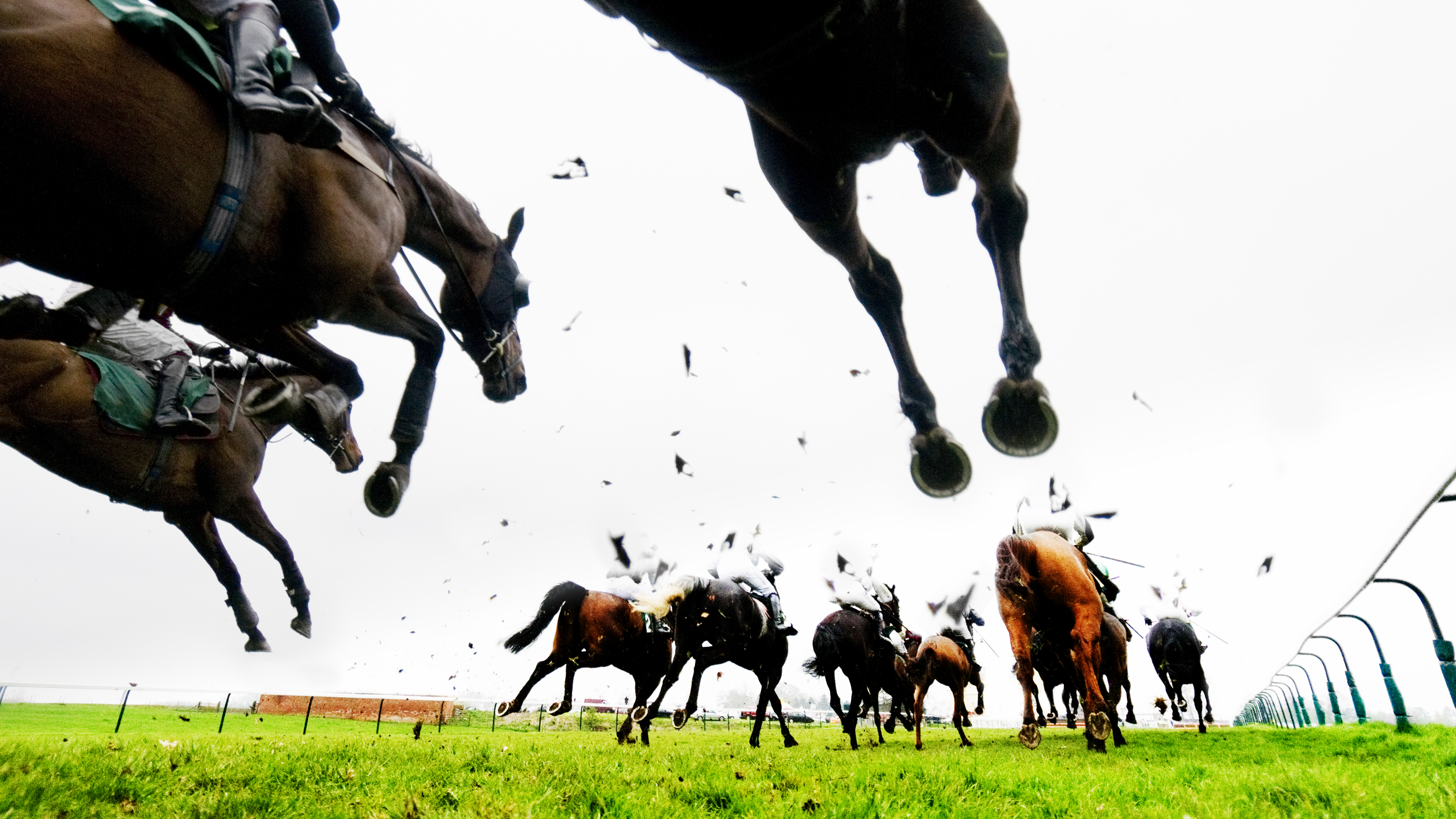
When 14/1-shot First Flow, piloted by David Bass, pulled clear after the final fence to upset the odds and land Ascot’s two-mile Clarence House Chase in January, it was trainer Kim Bailey’s first Grade 1 winner for more than a quarter of a century. However, the occasion was a rather muted affair at the Berkshire track for the veteran trainer and his team as the horse, owned by nonagenarian Tony Solomons, was escorted to the winners’ enclosure. As had been the case for pretty much eight months since racing resumed on 1 June after a 76-day shutdown and the loss of nearly 300 fixtures due to coronavirus, racegoers were absent. And, as Bailey rued the following morning on Racing TV, there was no potential chance to acquire new owners in the bar afterwards in this word-of-mouth business. “Missing that opportunity is the biggest downside,” he conceded. It’s a situation being repeated up and down the country at Britain’s 59 racecourses as meetings – weather permitting – continue to be staged behind closed doors with Covid-19 restrictions and social distancing protocols in place. Such is the impact of racecourses being devoid of spectators, tracks lost more than £250m in 2020. Indeed, racegoers typically account for almost half of turnover, says the Racecourse Association, while media rights, which provide a quarter of tracks’ income, have taken a hit from the closure of betting shops (each outlet pays around £30,000 per annum to show live sport). Prize money for Britain’s second most-attended sport has also suffered. For instance, the prize fund for the most prestigious flat race, the Investec Derby, plunged to under £500,000 in 2020 from £1.6m the year before. “Racing has been acutely impacted,” says Charlie Liverton, chief executive of the Racehorse Owners Association. “Without spectators on courses and the impact on media rights income, there is less prize money for participants – be that owners, trainers or jockeys.” The Horseracing Betting Levy Board, which helps fund racing and prize money through statutory bookmaker payments amounting to 10% of their gross profits from bets on racing, has also felt the squeeze, as its chief executive, Alan Delmonte, explains: “If we go back to March, the loss of what was about two-and-a-half months of racing was obviously very significant – you’d be talking in the region of between £15m and £20m of income that we’d ordinarily expect in that period that didn’t materialise.” At the same time, the Levy Board was still incurring costs of around £2m a month due to financial commitments, such as contributing to costs incurred by racecourses relating to regulation and integrity. “And we’ve put more into prize money than normal, but it hasn’t made up for the loss. There has been pain felt across the sport,” Delmonte comments. The situation meant the Levy Board had to dip into reserves. Around 10 years ago, its reserves were roughly £60m, but this amount sank to under £20m by 2017. That was when the levy was extended to capture racing bets placed with offshore operators, with the immediate result being an additional £45m in statutory payments when before it received around £15m per annum in voluntary payments from certain overseas online firms. It meant yearly income leapt from £50m to £95m, while reserves had swelled to about £50m before coronavirus struck. Going forward, the aim for the Levy Board, which contributes an average of £5m of the £13m of racing prize money per month (average prize money per race in 2020 was almost £12,000), is to have cash in the bank of between “a minimum of 24 [million] up to something in the mid-thirties,” Delmonte reveals. “This Covid experience has reflected that it’s not a bad thing to have a bigger cushion.”
With 7,000-odd betting shops shuttered due to the latest lockdown and racecourses off limits to the public, Delmonte says there has been a further shift to online and that overall betting on racing has been “approximately at normal levels”. This trend would seem to be supported by William Woodhams, chief executive of exclusive web and telephone bookmaker Fitzdares based in London’s Notting Hill. “It’s been phenomenal from day one of June – UK horseracing has caught the imagination of punters,” he says. “It’s absolute bullshit that serious punters would bet on kabaddi and ping-pong…UK racing has a hard core of very knowledgeable people and they’ve loved it.” There have been growing calls, though, for the levy to switch from gross profits to a turnover-based model, which even at 1% of turnover is likely to outstrip the £97m yielded for the year ending 2019-20. You could argue betting turnover has been growing above inflation for the past two decades, while revenue hasn’t, so a turnover levy would provide racing with a more sustainable income stream rather than a declining one in real terms. As well as not profiting from the best horses losing, as is the case now, a turnover system could also go some way to discouraging operators from using racing to dish out generous offers to acquire users with the aim of cross-selling them into other products. Regulus Partners’ Paul Leyland says: “There is a fear that racing is sometimes used as a ‘loss leader’ to acquire customers which can be monetised on other forms of gambling such as football or slots. A turnover tax hedges against this, though it can be gamed in other ways.” The levy isn’t due to be reviewed again until 2024 and there seems little appetite at the Department for Digital, Culture, Media & Sport to bring the timetable forward to consider a turnover-based model or broadening the levy to cover bets placed in the UK on international racing.Acting up
Perhaps the biggest issue facing racing and the levy is the possibility of the Gambling Commission introducing affordability checks on punters once losses reach a certain threshold. A £100 net loss per month has been mooted, after which you’d have to prove you can afford to exceed this amount with either payslips, a P60 or bank statements. “If it was a blanket policy that would be the end of UK horseracing overnight,” Woodhams blasts. “And that’s not scaremongering, that’s just a fact.” A case could be made that providing evidence for affordability checks is a mild inconvenience. On the other hand, there is no guarantee this would be a quick and seamless process, and many people are not comfortable sharing personal financial information with a betting company. It’s deemed an invasion of privacy if Twitter polls are any indication. Therefore, will people bet using accounts of family or friends to avoid it, or will they bet in the shops using cash? Or could more money head to the on-course layers? All are possible. The real concern is that many will refuse to hand over financial documents and pack in betting on racing altogether. Leyland thinks that if affordability tests are brought in at the low levels and in the stringent manner suggested it could be “catastrophic to a great many racing stakeholders”. Senior racing industry figures have put the financial blow to the sport from a £100 net loss threshold at £60m a year. However, Martin Cruddace, boss of Arena Racing Company and its 16 tracks, said the hit could be more like £100m annually when he appeared on Sky Sports Racing recently. He also suggested up to 70% of horseracing bettors would refuse to show evidence they could afford to lose more than £100 a month. Ben Keith, founder of on- and off-course bookmaker Star Sports, says the robust source-of-wealth checks his firm already undertakes on high-spending customers have come at a cost. “I’ve lost many punters because I’ve called them asking questions that have got nothing to do with me and that are an imposition that I shouldn’t be having to ask. And I’ve got the expense of having to call these people all day long.” Many who enjoy a flutter on the gee-gees fear the sport is being lumped in with online casino gambling, which is a more potentially harmful segment of the industry, and that games of chance involve no skill. They accept the need to address problem gambling but urge the government to recognise the difference between poring over the form of a 20-runner handicap and passively playing an online slot set to auto-spin. That’s not to say there aren’t those who back horses blindly. Colin Hord, chair of the Horseracing Bettors Forum (HBF), which represents the interests of those who bet on racing, says: “We want to make some sort of distinction between horse race betting, as well as sports, and casino and games of chance where there’s a house edge and some of these products are known to be quite addictive and suck you in, whereas horseracing is an event-based activity.” In fact, Keith would happily sacrifice gaming altogether to be able to freely lay bets to any stakes on racing and other sports. “If they said to me tomorrow, ‘Turn the casino off and we’ll never come near you again’, I’d turn it off. I don’t even look at our casino.” Critics argue the multi-nationals strayed too far from their raison d’être – bookmaking – and became over-reliant on around-the-clock gaming products with their guaranteed house edges to drive revenue and profits. Now the industry is under intense scrutiny. Some of that scrutiny, as part of the Gambling Act 2005 review, will target advertising, with it looking likely gambling logos will disappear from football shirts. The UK imposing similar draconian ad restrictions like that of Italy and Spain seems remote, but the degree to which marketing practices could be curtailed is guesswork.Make an exception
Racing’s stakeholders would want their sport exempted from any marketing restrictions because of its intrinsic links to betting and because it funds racing. Any outright ban on TV betting ads would probably mean the demise of ITV Racing. The free-to-air programme won a BAFTA in 2017 for its coverage of the Grand National and since racing’s resumption last summer viewing figures have been impressive, surpassing a million on occasions. In fact, the rescheduled 2,000 Guineas attracted a peak audience of almost 1.5 million. That was double the peak viewership of the 2019 running. Yet ITV Racing, which broadcasts almost 100 days of racing a year, is sponsored by Paddy Power, recently replacing William Hill, and the mid-afternoon commercial breaks heavily feature bookmaker ads. Then there is presenter Matt Chapman who loudly gives viewers a rundown of the odds before each race and explains that if you stick £2 on an 8/1-chance you could get back £16 plus your stake. This isn’t lost on some, including well-known professional gambler Neil Channing. He says: “I’m not saying there’s anything wrong with it – he’s obviously trying to encourage new people into the sport – but there’s got to be a point when people say, ‘Hang on a minute, he’s giving people a class on how to bet at three o’clock on a mainstream channel’. It’s a fundamental part of the sport but I could easily see regulation coming in and people saying, ‘That’s got to go’.”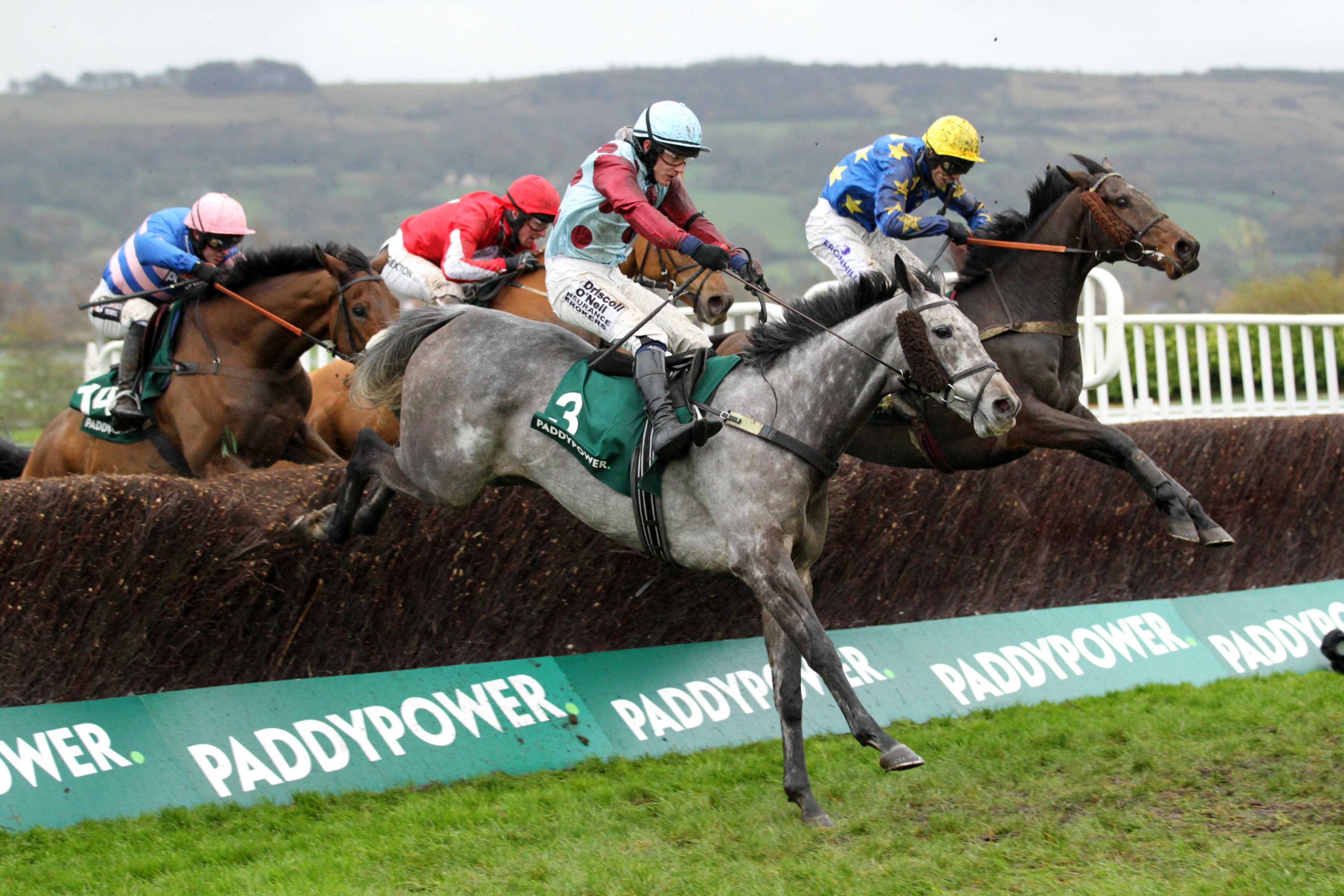
Paddy Power has sponsored ITV Racing since the turn of the year