
Get the ball rolling: Shining a spotlight on recent M&A in the bingo space
Following two major M&A bingo moves, EGR Intel explores how the vertical can use this as a springboard for growth, where its future lies outside the UK, and how to attract new customers


After a period of relative dormancy, bingo rose above the parapet to become a hot topic in Q4 2021 as two major acquisitions saw the vertical dominate industry headlines. Flutter Entertainment took the first plunge by signing off on a £402m deal for Sunderland-based, bingo-led operator Tombola to bring the UK’s largest independent bingo firm under its ever-growing umbrella of brands. Indeed, Flutter revealed how the UK accounts for over 80% of Tombola’s regulated revenue base and that the recreational bingo operator, which recorded revenue of £164m and EBITDA of £38.5m in the financial year to April 2021, boasts 400,000 average monthly players. Broadway Gaming followed swiftly in December with a $50m purchase of 888’s B2B (Dragonfish) and B2C bingo operations in a move which saw it replace Tombola as the top independent firm in the space. 888 offloading bingo to focus on casino and sports betting certainly raised eyebrows, as did the relatively modest sum involved. The general feeling among industry observers was that Broadway bagged itself quite the bargain for a proven business. The vertical, often regarded as the third or fourth pillar for operators, the unsexy standard that was always there, has had a shot of adrenaline and appears to be on the rise. With well-established brands such as Mecca Bingo, Entain’s Foxy Bingo and Gala Bingo also making an impact in the market, the vertical appears to be standing in good stead with the opportunity to grow.
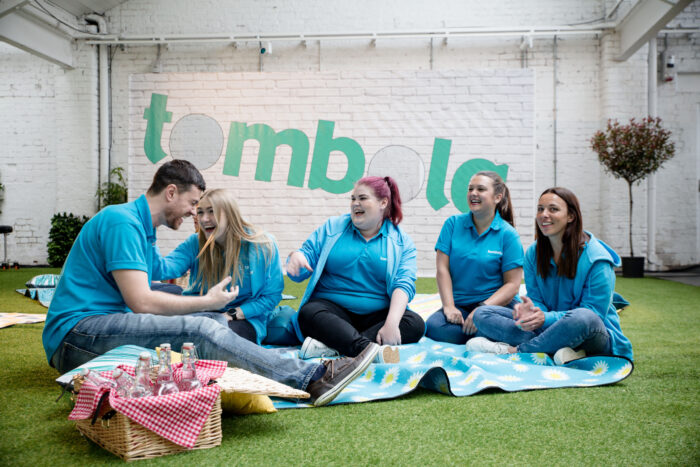
Flutter shelled out £402m for Sunderland-based Tombola
Who’s playing?
While casino and sports betting attract the eyeballs and wallets of punters, bingo has had a reliable clientele on tap for years in the shape of an older, generally more female, recreational audience. For Tombola’s new managing director, Ben Reilly, who was promoted from his role as Paddy Power Sports commercial director to lead the acquired bingo operator, the commitment of recreational customers is key to bingo’s past and future success as a vertical. Speaking to EGR Intel, Reilly says: “I think a lot of people may be surprised by the breadth of demographics that enjoy playing bingo with Tombola. We have an engaged player base with many customers active with the brand for multiple years – and that’s for a reason.” Customer acquisition is key and attracting a potentially alternative demographic to bingo is a question that has been pointed at operators to ensure revenue does not run stale, and as a potential cross-sell tool for other verticals. And while it is plain to see that the bingo demographic is wholly different to anything else on the market, there is not a desire from within the field to tread too far away from the customer base that has served it incredibly well. Broadway Gaming CEO David Butler, touching on 888’s decision to offload its bingo assets, notes: “The demographics of the bingo market are very different to that of sports, casino and poker. I think 888 made the decision that, at this point, it was non-core and they wanted to focus on other projects. They thought it was something that would be in better hands elsewhere and I think they were right.” 888’s decision to focus on non-bingo demographics, and potentially ridding itself of a cross-sell tool, is not an attitude replicated by Flutter, with Reilly arguing the onboarding of Tombola will only have a positive impact on total group operations. He adds: “From a Flutter perspective, the acquisition of Tombola allows us to reach recreational customers more effectively while further enhancing Flutter’s online gaming presence and growing both the bingo and arcade verticals.” However, the notion of bingo as a cross-sell tool has come under fire recently, with the industry accused of encouraging the female-heavy demographic into the more potentially harmful products like slots. Research recently conducted on behalf of Clean Up Gambling revealed that women had been targeted by bingo firms with hampers and vouchers in order to ramp up their spending after cross-selling to slots titles. The shift from low-level spend bingo players into high-rolling slots players is a dangerous proposition, although one of the firms named in the report, Mecca Bingo, denied bingo was used “inappropriately” as a gateway to slots. When pressed on whether there is a need to reshape the bingo audience in line with shifting igaming demographics, Reilly remains adamant that the faithful core will continue to prove fruitful, despite concerns. He continues: “I don’t believe a significant shift is needed any more so than in other gaming verticals. We are confident that we continue to grow market share, with a focus on recreational customers.”M&A masterplans
As Flutter and Broadway Gaming’s M&A machinations caught the sector’s attention, there is now a sense that the bingo space is set for a dramatic shift in both perception and popularity. For outsiders to the deals, such as MrQ founder Savvas Fellas, this burst of acquisition activity will have an impact both inside and outside the industry. “[Flutter’s acquisition of Tombola] should bring the spotlight back on bingo, which is great. And it might force people to focus on their own offering. People have been saying that when it comes to bingo, it’s dead. But buying Tombola for £402m, Flutter don’t seem to think so.” Spotlight is perhaps key here. Bingo holds its traditional retail roots which were impacted severely by the Covid-19 pandemic, causing shutters to be slammed down on venues across the country. The desired shift to online has not returned the same level of revenue for operators and the need to entice users to online offerings is of paramount importance moving forward. Fellas also poses the question to other operators with bingo offerings on how they will capitalise on this moment. Will they allow Flutter and Tombola to continue to dominate the space? Or will rivals’ hands be forced to become more innovative and shift their potentially stagnating vertical? Fellas continues: “Anyone running an operational business now in this space is going to be saying to themselves: ‘What do we do? What’s the gap between what Tombola do and what we do? How can we get more playful with the concept of a random number generator?’” MrQ has responded by building a picture bingo mechanic due to go live in Q1 2022 as it looks to differentiate its product offering, with Fellas also noting he hopes and expects the industry to follow in his footsteps. Questions were raised over Flutter’s plans for Tombola’s in-house tech stack and if it might be replicated across existing brands. The clamour for in-house tech is all the rage in the industry, and with Flutter adding further firepower, a transition to other brands would appear inevitable. However, Reilly reveals that Tombola will continue to operate as a standalone firm under the umbrella of Flutter and that there are no planned tech migrations for its other brands. He says: “We intend to operate the business on a largely standalone basis. Our current focus is on understanding the Tombola business and how we can best support growth there. There are no plans to change the offerings from other Flutter brands who will operate largely independently.” Alternatively for Butler, while the former 888 B2C brands, namely Wink Bingo, will play a key role in pushing the business ahead, the opportunity to leverage the Dragonfish B2B division and challenge the established elite in terms of bingo suppliers is a challenge to relish. Butler says: “In terms of B2B, we see this as a huge opportunity. When you look at which products there are, there is Pragmatic Play and Playtech. That is not a healthy state of affairs for competition and innovation. From a B2B perspective, we think there’s huge opportunity in the bingo product area.”
MrQ is looking to gain an edge through differentiation