
Bye Georgia? The impact of a clampdown on a market that punches above its weight
Why draft legislation will be a serious worry among local operators and international giants Flutter, Entain and Betsson

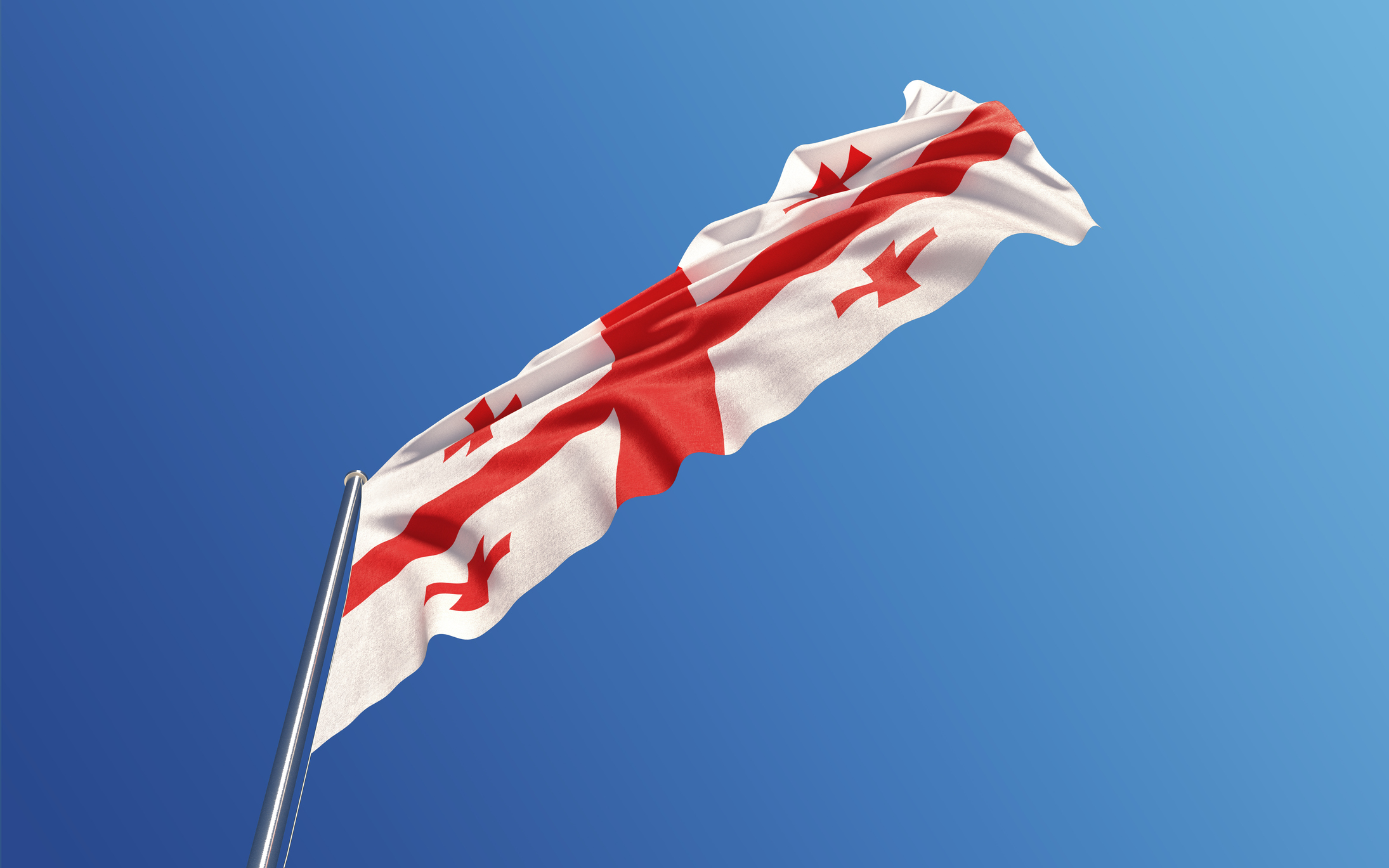
South of the Caucasus Mountains and on the Black Sea’s eastern edge, Georgia has long been a hotbed for commercial gambling, both offline and online. That inherent appetite for betting reached new heights in 2020 as government data revealed turnover hit more than GEL32bn (roughly £7.7bn going on today’s exchange rate) last year – a record high for the former Soviet state. The online segment is worth around €400m a year, according to a recent note by Regulus Partners, which equates to €110 per capita based on Georgia’s population of approximately 3.7 million. That means the inhabitants gamble more per person than those in the UK or Nordic countries, despite a GDP per capita of just $4,300. Around 27%, or one million people, gamble in the digital realm, Regulus Partners said. Online gambling is clearly big business in this Central Asian country. Now though, it seems that moves are afoot to clip the wings of an industry overseen by the country’s Revenue Service of the Ministry of Finance. These efforts are spearheaded by Prime Minister Irakli Garibashvili – a 39-year-old politician and member of the ruling Georgian Dream party who assumed the post last February for the second time – with his anti-gambling rhetoric of late and his desire expressed publicly to see online casinos being banned. Garibashvili insisted, when outlining his plans on 22 November, that GEL1.5bn is “drained out of the country through online casinos” to the “benefit of foreign economies”. “Our citizens, the youth, gamble every day and lose money,” he added. Details regarding the wide-reaching proposals – drawn up by Minister of Finance Lasha Khutsishvili in a bid to protect citizens from gambling-related harm – were initially sketchy, yet an announcement on 29 November involving Garibashvili and Khutsishvili shed (slightly) more light on the situation. As part of the clampdown, the legislation proposes that the sector’s overall tax base be hiked by 65%-70%. Right now, operators pay 15% on distributed profits (profits not reinvested in the business) for igaming and 7% on turnover when it comes to online sports betting. What’s more, there would also be a near-blanket ban on advertising, including TV and online, following the trend we have seen in certain European markets as governments, as well as the public to some extent, push back at gambling’s prevalence. However, Georgian operators would be able to display their logos via sponsorships, so the country’s top football division, Erovnuli Liga, could then suddenly become an attractive draw for gambling brands. Furthermore, gambling, and this includes online, would be off limits to the under-25s, although there would be an exception for foreign nationals, along with restrictions on money transfers abroad. The government said payment service providers would be required to block the transfer of funds to gambling companies outside the nation. With these measures part of an overarching plan to have online casinos outlawed (Garibashvili originally said online casinos will be banned altogether, “at a later stage”), an idea supported by the opposition party, the obvious fear is that it will eventually play into the hands of the black market. But did this attempt to curtail gambling catch industry observers off guard? “This proposal came as a surprise not only for us, but practically for everyone involved in the Georgian market that we know of,” reveals Ilya Machavariani, CEO and senior partner at boutique consulting firm 4H Agency.

Ilya Machavariani, 4H Agency