
Back at the helm: Betsson CEO on taking the operator to the next level
After a rocky year in the face of complex regulation, senior management shifts and low profit margins, Lindwall is determined to steer the operator back to higher growth
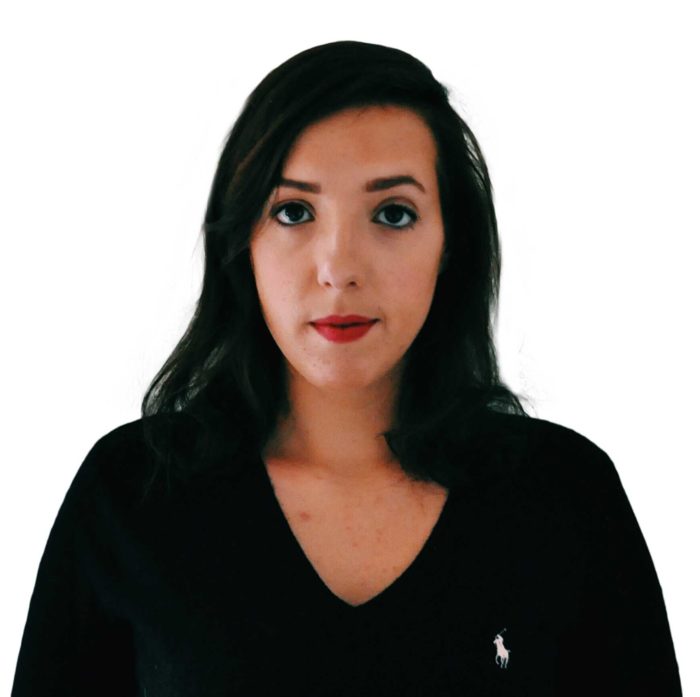
After two previous terms as CEO, Pontus Lindwall has once again returned to steady the Betsson ship and navigate the operator on a course for success. But this time round the long-serving chairman must steer Betsson into relatively unchartered territory.
The Stockholm-listed firm’s 2017 numbers painted a less than rosy picture of Betsson’s performance over the course of the year. Profit margins were down 4% on the previous 12 months and operating income slipped 7% to SEK882.2m (£78.8m), partly as a result of a negative contribution from recent acquisitions and increased marketing spend.
It wasn’t all bad news though. Revenues for the year were actually up 15% on the previous 12-month period, driven by positive sportsbook margins in the final quarter of 2017 and a solid online casino performance. However, Lindwall is rather modest about those achievements when he speaks to EGR Intel following the release of the operator’s full-year results in February.
“The performance from the company if you look at the year as a whole is not bad, but it’s not that good either,” the chief exec says. “We’ve had a lot of different achievements which is good for the future, but I think we could do even better and that is what I want to make sure of.”
Taking the bull by the horns
The operator faced a number of non-financial hurdles to overcome in 2017, not least a losing court battle with the Dutch regulator over its stringent new policy restricting operators from targeting local players. To rub even more salt into the wound, group president and CEO Ulrik Bengtsson left the company in the same month.
It was at that point that Lindwall swiftly stepped in once again as CEO. And his vision is to speed up momentum within the firm’s operations and unclutter the hierarchy to make way for a leaner and more agile structure.
“The board wanted to change things within the company. We have not been performing as well as we should for the past few years, we’ve been doing ok but we could do better and the board wanted to try out some new directions for the company,” Lindwall says of the movement that has already commenced.
“Being a bigger company, we think there is need for speed and we need to be a bit more agile in the way we work, so I want to implement structures to allow that to happen. I know a lot of companies in the internet industry in general which I have been speaking to, [including] Spotify, among others.”
However, in December, Betsson’s chief technology officer and chief product officer both left from the firm, and since then, Lindwall says responsibilities have been altered. “We have changed a lot and shifted responsibilities within the company to different units and persons who didn’t have that responsibility before. People will have to get used to this new situation and this new way of working and new responsibilities. I hope we’ll see results coming from this over time.”
A major facet of the restructuring has been streamlining operations within the firm’s Malta subsidiary where 160 members of staff were cut in February to improve efficiency and save an estimated £4.5m a year. Lindwall says the decision to cut back was not taken lightly and that any situation that results in people having to leave the company is always unfortunate.
“[But] if you see an obvious need to make something better then it’s really not a hard decision even if it’s sad to do that,” he adds. “We have no other plans to make changes like that. It’s about changing the way we work and becoming more effective with the structure we have.”
Steeped in gambling history
Lindwall shares a fascinating history with Betsson. Both can trace their roots back to the Cherry Group, which was co-founded by Lindwall’s father, and many years later acquired majority shares in NetEnt in 1998. Half a decade later the company invested in Betsson, which was started by current Cherry CEO Anders Holmgren.
As a result of Lindwall’s father’s influence in the establishment of Cherry, his background is clearly steeped in gambling industry inspiration. “I was brought up within the gaming industry,” he notes. “I’ve known gaming since I was born and that combination is what took me into this industry and why I decided in 1996 [to start the company as] NetEnt at the time. It was the new ability to combine casino and internet and this new technology which made me start it.”
Approximately 10 years later the company was split into Betsson and NetEnt. And in the two decades since joining ties with NetEnt, Betsson has grown to approximately 1,600 members of staff and a handful of operations in Malta and Stockholm, along with development hubs in Kiev and Budapest.
Lindwall initially took on the CEO role in 1998 upon founding what was then NetEnt. After 13 years in the role, he stepped aside to chair the board and welcomed Magnus Silfverberg to the leading position. Upon Silfverberg’s departure in 2015, Lindwall stepped in once again on an interim basis.
“I know the industry, I know the company and I also have experience in what I’ve been doing with the company beforehand,” the CEO says. “There are a lot of people in this industry who have worked with me and know what it’s like.”
Yet some industry analysts are claiming it is actually Betsson’s heritage of traditional gambling and mammoth scale that could hamper its future progress in the wake of more agile, mobile-dominant newcomers. Paul Leyland of Regulus Partners, for example, says Betsson will need to adapt its multi-brand gaming strategy, where it needs to enhance the competitiveness its offering in mature jurisdictions which are becoming more mobile-led and quality-conscious from a product perspective.
Meanwhile, another area of difficulty is the UK market, which Leyland describes as boasting “some of the best and innovative gaming operators which are either home-grown or third generation Nordic operators – the UK is the least forgiving market of a second rate offer globally”.
“I don’t have the view that we will be a really big player in the market compared to what we are in the Nordics for example,” Lindwall says to EGR. “The reason for that is the market is crowded and there are many companies that have been there for years. Moving in there and taking a big chunk of that market is just not realistic.”
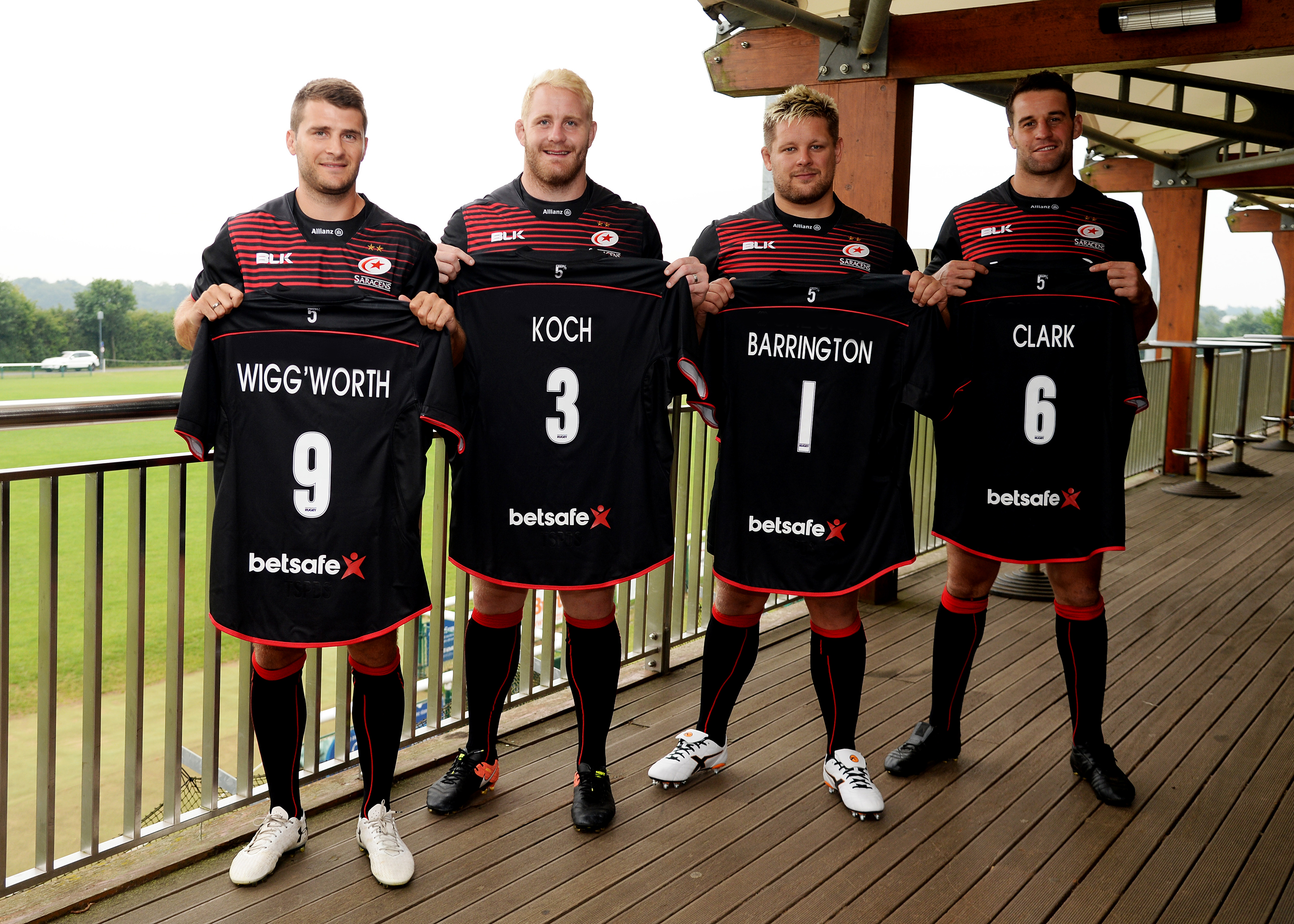
Nevertheless the firm made a marked effort to boost its presence in the UK in the sports betting arena in 2017 by initiating a host of major Betsafe marketing campaigns and bringing on board the likes of Manchester City, Tony Bellew and Conor McGregor as brand ambassadors.
And although it’s still too early to determine what the ROI for these campaigns might be, Lindwall is still content the firm has gained some meaningful momentum in the market. “It’s not an easy task [in the UK],” he reveals. “And from now on we’re going to step back a little bit and analyse what we’ve done and see what we will do in the future.”
Looking elsewhere
As a result, Lindwall is looking elsewhere in Europe, particularly in Spain, Italy and Sweden, to steer the company back towards higher growth rates. Indeed, he partly attributes the operator’s 42% growth in Western Europe in Q4 2017 to solid performance in Italy via the long-standing StarCasino.it brand. It also accounted for 6% more of Betsson’s overall revenues than in 2016.
Lindwall says this is the result of building up a solid Italian operation over time despite no major marketing push. “I think we’ve managed to create a good product there. We’re active for the time being in the casino space of the market, which we are quite good at and I think we do really well there.”
He says he has no ambition for Betsson to force its way into the Italian sports betting market, as it is largely overcrowded. However, plans to launch Betsson’s flagship sportsbook in the similarly thriving Spanish market were announced in the second half of 2017.
In H117, Betsson also acquired Spanish casino brand Premier Casino, but decided to re-brand the Spain-facing casino to StarCasino following the relative growth of the brand’s Italy-facing operation. However, the group recently re-branded the site to Betsson to reach a wider section of the Spanish audience.
“I think we have a good brand value for a position in the Spanish market and the Betsson.es brand is aiming for a wider selection of the market than Premier,” Lindwall says. “We’re going to be built up slowly by learning about the market and investing in a controlled manner to gain customers and hopefully gain market share.”
In the face of expanding its geographical reach, industry consultant Alun Bowden has previously said the operator is facing serious questions around its international profile and its ability to break into key regulated and near-regulated markets in a meaningful way.
He added: “The former may require some short-term pain and the latter may well lead to another major acquisition, with a regulated or near-regulated market sportsbook seeming to be the missing part of the puzzle. But they are fairly short in supply right now.”
Positive outlook
Lindwall’s outlook for the future is, on the whole, extremely positive. And while expansion is near the top of his to-do list, much of his personal investment in the firm revolves around a powerful belief in the ability of his staff, who he considers the core of the Betsson machine.
“I think we have great staff, a good structure within the company and a good foundation to build from, so I think we’re well equipped to become competitive within the industry. We just need to release the power of the organisation so we can move more quickly,” Lindwall notes.
“My philosophy is a lot about people. This is a company made up of people. We have no factories, no big machines that mill or build things. It’s about people so we need to recognise these people, allow them to exploit 100% of their own capacity in the company in order to succeed and help us to become a little bit quicker as a big company.”
Integral to this belief is maintaining optimum communication across all Betsson offices to ensure they are all on the same wavelength and promoting the Betssonite culture. But how difficult is it to keep an upbeat morale across the entire Betsson camp with an era of change occurring?
“That’s not a big challenge because when you implement that kind of thinking people in our company realise they will get more freedom and responsibility,” Lindwall relays. “This is in a way going back to the company culture we had a long time ago. I think most people find this a step in the right direction in terms of culture and management.”
Much of this culture stems from Betsson’s historic roots in the Nordics, a region which is in the midst of a major overhaul to its gambling sector. As a result, Lindwall is now eagerly anticipating upcoming regulation in Sweden, a market he and his staff should know better than most.
The Swedish dream
According to statistics collected by Swedish consultancy firm Mediavision, Betsson is the third most popular casino brand in the country and the second biggest group of online gambling subsidiaries based on its yearly revenues.
“Betsson is one of the strongest brands in this market and with our Swedish heritage we will be able to get decent market share,” Lindwall confirms. “Of course now it is being really saturated with so many different players in the market. I believe some of them will pull out when it becomes regulated and that will change the market dynamics and also we will be able to advertise in channels we have not been able to market before.”
However, Regulus’ Leyland has a somewhat less idyllic outlook of the potential Swedish market and notes both monopoly operators have large shares of the market and upcoming regulation will only serve to increase that. “They’re already paying tax and they’re already constrained when it comes to social responsibility related stuff,” he adds.
“The dot.com operators will then be faced with a number of regulations which they have not previously had to follow and we don’t really know what they’re going to look like yet. It is unlikely to be entirely the principal-based approach the UK takes because a lot of policy makers see too much risk and recent history is likely to be reinforcing conservative instincts in this area. Also you’ve got 18% duty coming in which is a pretty big proportion of Nordic free cash flow.”
Advertising in the country has been a relatively hot topic of late with the likes of LeoVegas, Kindred and Svenska Spel upping their marketing spend in the run up to the market opening. But despite Betsson’s attractive position, the operator has been slightly more cautious. Lindwall says it has not made a concerted marketing push in Sweden due to the intense long-running battle between brands, and he thinks the intensity will grow further as the 2019 date for regulation looms.
Betsson’s future success in a regulated Swedish market is arguably of even more importance against a relatively downbeat outlook from the analysts of its UK endeavours. Yet despite this narrative the firm has solidified its position as a top-10 operator in recent years, climbing one place above 888 in EGR’s Power 50 rankings in 2017 to ninth position.
Indeed, the operator still far outperformed many of its competitors during the first half of the year. And since shifting its focus it expects to reap upwards of SEK 50m a year in net savings, which will undoubtedly swing profit margins back into a stable position.
If Lindwall’s history of steering the company out of choppy waters is anything to go by, the operator is likely to start seeing results by the second half of 2018. But given the general optimism of the board, it seems the tide is already turning.