
Is William Hill turning a corner?
The operator's Q3 trading update showed some positive signs for the online giant, but the pace of change needs to accelerate to stop it being left behind

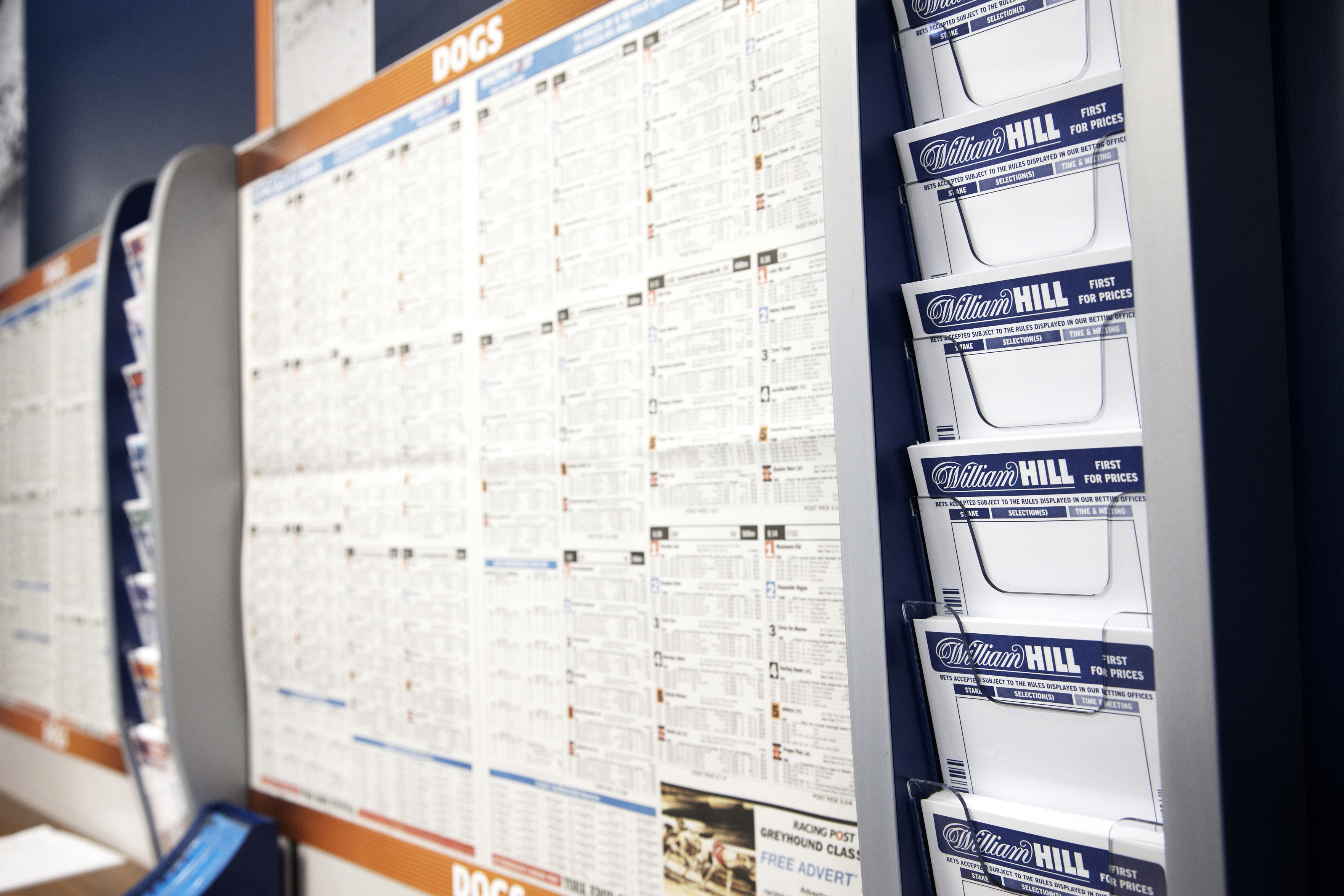
William Hill announced a return to growth yesterday in its Q3 results, although as grand comebacks go this came with a rather muted fanfare. Online net revenue rose 4% in the period, led by an 11% rise in sportsbook revenue, but gaming revenue fell 2% and UK revenues appeared to also have dipped.
Hills notably pointed to a 4% rise in amounts wagered in the UK, while Italy and Spain posted 16% net revenue growth in the same period on a local currency basis. With the combined UK, Italy and Spain region posting 2% overall growth it’s hard to see how UK revenues didn’t flat line at best in the period.
And this should be a concern for anyone hoping for a quick turnaround at Hills. Ladbrokes’ growth in the period was 32.7% while Paddy Power Betfair rose 15% in constant currency, albeit from a far higher base. Other operators such as Unibet also hinted at strong growth.
Trouble at home
Interestingly, in Spain and Italy William Hill benefitted more from structural growth in those countries in the period, but in the UK is appears it continues to struggle to keep up with wider market trends. At the present time it’s not at the cutting edge â despite recent improvements – in either product or marketing and it faces competition from peers pushing the boundaries in both.
Philip Bowcock, interim CEO, pointed specifically to the UX challenges Hills continues to face with its products in the results announcement. But the impression given was of a corner turned. “Online has returned to wagering growth in the UK following significant enhancements to our mobile Sportsbook in Q2 and we are making good progress on the gaming and user experience improvements in H2. We will complete the heavy lifting on online’s changes in Q1,” he said.
He added that with “significantly improved products and user experience” the firm was “confident that this is the right time to invest further in our online business”. This will include £15m of efficiency savings from wasted digital marketing spend that can be reinvested in growing the top line of the business. And it was encouraging to hear the firm talk of significant improvements in measuring marketing efficiencies with improved customer metrics.
But there is little doubt Hills is still in the middle of a transition here, rather than at the end of one.
Playing catch-up
Bowcock was not surprisingly keen to stress the positives in the analyst call. “Online is still early days, but sportsbook wagering is growing again. If we strip out telephone, growth is up 6%,’ he said. But it’s worth noting this was all against a weak comparative period where Hills posted a 3% drop in online revenue and a 9% fall in sportsbook revenues. And crucially gaming dropped 2% in Q3 16.
Gaming remains the jewel in the crown of Hills’ online empire, but faced pressure from declining revenues in the Playtech-powered Casino brand in H1. Internal focus shifted to the in-house Vegas brand some time ago – and work is underway there on a lobby redesign and tighter integration with the sportsbook app – but outgrowing decline in Casino places an additional challenge in an already hugely competitive vertical.
“Our main H2 priorities continue to focus on improving the gaming offering and the user experience around key customer journeys, and the optimisation of our marketing investment. Work is progressing well on the gaming site redesigns, changes to bonusing, VIP management, content and cross-sell for each of the gaming platforms,” Bowcock said in a prepared statement.
Getting gaming back to growth will be a core priority, but it’s all part of a wider, larger shift in perspective from short-term revenue gains towards a sustainable technology-driven business that benefits from data-led marketing. In short Hills is making a huge effort to drag its business into the modern age, and early signs suggest it may be working.
Making it pay
Although it didn’t break down player metrics by vertical, the quality of active players was said to be “improving” with average revenue per user (ARPU) up with a 65% jump in monthly yield from newly acquired players and a 42% increase in retention rates. ARPU was also 16% higher in H2 to date and average wagering per sportsbook active has increased 17%.
This is testament to the work Crispin Nieboer and his team have been doing in improving marketing, customer analysis and CRM. It’s a huge overhaul and it will take time for the benefits to be felt throughout the business, but it’s work that is crucial to the success of the business.
“With the improving top line trends, we have seen a return to year-on-year growth in operating profit in H2 to date. Our focus is on accelerating growth in 2017, particularly in our core UK market,” Bowcock said. It will need to move quickly, however, because its peers are already motoring away. And the egaming sector can move at a pace that can leave one-time leaders in the dust.
It would be foolish, however, to write off William Hill just yet. This remains a huge online business that could quickly regain its position as a leader in egaming and there is every indication it’s making the right moves to put itself back at the top. The question is how long the transition will take.
There are signs William Hill may have turned a corner, but it still may be some time before it’s firmly back on the straight and narrow.