
eSports and the game of two halves
Betting on eSports divides opinion, but could recent moves towards more regulation of the sector benefit the industry?

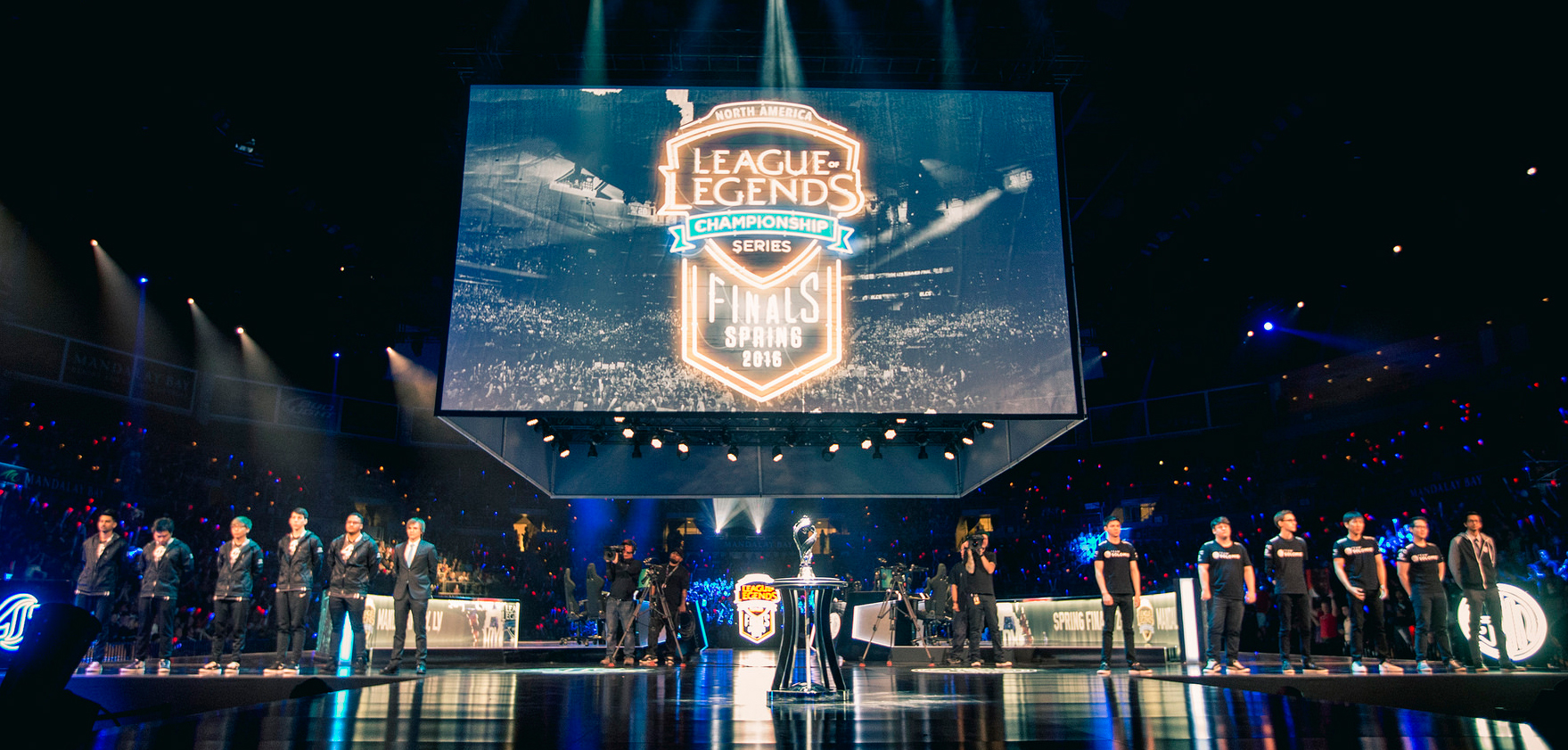
The world of eSports has been making headlines over the past week, as stakeholders and regulators begin to take a closer look at the betting culture that’s grown up around the completive gaming market. And watching closely on is an online gambling industry that is still deeply divided about the value of this huge and hugely confusing new sector.
Operator views appear to neatly diverge into those who think it will be a niche sport that fits in as part of broader sports betting portfolio and those who think it will be a huge sub-vertical in its own right. One industry exec noted that while he supports Chelsea his son might grow up to support an eSports team in exactly the same way, and it’s not a huge leap of logic.
The best eSports players are TV stars, they play in big stadiums and the prize money is massive. And crucially it’s a market where gambling is already embedded. A recent article in Mashable on the CS:GO skin betting shutdowns contains a line that could come straight from the egaming marketing handbook: “Some viewers may only tune in to certain games because they enjoy betting on them.”
But it is something of a leap of faith, and the caution among some of his peers for a sector that looks and feels like it should be an easy adjacent move is understandable. It’s perhaps even wise when bearing in mind how many aborted social casino projects were quietly shuttered in 2014-15.
Sizing it up
Opinion is not divided on the current worth of the market. It’s still pretty small. Most operators place eSports as a top ten sport in terms of revenue, but it’s worth noting that after the top two (horse racing and football) there is a huge drop off in revenue. While there are substantial local variations in the remainder of the top 10 generally that will place eSports at a low single digit percentage of revenue at best.
Chris Grove, the author of a major report on the eSports sector for Eilers & Krejcik Gaming and Narus Advisors, estimates the current turnover at US$550m annually, suggesting around $50m in annual revenue globally. But crucially he also points to the rather more grey skins betting market, where we’ve seen recent moves to close down sites, as being worth up to 15 times as much.
And it’s here where operators are seeing the potential. A generation of eSports fans raised on a culture of gambling embedded into the enjoyment of the sport presents a rather obvious opportunity. What’s perhaps at the heart of the divergence of views is the location of most eSports bettors. Grove cites Russia, the USA, China and South Korea as the major markets currently, with far more modest interest in regulated Europe.
So its perhaps less of a surprise to see private operators such as Pinnacle and Betway emerging as prime examples of operators who are backing the potential of eSports. Betway has set up a dedicated micro-site aimed at this new generation of gamblers, and Pinnacle has a dedicated eSports Hub within its main site. But now added to that list is the Paddy Power Betfair owned Sportsbet brand, which launched a dedicated eSports betting product earlier this month.
Sportsbet’s Respawn contains live streaming of major eSports tournaments alongside statistics, betting odds and upcoming tournament information. “It brings together an extremely fast live stream of some of the biggest global eSports tournaments,” Sportsbet spokesperson, Christian Jantzen, said. It’s a clear play to take on the huge existing skin betting market, and bring players already gambling on eSports into a regulated environment.
Skin in the game
Valve’s recent move to send cease and desist letters to 23 sites using its distribution platform to offer betting on one of its games, CS:GO, on the back of growing talk of match-fixing is likely to be the first in a series of moves to crack down on this side of the business. The sites in question, known as skin betting sites, operate in a very grey legal area and have few if any of the protections offered by egaming operators.
So it was no surprise to see the GB Gambling Commission highlight eSports as a market of interest in its annual report. “The growing market in eSports and computer gaming has scope to present issues for regulation and player protection,” Gambling Commission CEO Sarah Harrison said. “These issues range from the emergence of real-money eSports betting markets, to trading in-game items which blur the lines between gambling and social gaming.
Unsurprisingly too the news has been welcomed by those operators who are betting on eSports being the next big thing. “This announcement isn’t the ‘end of eSports betting’ but in fact the beginning,” said Alan Alger a spokesperson for Betway, which runs a dedicated eSports betting portal. And it’s easy to follow the logic, as the market demand has been created.
Rahul Sood from eSports betting site Unikrn said it was an announcement they’d been waiting for. “There is a market here, a legitimate market for betting on esports and video games. It should be regulated, it should be licensed, it should have oversight. We will continue legitimising this space while advocating for the community,” Sood said.
The obvious question, however, is just what this skin betting market consists of. Is it a predominately underage and/or US and China-based audience incapable of making the shift to mainstream gambling sites? Or is it a growing, grown-up global market that is ready to make the shift to more legitimate mainstream sites?
If the egaming sector can seize on the opportunity presented here of showing how gambling can be an integral, clean and regulated addition to the world of eSports it could mean a rapid end to the debate on the potential of this market. The demand is there, the question now is really can anyone legitimately serve it?