
Q&A: Winamax on turning online poker's fortunes around
Jimmy Le Tissier, business development manager at the French operator, discusses the importance of innovation and attempts to sportify poker
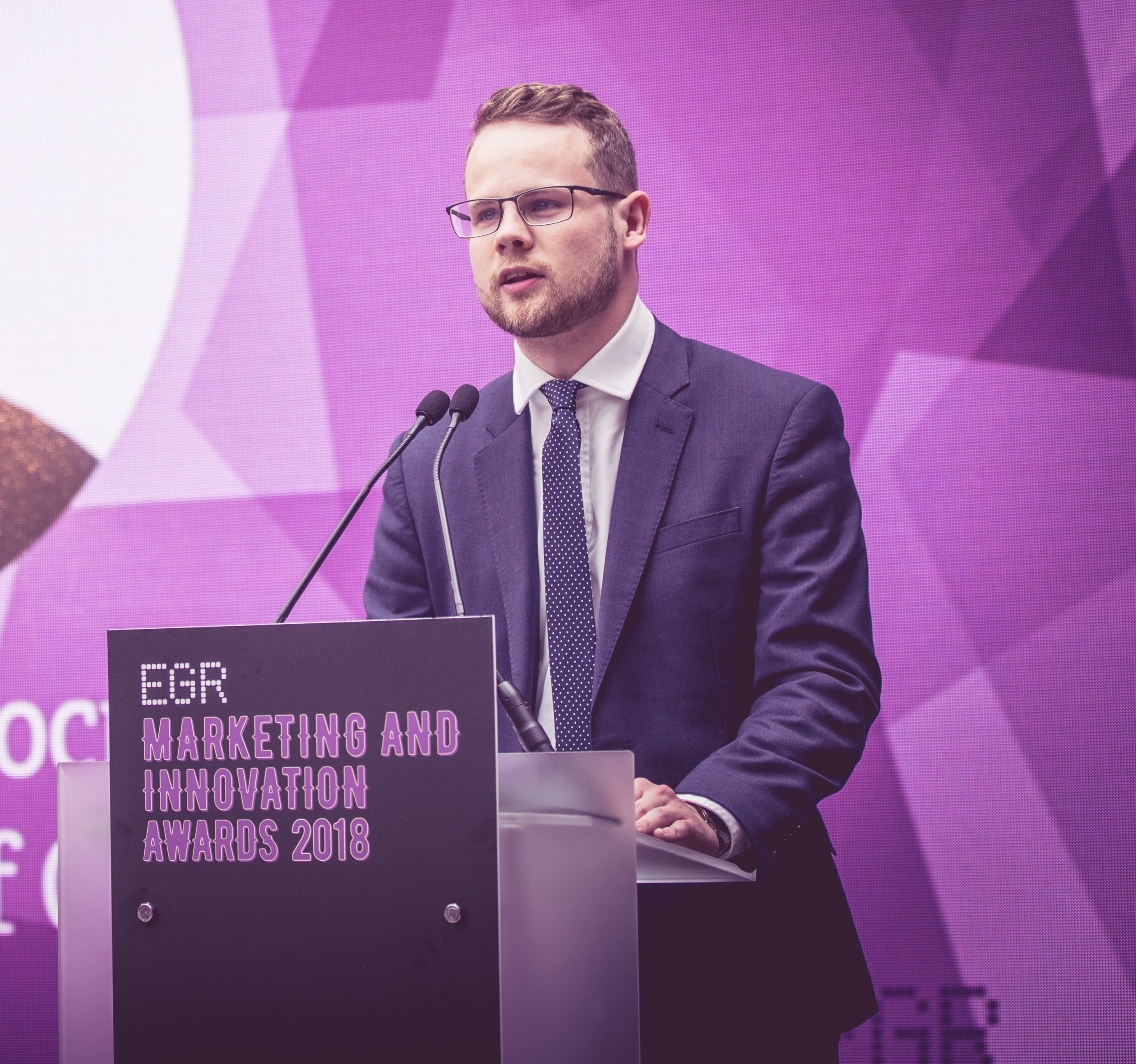
French operator Winamax has been at the forefront of attempts to rejuvenate the fortunes of the online poker industry in recent years, leading the way with innovative propositions such as Guns&Glory and the critically acclaimed three-handed Sit&Go game Expresso. But while its Expresso format has been much copied it remains one of the few firms pushing the envelope in an increasingly contracting vertical. eGaming Review spoke to the firm’s business development manager, Jimmy Le Tissier, to talk about the need for more innovation in the vertical and whether poker can ever regain its former glories.
eGaming Review (eGR): Why do you think global online poker traffic and revenues are on the decline currently?
Jimmy Le Tissier (JLT): It’s important to note that cash games are suffering more than tournaments. The relatively heavy taxation imposed by certain countries, improving skill levels among all players at medium to high limits and a lack of major innovation are all detrimental to this game format. It’s up to us to understand these dynamics in order to evolve our product in the right direction and bring players back to the cash game tables.
eGR: Do you think poker has stopped being fun?
JLT: Poker has most certainly not stopped being fun, as proven by our latest innovations such as Expresso, Guns & Glory Gangs and Short Track. These new game types have given an extra dynamic to our regular offering, without cannibalising it, and are a gateway for new players to discover poker. The most important thing for us is to concentrate our efforts on our most promising projects, so as not to waste time or energy, in order to always be in tune with the expectations of our players.
Winamax has always favoured the community aspect of the game, with sharing and conviviality. These values are an integral part of our DNA. They allow us to stay in permanent contact with our players, who let us know their opinions and desires, meaning we can get feedback direct from the source. It’s thanks to their input that we improve our product on a daily basis.
eGR: Why have many operators struggled to make poker work on mobile and what can be done to change this?
JLT: Mobile adapts well to the regular product but also offers the possibility of developing new formats that are more in line with its own intrinsic qualities. Players who are travelling have limited time to play but still hope to win big prizes, while enjoying a fun game with other people. It’s up to us to cater to them.
eGR: Is there enough innovation in online poker?
JLT: There are plenty of innovations in online poker, which, let’s not forget, is still a young industry and subject to many legal constraints. By creating the Expresso game type and the very first electro-poker festival SISMIX, Winamax has done its part in bringing a real wave of freshness to the poker world. As we can see, the Expresso game type has been copied by almost every other operator, demonstrating that it is an undisputable innovative success.
eGR: What is your opinion on attempts to turn poker into a sport?
JLT: Tournament poker is constantly growing, with annual entry fees now exceeding a billion dollars. With an ad-hoc structure governing game standards and good exposure in influential media, tournament poker could reach a new milestone and entice new advertisers and investors. Additionally, in 1999, the CIO classed chess as a sport. Given the many communal aspects these games share and how poker is now regularly present in mainstream media, why not sportify it?
eGR: Where do you think poker will be within the next two to three years? Will it have changed for the better?
JLT: Technology is constantly evolving and so are legal frameworks as well as the players’ desires. Therefore I suggest we speak again in two or three years.