
Betting on the future: How tech moves the world’s markets
Scott Shechtman, head of new markets at Nasdaq, on what the betting industry can learn from financial trading technology

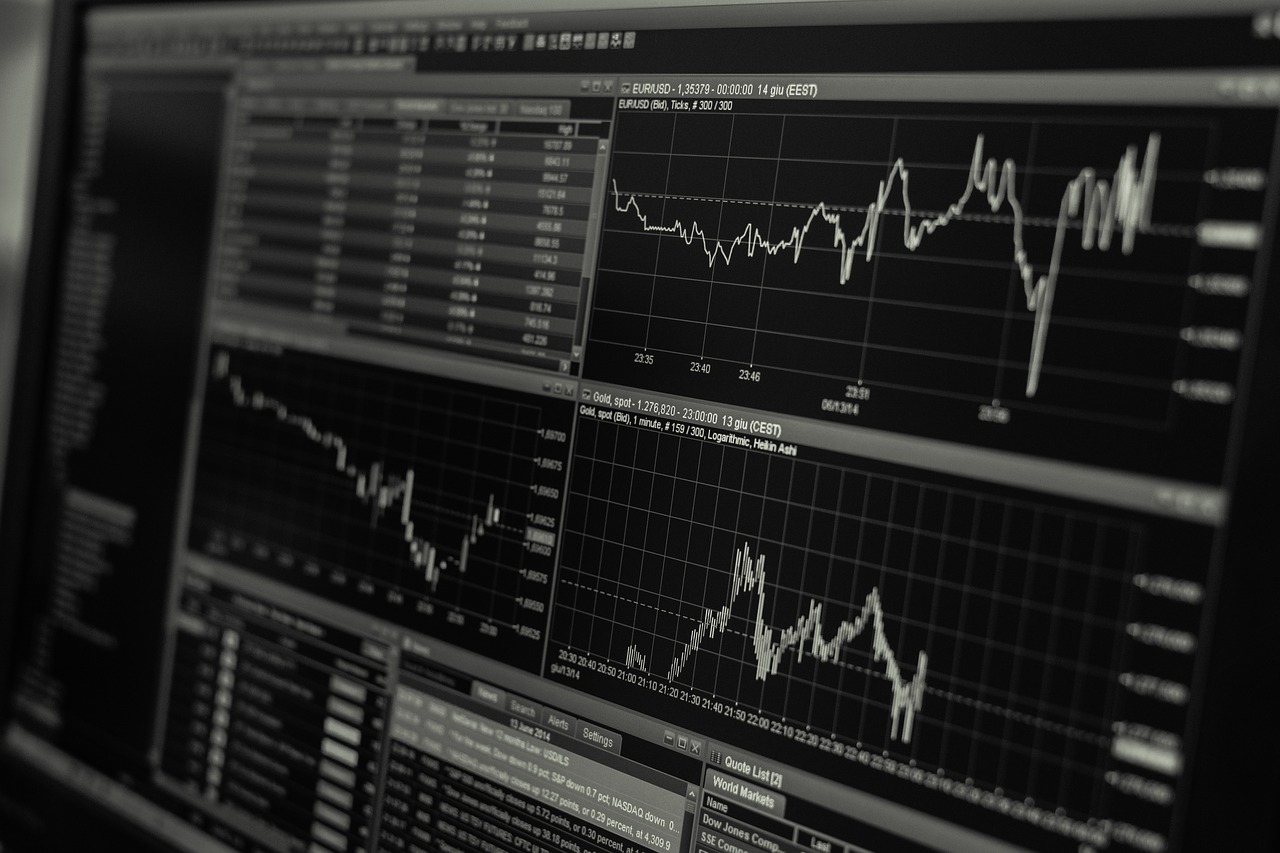
Betting companies do not have it easy. Competition is fierce. They operate in a highly complex and demanding environment focused on wide ranging priorities like customer acquisition, user experience, regulation, risk management, and the technology that makes these possible. But what if there were another industry that had already tackled similar challenges at a larger scale and from which solutions could be borrowed?
A look back through history should help to illustrate the point. The world’s first IPO took place in 1602 when the Dutch East India Company raised 6.5 million guilders by selling shares to the public. The buying and selling of those shares at a building in Amsterdam after the initial offering is said to represent the world’s first formal stock exchange.
Meanwhile, the world’s first bookmaker is recognised to be Harry Ogden, who in 1790 on Newmarket Heath studied the horses and came up with the novel idea of offering odds based on their chances of winning. While not as successful as The Dutch East India Company, it’s said that he raised a few guilders as well.
Thus, we can trace the origins of stock markets back over 400 years and the origins of bookmaking roughly half as far, but things have evolved quite a bit since then. The first electronic stock market (Nasdaq) was founded in 1971 and today trading is conducted not simply by people using computers, but largely by the computers themselves, with trading volumes in the US alone in the tens of billions of transactions per day.
The first online sports betting site came 25 years later. Through the rise of application programming interfaces (APIs), exchange betting, mobile and in-play, betting volumes have followed a similar pattern and continued to grow rapidly. Based on this parallel evolution, it stands to reason that wagering operators could learn a thing or two from exchange operators.
While both of these industries can be brutally competitive, bookmaking platforms have not yet needed to match the staggering amounts invested in the capital markets to increase throughput and reduce latency in an ecosystem where the fastest market is the one that wins the trade. To put this into perspective, the fastest exchanges can now pass millions of orders per second through systems tuned to offer response times measured in microseconds.
Trading places
These standards are orders of magnitude more demanding than those required by even the largest wagering operators for whom broader legalisation, industry consolidation, and a proliferation of data feeds are straining the capacity of systems built for a prior era. Betting markets have reached a point where they could benefit greatly from the transaction processing capabilities of financial markets.
Beyond simple inflations in the volume of transactions, bookmakers face ever-increasing data processing demands. Traditionally, live odds have been automated using a few hundred data points over a 90-minute match. However, revolutionary new methods for capturing sports data, including wearable technology and optical tracking, mean that soon bookmakers could be offered terabytes of streaming data each day.
Another hurdle facing betting operators is increasing regulation. Regulators in many gaming markets are busy catching up with 25 years of internet evolution, seeking to protect both customers and the integrity of sport, as well as clamp down on potential opportunities for money laundering and, of course, secure tax revenues.
The financial industry has seen all of this before, the best recent example being in reaction to the 2008 financial crisis. This has spurred the global markets to revamp their operations to address rules and obligations from the regulators. One particular area includes implementing better compliance and surveillance technology solutions to improve market transparency and detect abuse. These solutions continue to evolve, incorporating new technologies such as machine learning and behavioural analytics to bolster the compliance function and show regulators that market participants are serious about creating a safe trading environment for investors.
The future of both the capital and the betting markets will require continued technological advancement while making huge concessions to regulatory demands. Providers of capital markets technology will continue to spend billions keeping pace. For betting operators, there’s significant opportunity to tap into the progress and innovation made in the capital markets to build and evolve their systems for the future.

Scott Shechtman is head of new markets and president of Longitude at Nasdaq. In addition to being an owner and operator of marketplaces, Nasdaq is a B2B supplier to more than 250 of the world’s financial marketplaces and financial market participants in over 50 countries.