
Opinion: Casino coming of age
Intertain's CMO Peter Marcus explains how innovation is driving growth in the casino sector
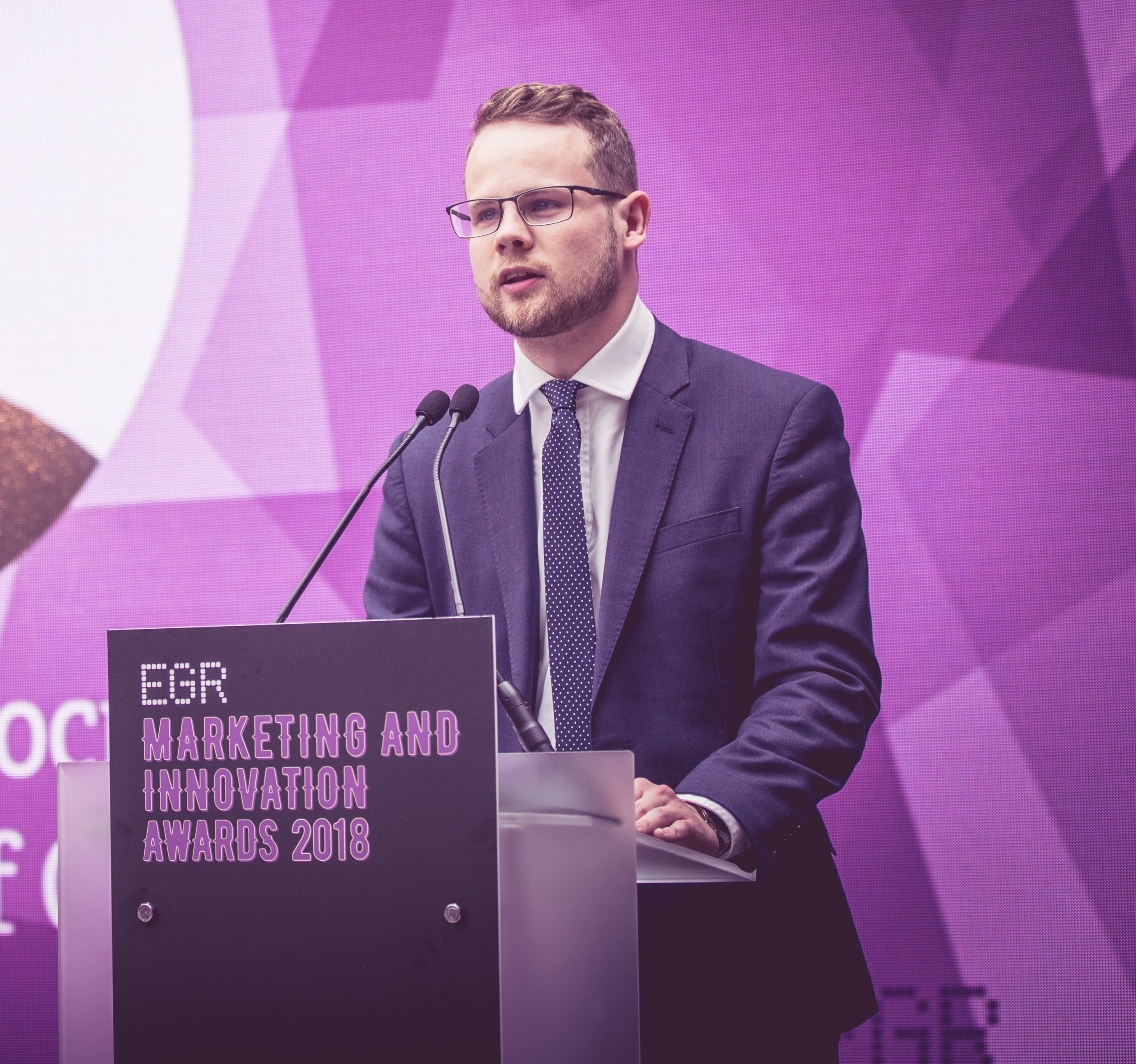
I was asked to write on the topic of innovation in casino, so I guess what is expected of me is to lament the fact that nothing new has come from casino over the past year or so, and to question how that can be in such a competitive market place. Well, I am going to surprise eGR readers, and even myself. I do not agree that there has been a lack of innovation in casino. In fact, there have been some really interesting ideas over the past year, but unfortunately there has just not been one truly revolutionary idea.
Let me start by saying that innovation is not as easy for a casino as it is for say sports or poker. Basically casino players want to play their game – be it blackjack, roulette or slots – and get some bonus money or cash back. Indeed the greatest marketing challenge in casino, as any CRM manager will tell you, is what to write about as you have to invent promotions and excitement from a relative constant (deposit match bonus).
Sure there have been some major casino innovations in the past, such as branded slots (although the land-based guys were doing it for years), player points (again, a staple of Vegas), and exciting multilayer skilled bonus rounds, just like land-based. Up to now, to be honest, all we have done in online is copy what one can do on land-based and, given the more powerful computers we have at home, that has become attainable.
Yet something changed a couple of years back: the game providers and operators alike started to think outside the box. Tablet was the catalyst as it opened up new ways to interact with the game, with features like shake and spin, multiview games (as you turn the tablet round), 3D effects and surround sound all possible.
Talking a new game
In addition to this, as everyone was – in essence – doing the same promotions with a different wrapper, the marketing guys got smarter too. Optimove allowed for detailed segmentation within the staffing constraints of the operator, while behavioural analysis tools came onto the market to try and understand a player’s lifetime potential and what offers would best retain them. This was ï¬rst tried out in the mobile phone industry and is ideal for targeting speciï¬c players.
Push chat technology has become far better. It’s less intrusive and more serviceorientated, yet still pushing for more deposits. This may not be sexy innovation, but it is innovation of the back office designed to maximise player growth in a very crowded market. I am now even seeing promotional innovation such as interactive leader boards that really create a sense of competition in the player community to want to get higher up the board.
But that’s not all, there are a plethora of new small game developers and new innovation departments in existing software houses. They are working with new insight, new mobile technology and lessons from community gaming and social gaming companies to come up with new bonus rounds, new interactive features and new engagement ideas to keep the player playing longer.
What’s more, with far easier API integration possible, operators can get these games quickly without long integration cycles so consumers get ever greater game choice from the operator. Vera&John now has over 600 games to play to suit all needs and tastes.
So while it may not look like innovation in the same way that in-play, cash out or rush poker does there has for sure been small subtle progress both in games, platforms and promotions, which is why the casino market continues to grow. And in my view, this type of innovation is actually more sustainable for long-term growth in this sector.