
A social media case study
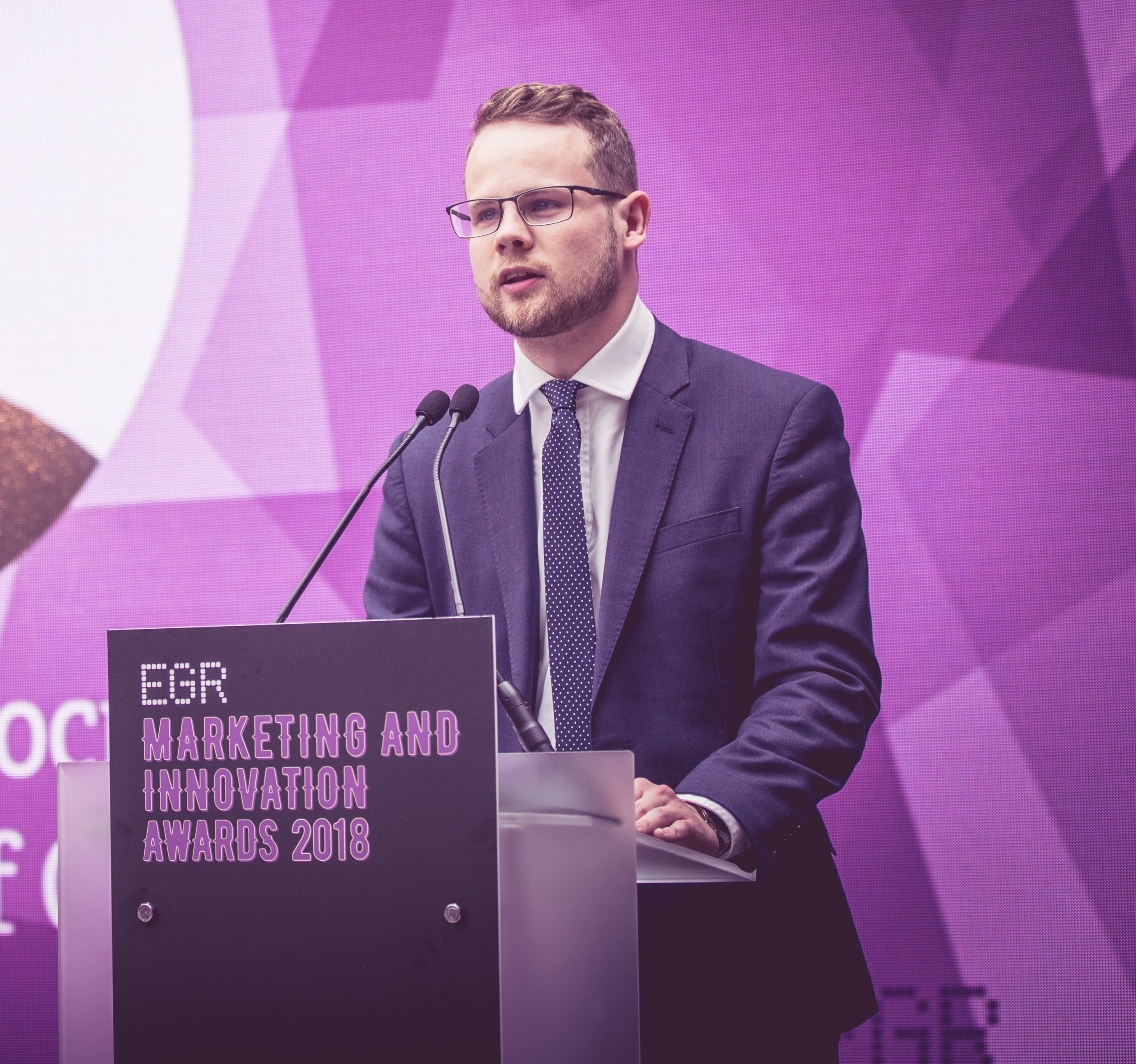

Egaming consultant Robert Pender uses the Royal Ascot to show how marketers are failing to optimise the social media opportunities presented by popular sporting events
Nearly 300,000 people congregated at the prestigious ï¬ve-day Royal Ascot festival in June. In excess of 300,000 posts were made on Twitter and Instagram alone, referencing the festival explicitly, which generated 3.6 billion potential impressions. Thatâs a lot of eyes.
Yet again, however, bookmakers and sponsors failed to capitalise on the thrilling buzz of the day, which is subsequently shared by attendees via social media. Put simply, bookmakers and sponsors are not optimising the abundance of opportunities offered to them by the consumer to enhance the enjoyment of the day they experience with friends and family.
A question that ï¬rst needs answering is do consumers even want companies engaging in their conversations on social platforms? A public post is just that, and can be viewed by anyone. Therefore consumers should expect anyone to engage in conversations posted on public networks. While they may not anticipate an unsolicited approach from a business, will people mind receiving a post from a company so long as it is both relevant to the consumerâs conversation and it enhances the experience?
Context is vital to achieving these two points. Social media analytical tools such as Crimson Hexagon allow brands to wrap context around the social data. Proactive businesses couldâve targeted potential customers by engaging in social conversation with them and planning targeted offers to speciï¬c groups or individuals.
As the festival drew ever closer, attendees were providing businesses with invaluable, complimentary insight, excitedly discussing when they were going and citing their speciï¬c interests. Brands were almost spoon-fed interaction opportunities, but there was no one home to the many hordes of potential customers.
On Instagram alone, there were more than 2,500 photos posted about Royal Ascot that included #hat or #hats, while over 700 included #friends. What bookies and sponsors are failing to realise is that a vast amount of attendees also experience the day via social platforms. Businesses may well have had employees on the ground, offering incentives to passers-by. Yet, with a potential of 3.6 billion impressions, very little attention is given to enticing the attendees via a social channel.
Experience, experience, experience
By wrapping context around the social data, speciï¬c groups of Royal Ascot attendees could have been targeted on social media, enabling the brandâs messaging to be relevant to that speciï¬c customer. If your business strategy is to target ï¬rst-time goers to the event, for example, then it is extremely easy to establish and extract the data that matches such criteria.
Alternatively, a business may want to target visitors based on their social media psychographic proï¬le, for example their other interests, what they post about and what they read about. Existing and potential customers continue to expose their social digital footprint to businesses. By painting a more holistic picture of the customer, the message has a greater chance of resonating. Providing the strategies and approaches are well-constructed and delivered, engagement opportunities are in abundance for creative thinkers.
What weâve witnessed is by no means isolated. The very businesses that invest huge sums to have a presence at such a prestigious event are failing to monitor the social media landscape in the buildup, during and aï¬ er the festival. As the gambling sector continues to invest heavily in analytics and personalisation, consumers are almost laying bare their interests and providing brands with immediate calls to action. By failing to optimise their presence on social media, they are haemorrhaging opportunities to spread brand awareness, build loyalty and ultimately increase revenue.
All data and statistics contained in this article were provided by social media analytics company Crimson Hexagon.