
Trading places: How ASX plans to use its European roots to crack the US fantasy market
EGR North America chats to sports betting brand ambassador Paddy Power about his new American Sports Exchange (ASX) startup business and its ambitions to break the fantasy dominance of DraftKings and FanDuel

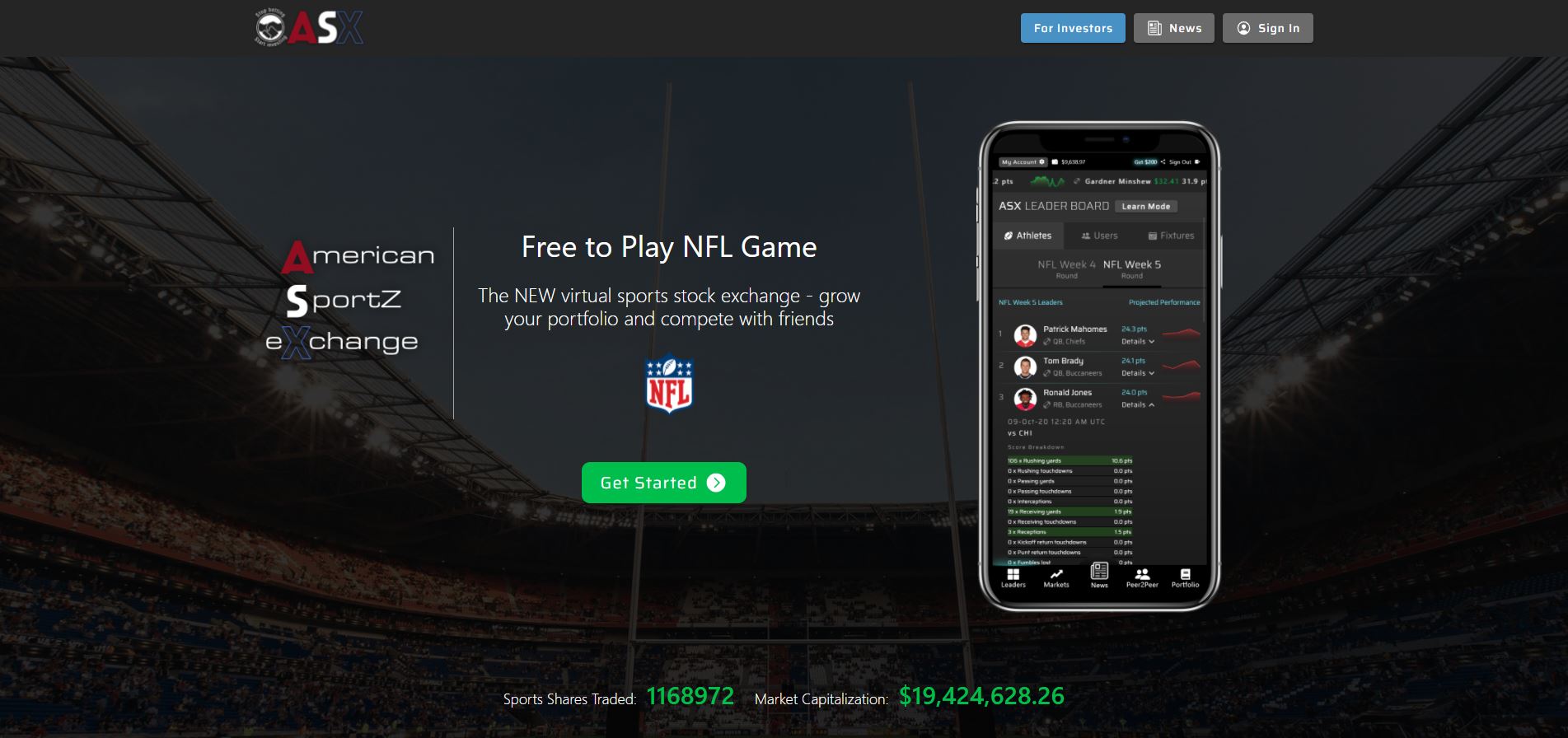
A rich pantheon of firms have already made the leap across the Atlantic headlong into the US market, with more undoubtedly set to follow. The latest of these is an old hand in Europe, Paddy Power and his new startup business American Sports Exchange (ASX), which is aiming to bring a new kind of sports trading and social game to US sports bettors. The firm has attracted more than €1.5m in crowdfunding-based investments in two oversubscribed funding rounds.
Here Power discusses how a European mindset and attitude might help the fledgling business carve out a niche in sports betting’s most competitive market.
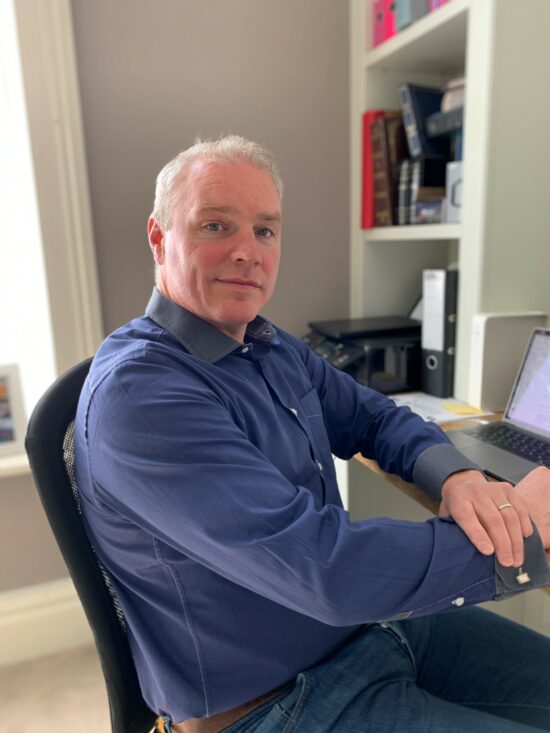
EGR North America (EGR NA): The US is already a crowded sports betting market populated by several big operators, how do you plan to enter the market and what is ASX’s key differentiator?
Paddy Power (PP): Yes, the US is a very crowded market, it’s growing fast and there is a lot of consolidation, but I think there is plenty of space in the market for innovation and new products. Everyone is very interested in anything new and engaging which works and adds value, and now it is like all the media companies are almost trying to become betting companies and all the betting companies are trying to become media companies. It is just a bit all over the shop at the moment. It’ll settle at some stage but at the minute it’s in something of a state of constant flux.One of the scariest things would be how the hell do you come in and even make a ripple in a market that big? I totally get that and that is one of the things you worry about.
That is why the Hype Accelerator programme has been so important for us, because it has given us access to Sinclair media to DAZN to big franchises themselves, to leagues, where you are in partnership discussions with these sorts of people. You are very small and very early stage and you are trying to develop pilot schemes and get them to buy into the vision and come along with you, but they’ve committed to doing that by being a part of and supporting the Hype scheme. So, we are going to a listening willing audience. We are not banging on the door and saying, ‘Hey, look at what we’ve got to sell,’ which is really is a much better place to start from. The one problem with that strategy, as a partnership strategy, is that it can play into their timelines. We are obviously in a rush here. We really want to go because we are an early company and momentum is everything. We’re just all busy doing as much as possible so with this in mind you don’t want to be playing to somebody else’s timeline. We are also pursuing a straight-to-consumer strategy too which all just helps get to the next stage. This is all just a big race to get us to the next funding round, which is just about building metrics and proving the concept and re-proving the concept. It’s about being able to then put a value on it properly, get some proper forms behind it, and then develop it from there.
As a lot of the bigger companies spend some time on developing their own products, they are in a rush and they’re growing at such a pace, sometimes it’s easier if we come to them with a proven plan. They do not have to start from scratch. We will come along and say, ‘Well, we’ve proven this, and we can scale it in such a way.’ I think that is a big opportunity for us and for lots of other companies too, because that is where these massive companies are looking for products and tools all the time and they can’t develop them all themselves.