
GambleAware launches gambling harm prevention campaign aimed at women
New study shows up to one million women could be at risk from problem gambling in Britain

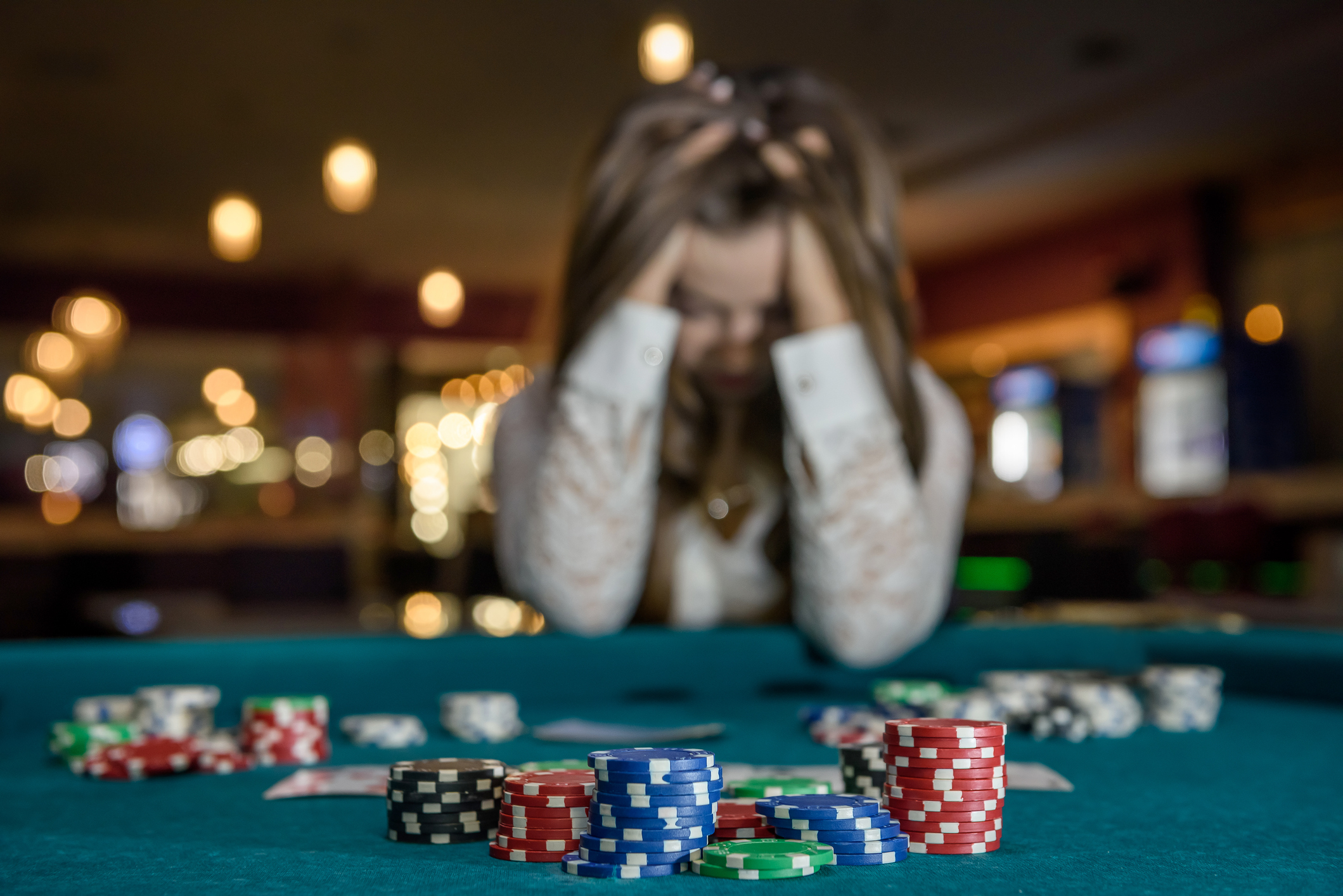
GambleAware has today launched a new campaign highlighting critical early warning signs of problem gambling as new analysis shows up to one million women in Britain could be at risk from gambling harms.
The analysis suggests almost two in five (39%) of women experiencing high levels of harm are likely to refrain from seeking help or treatment due to perceived stigma or shame surrounding problem gambling.
The new statistics, also released today, show activity on gambling websites popular with women peak in the winter months, with total average traffic between the months of December to March up by 29% compared to the rest of the year.
The analysis suggests women are more likely than men to say their gambling has caused them mental health issues such as stress and anxiety. The number of women receiving treatment for gambling has doubled in the past five years – up from 1,134 in 2015/16 to 2,423 in 2020/21.
GambleAware’s gambling harms prevention campaign is aimed at women and highlights critical warning signs and where to seek support and guidance before gambling becomes harmful.
The three key warning signs to look for in someone who may be starting to experience harms from gambling are given as: losing track of time, spending more than you can afford and keeping your gambling secret from those around you
GambleAware has also launched a new video as part of the campaign featuring TV presenter Angellica Bell in conversation with gambling and health experts highlighting the unique stigma and challenges women experiencing gambling harms may face.
Zoë Osmond, CEO of GambleAware, advised: “We are launching this new gambling harms prevention campaign at a time when there may be up to a million women at risk of gambling harms.
“Our research shows women may not be aware they are starting to experience harm from gambling or may be worried about reaching out for support due to stigma or shame.
“That’s why our campaign highlights the warning signs to look out for, so we can support women who gamble and prevent them from developing gambling harms.”
Gambling Minister Chris Philp said: “I welcome this campaign to increase awareness of problem gambling among women. It’s vital that we continue to do all we can to protect those at risk from gambling-related harm.”
“The gambling landscape has evolved immeasurably in the past 15 years and our comprehensive gambling act review will ensure our gambling laws offer the right balance of protections in the digital age.”
Health Minister, Gillian Keegan, spoke of the campaign:
“This campaign is a fantastic way to raise awareness about the harms of gambling which can impact an individual, as well as their friends and family. By highlighting the early warning signs, supporting women and providing advice we can help to stop harmful gambling dead in its tracks.
“More widely, we are working to protect vulnerable people from the damaging impacts gambling can have, including through specialist NHS gambling addiction clinics, as part of our investment of an extra £2.3bn a year by 2023/24 to expand mental health services.”
Liz Karter MBE, leading UK expert in gambling addiction in women and a gambling addiction counsellor, said: “Gambling behaviours manifest themselves differently in women than men. For example, we know the easy availability of online gambling leads many women to games which appear innocent and socially acceptable. The games seem safe and familiar, as they are so similar to the free play digital games we are all now used to playing.”
Earlier in the month, GambleAware announced the outcome of its grant award process for a pilot to extend the National Gambling Treatment Service provision of rehabilitation for gambling disorder.