
Play the Qatar: gearing up for a winter World Cup amid a cost-of-living crisis
How are operators preparing for a tournament in the middle of the domestic season, and how could ongoing economic woes in the UK and Europe affect turnover?

Logs on the fire, gifts on the tree and Harry Kane going round the keeper to score number three. Before 2022, this version of the classic Cliff Richard number one would look out of place, but this year we have the joy of the FIFA World Cup hitting our screens on 20 November and concluding just a week before Christmas on 18 December. When then-FIFA president Sepp Blatter opened that envelope way back in December 2010 and revealed that the tiny Gulf state would host the globe’s biggest footballing competition 12 years later, little did the Swiss truly know what can of worms he would be opening. FIFA’s shock decision generated a barrage of criticism, not least from human rights activists; it was reported last year that 6,500 migrant workers had died since Qatar won the bid, while homosexuality is illegal in the country. What’s more, this gas-rich state, which is home to just 2.9 million people, has practically no footballing heritage. And then, in 2015, FIFA announced the tournament would be shifted to the winter to avoid Qatar’s blistering summer heat, much to the displeasure of the European leagues forced to endure a six-week hiatus mid-season in 2022. Controversy has never been far away from Qatar being chosen to host the quadrennial World Cup. Interest in the World Cup is already growing as it draws nearer, with many operators noting that those who may not even be interested in football are getting involved in the action. Sophie Bichener, head of customer engagement at Curaçao-based low-margin bookmaker Pinnacle, says: “The World Cup is the biggest event on the calendar for most bookmakers out there, and that’s no different for Pinnacle. It’s unique in its truly global appeal, even to those who may not be traditional soccer-loving nations, and this brings benefits to international operators with strong customer bases of both expert and recreational customers on a number of continents.” This tournament may have been 12 years in the making for the people of Qatar, but for gambling operators and suppliers it has been little over a year between major men’s football tournaments following the rescheduled Euro 2020 in the summer of 2021 due to the pandemic. But with the tournament kicking off right in the middle of the regular club season, how will they all adapt to a tournament held in the winter in Europe? At Betfred, Charlie Walker, a football trader for the bookmaker, says: “We had to have most markets up before the football season started as we knew there was very little respite during the season. The recent international break was another opportunity for us to get some further submarkets up as there isn’t another quiet week between then and the World Cup kicking off.” The World Cup – which takes place entirely in Q4 – could make or break some publicly listed bookmakers’ full-year financial results. The last World Cup, held in Russia in 2018, generated an estimated betting turnover of €136bn, according to FIFA, including an estimated €7.2bn on the final alone between France and Croatia. However, this was all probably dwarfed by the sums bet illegally around the world, particularly in Asia.
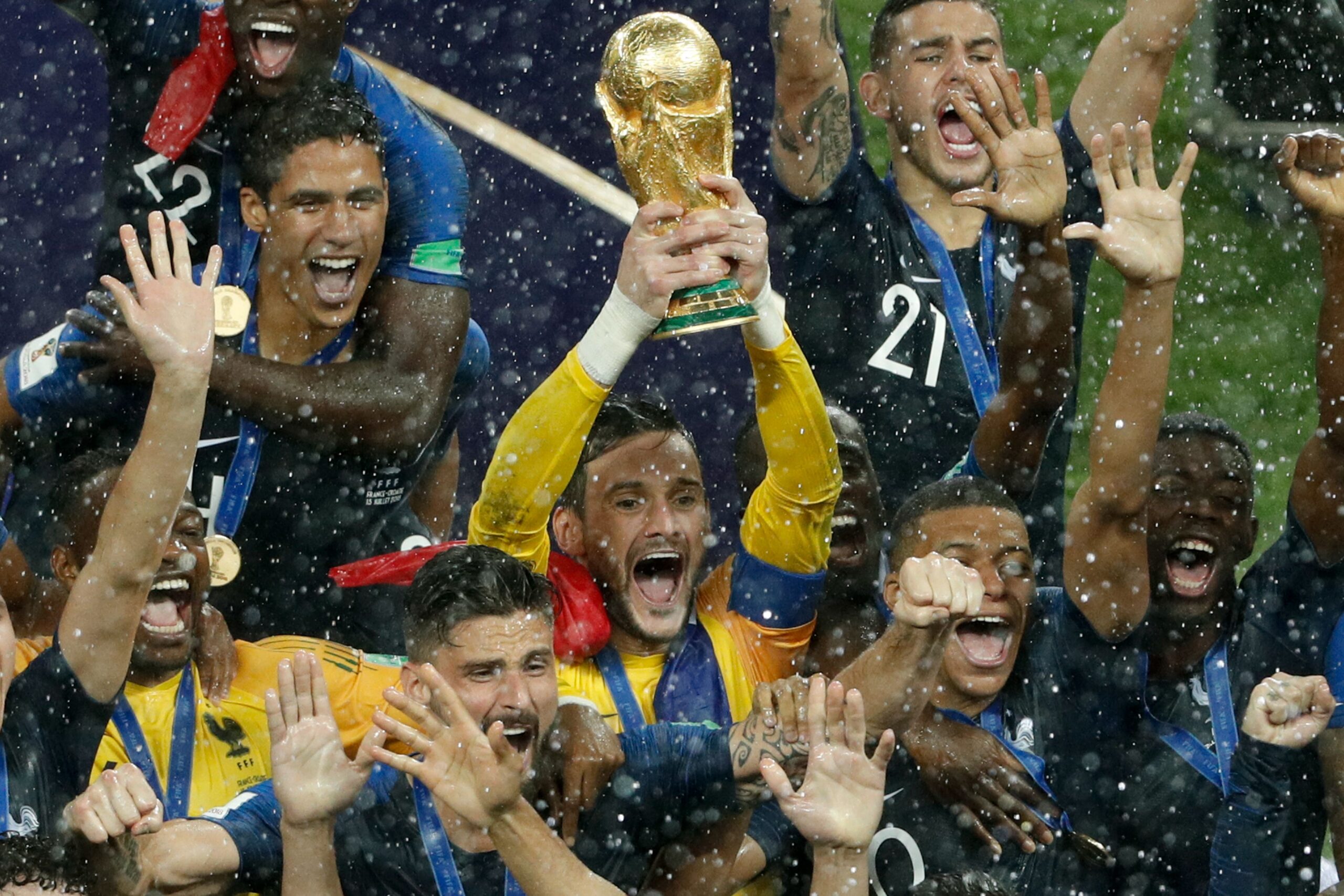
Tottenham and France Captain Hugo Lloris lifting the World Cup in 2018
Mind the gap
As previously mentioned, this tournament punctuates the domestic club season, so there isn’t the usual six-week gap between leagues concluding and a summer tournament kicking off. Punters usually have time to decompress and, a few weeks later, begin to plan their tournament outright bets. This time around there is just one week between the Premier League (the last league to pause before the World Cup) and the opening game between hosts Qatar and Ecuador on 20 November in Al Khor, 35km north of the capital, Doha.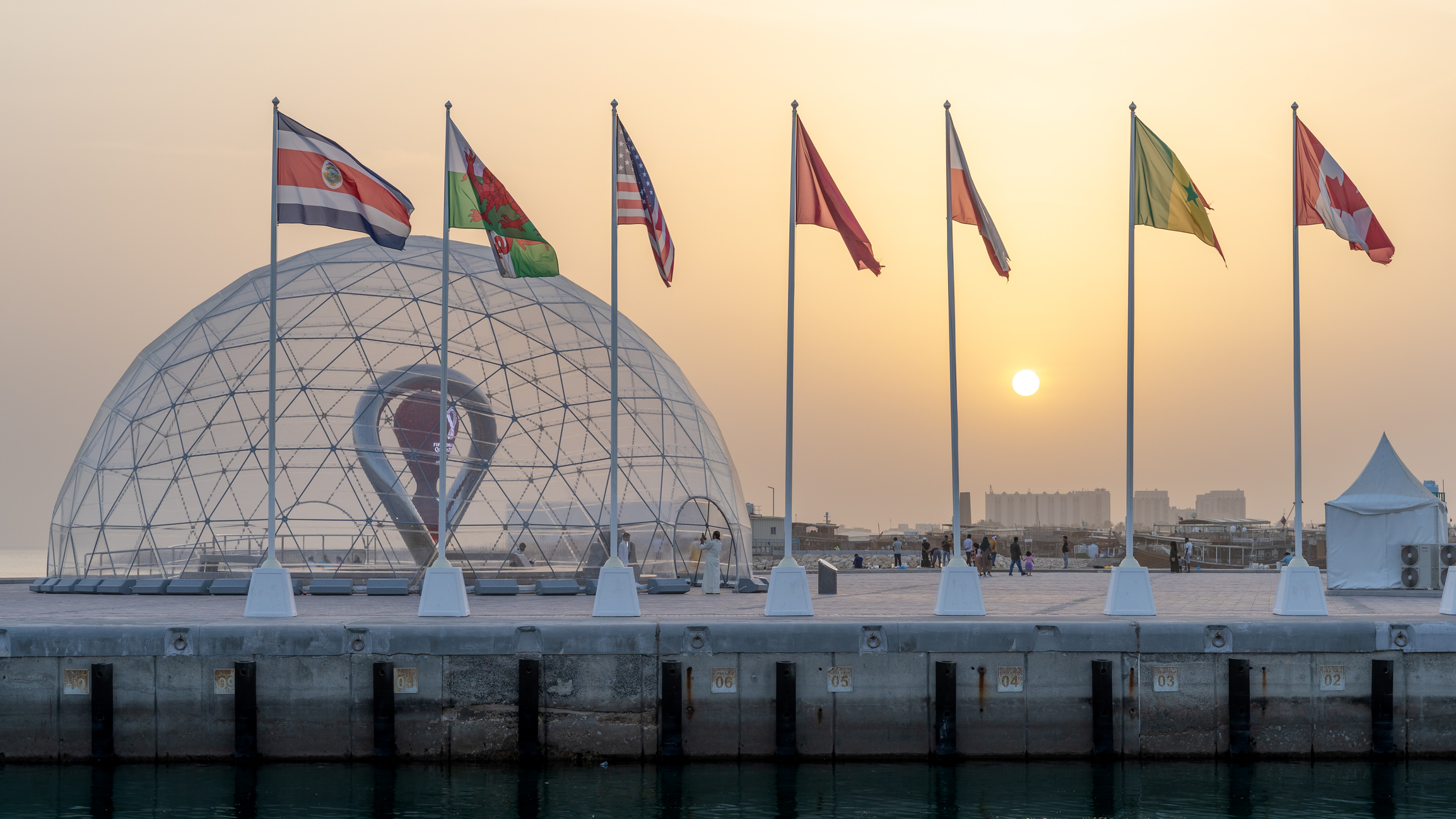
The countdown clock to the Qatar World Cup at the Corniche in Doha