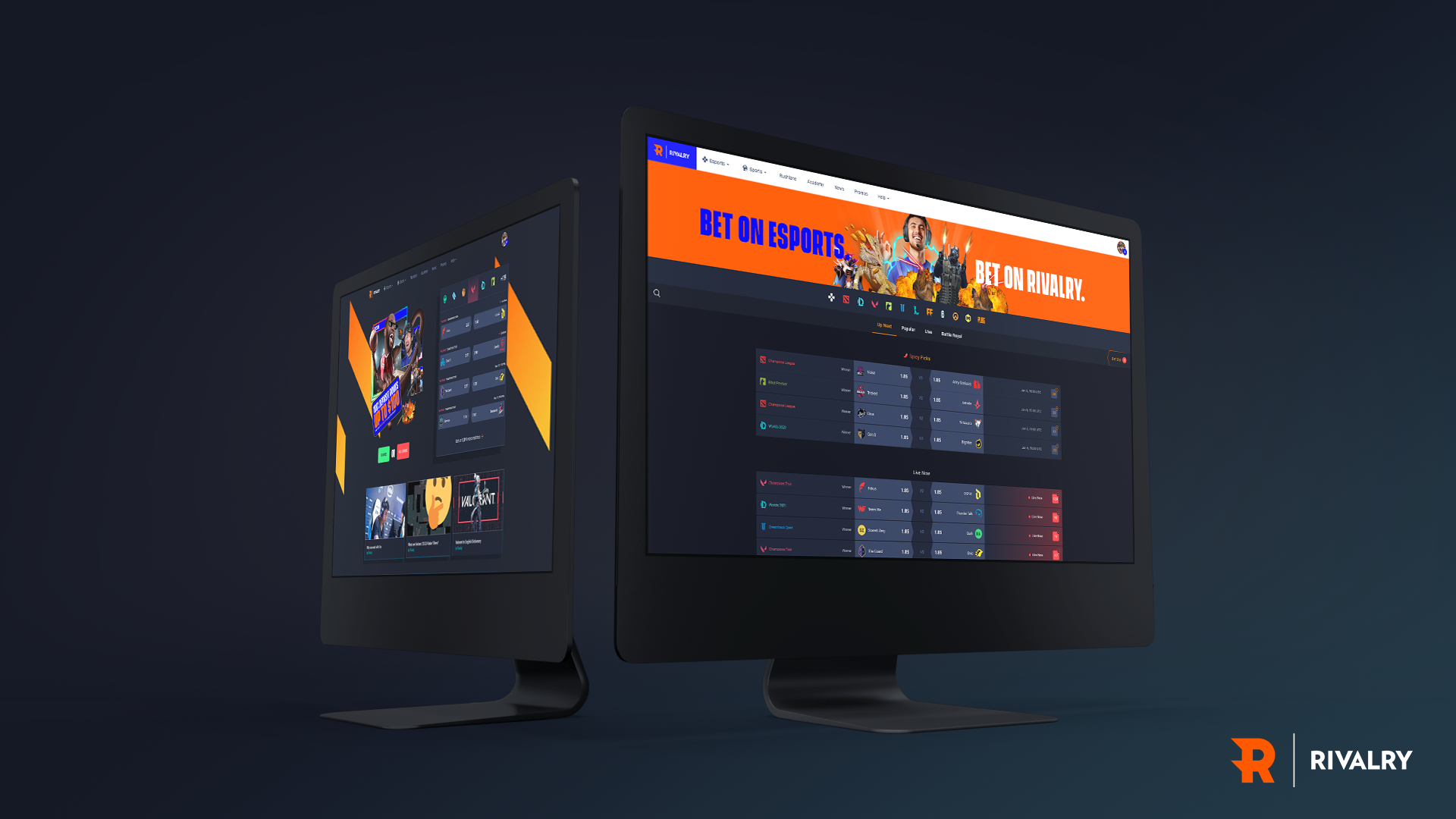
Making a play: esports betting’s Rivalry lays down a challenge in its home market of Ontario
Rivalry co-founder and CEO Steven Salz discusses the significance of being awarded a licence in his home province of Ontario, the secret behind the operator’s success in esports betting and why a prudent approach to marketing expenditure has been important

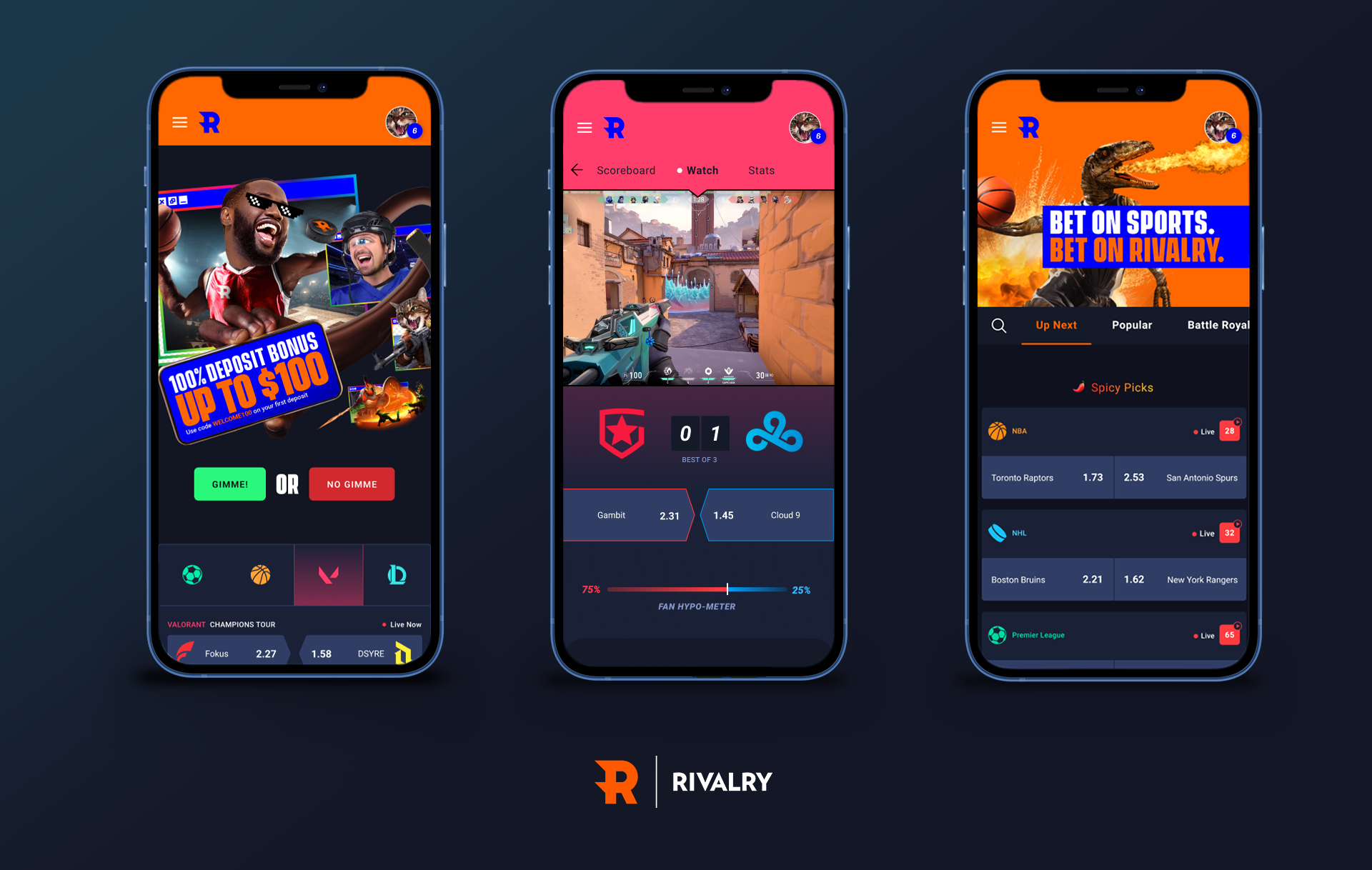
The world of esports betting is one that not many sports betting operators are prepared to touch. Yes, there are multiple companies across different markets but very few offer esports betting. However, we can can see that the mood is changing among the igaming sphere on the whole, as we saw with the recent purchase of FUTBIN by Better Collective for €105m and Entain’s acquisition of esports betting firm Unikrn in 2021 for a reported £50m. So, could this signal a change of approach?
As one of the originators in the esports betting market, having started up in 2018, Rivalry has tried to diversify itself by pioneering a new category – massively multiplayer online gambling game (MMOGG) – with its proprietary casino game Rushlane. The operator was co-founded by Kevin Wimer, Ryan White, Steve Isenberg and Steven Salz, neither of whom had any prior experience in the sports betting sector but have succeeded in posting new highs for financial results at almost every turn.
The firm also went public last October but, like some of the industry’s big hitters, has seen its share price tumble. Nevertheless, the operator launched in two significant markets this year, Australia in May and its home province of Ontario on 4 April when the regulated market opened.
Speaking to EGR Intel, CEO Steven Salz details how Rivalry broke into these crowded markets, what going public means for the firm and where he thinks esports betting is heading.

EGR Intel: What did it mean to receive a licence in Ontario?
Steven Salz (SS): It was important because we have always been based here. We never took any wagers here offshore, and even though we technically could through our Isle of Man licence, we never did. So, when you put the hometown thing aside, it was great for our organisational health as neither most of the company nor I have a background in the sports betting industry. It was a first for all of us. We spent a long time building a product that no one could use, so getting that licence was very important to us.EGR Intel: How has the market reacted to your presence?
SS: We were pretty vocal that we were going to have a really limited initial start, knowing that the launch of a newly regulated market would see a lot of the larger operators dumping a huge amount of spend on the promotion and bonusing front to attract customers. Our model across the board has always been inverted. We spend as little money as possible on all of our new market launches, whether they are grey or regulated. In the two months we have been in Ontario, we have spent less than C$100,000 (£82,474), including all marketing spent on bonuses and promotions, etc. We have competitors that were spending that in the first couple of hours of their first day of promotion. We’ve got a cohort of customers, we’re continuing to refine our product and conduct small tests on marketing to find where the pockets of value exist for us.EGR Intel: You also recently gained a licence in Australia; how have you found tackling the market?
SS: From a regulatory perspective, it’s very different compared to Ontario. It is the most unique market for us because our product in Ontario and the Isle of Man has been running for the last couple of years and is very similar. That product did not need any tweaking apart from a few footer changes, but our Australian product had to be unique. In Australia, the regulation doesn’t allow in-play betting online; you have to pick up the phone and call somebody. This means we can only offer pre-match, prop betting and services along these lines. You also can’t offer casino in Australia, which didn’t affect us massively as that is not a big part of our business. The product that customers see in Australia is a very different version of our product, which took a major engineering effort on our part.EGR Intel: Rivalry has posted record numbers in each financial period but what do you think is the secret behind this success?
SS: It goes back to our original philosophy of keeping things simple. We never had the luxury of a big balance sheet; we were just a bootstrapping startup until we went public last year. Then, we raised a bit of money, but even then, it pales in comparison to some of our competitors. The company has always had to operate with a very lean and sort of scrappy mindset, which means we don’t blow our brains on marketing better bonuses or promotions because we don’t even have the financial capacity to do so.EGR Intel: How has the company developed and matured since its float in Q4 2021?
SS: We went public because getting new licences is tricky as a private sports betting company. Diligence is slow. We went public for the operational ‘green’, not for access to capital as we have been able to raise money privately. We did a direct listing on the IPO so, technically, we didn’t raise any money. However, we were looking to go public for operational speed, which has significantly helped us get through regulatory hurdles. When you are filling out all of this diligence, being publicly listed in a regulated jurisdiction massively accelerates the rate at which you can complete things.EGR Intel: You recently launched esports betting for mobile. How is this progressing?
SS: There is a huge audience for mobile games, especially in South America and Southeast Asia where we are active via the grey markets. There are more players and viewers of mobile esports than are on desktop or console, so it’s an extremely popular field to explore. We have just got into it. We were one of the first sportsbooks to offer a pretty deep offering on mobile esports and we have seen a definite pick-up for sure.EGR Intel: What areas are the biggest concentration of your customers leaning towards?
SS: The top three have been the same since we launched, which I think are the same across everyone in esports, namely, League of Legends (Riot Games), Counter-Strike (Valve Corporation) and DOTA (Valve Corporation). This may vary slightly based on location, but for us and others, those are the top three, and they cover 80%-90% of all esports betting. The only title I can see breaking into that group is Valorant (Riot Games). Since it launched, it’s been the quickest up-and-comer in terms of size and overall betting handle for sure. My expectation is that, for us at least, Valorant will probably knock DOTA [out of the top three] within the next 12-18 months.