
Cast a Spel: how Svenska Spel has been regalvanised since Sweden re-regulated
Three years on from Sweden re-regulating its market, Svenska Spel president and CEO Patrik Hofbauer discusses how the state-owned operator is standing its ground with online rivals

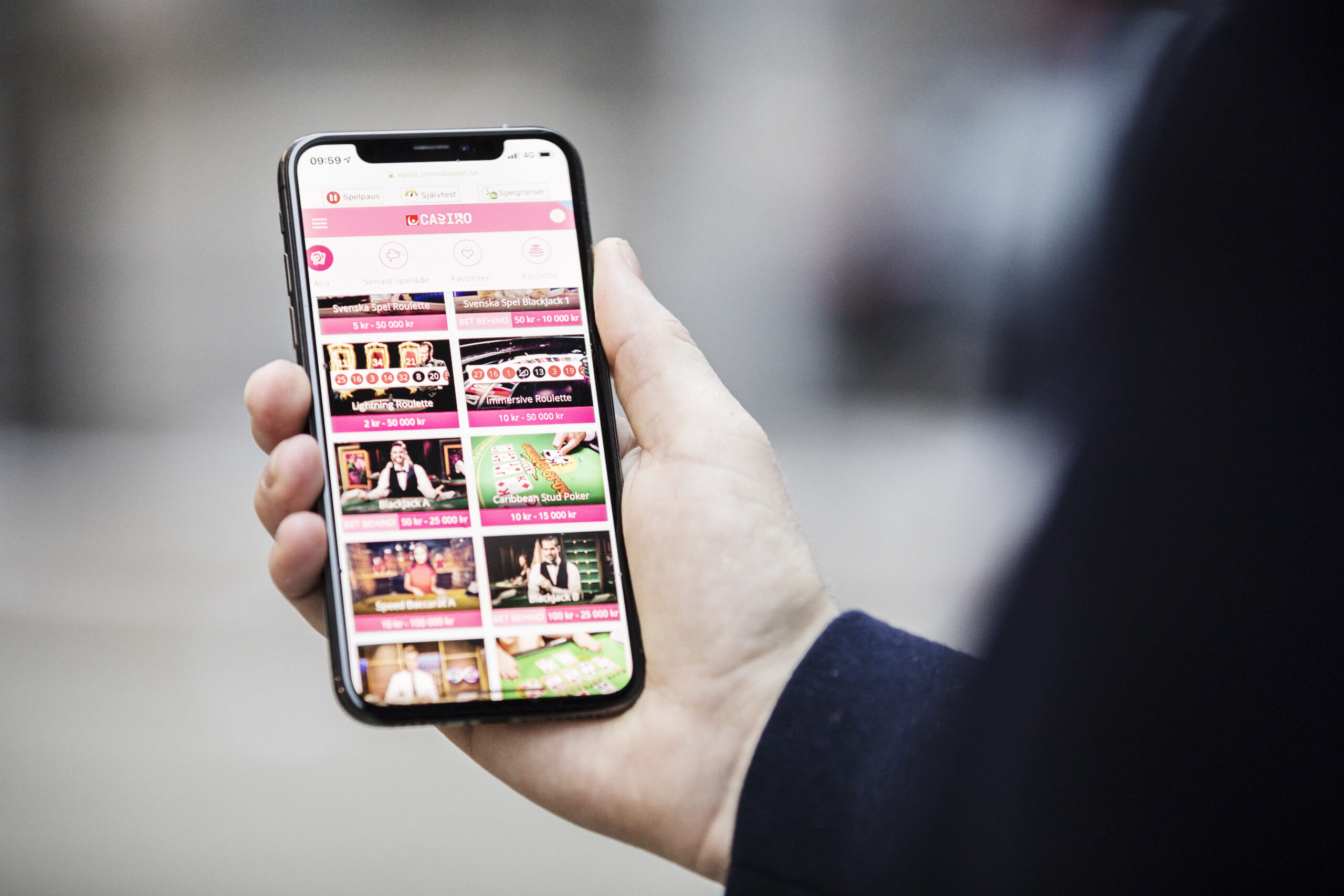
Sweden has long been a veritable hotbed for tech companies, whether it be music streaming giant Spotify, fintech firm Klarna or casual games publisher King (think Candy Crush), to name just a handful of start-ups from the country to have gone global. This international success is why the capital, Stockholm, has been dubbed the ‘Silicon Valley of Europe’ in tech circles. Likewise, many of the gambling industry’s protagonists today, who were at the forefront of online betting and igaming two decades ago, also have their roots in Sweden, chiefly Kindred Group, Betsson, LeoVegas and Evolution. Facing off against these homegrown international companies in Sweden, which re-regulated its market on 1 January 2019, is state-owned entity Svenska Spel. For Patrik Hofbauer, who was appointed president and CEO in 2018 ahead of what was a seismic shift in the regulatory landscape, 2019 heralded a new era after years of competing against unlicensed operators in Sweden’s ingrained online grey market. “The days of the gambling monopoly were numbered since, I would say, 2005. If you look at our performance, there was a steady decline in our market share from 2005 up to 2019 when Sweden re-regulated,” the 53-year-old Swede says, while describing Svenska Spel’s monopoly before 2019 as a “paper tiger”.
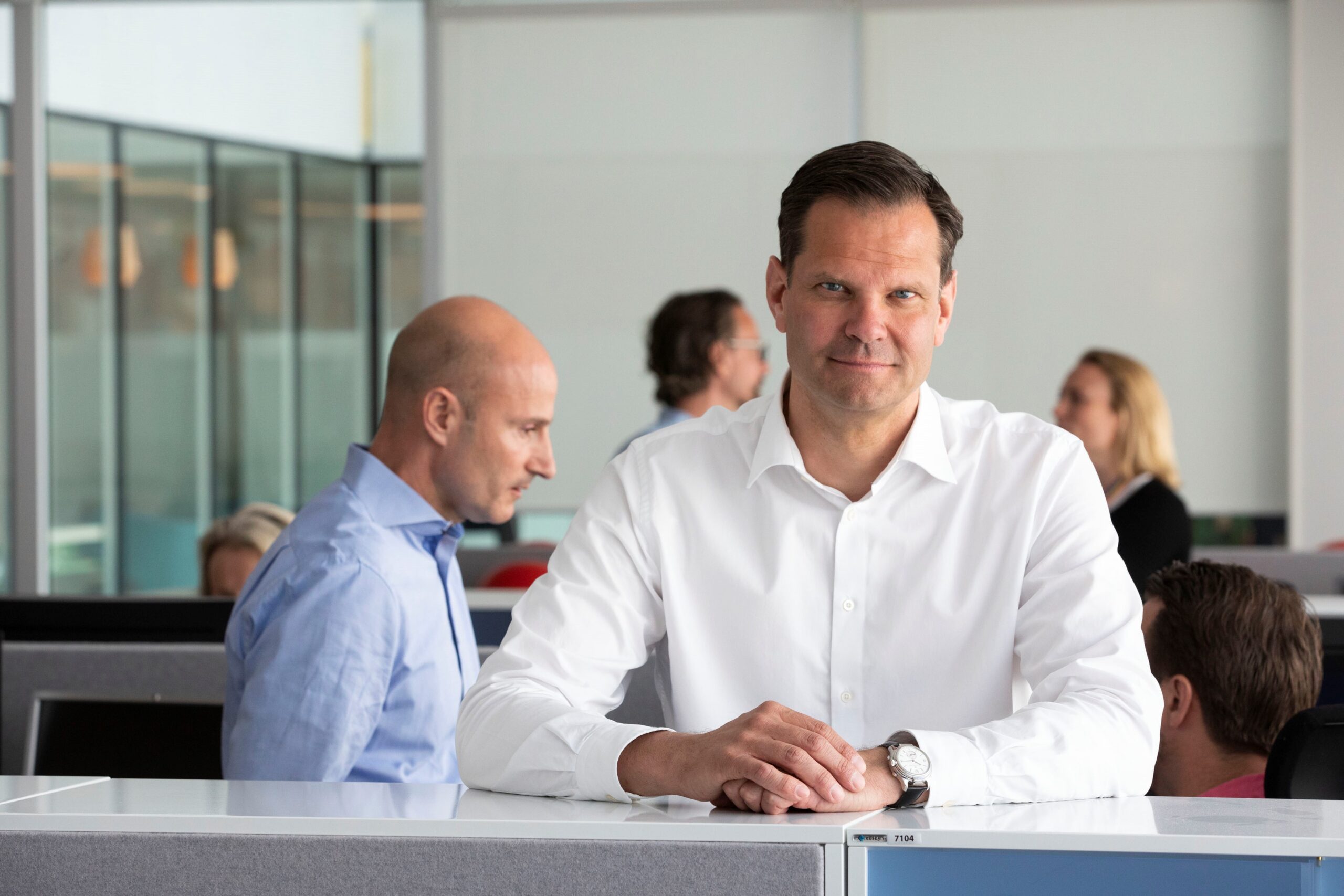
Patrik Hofbauer was appointed president and CEO in 2018
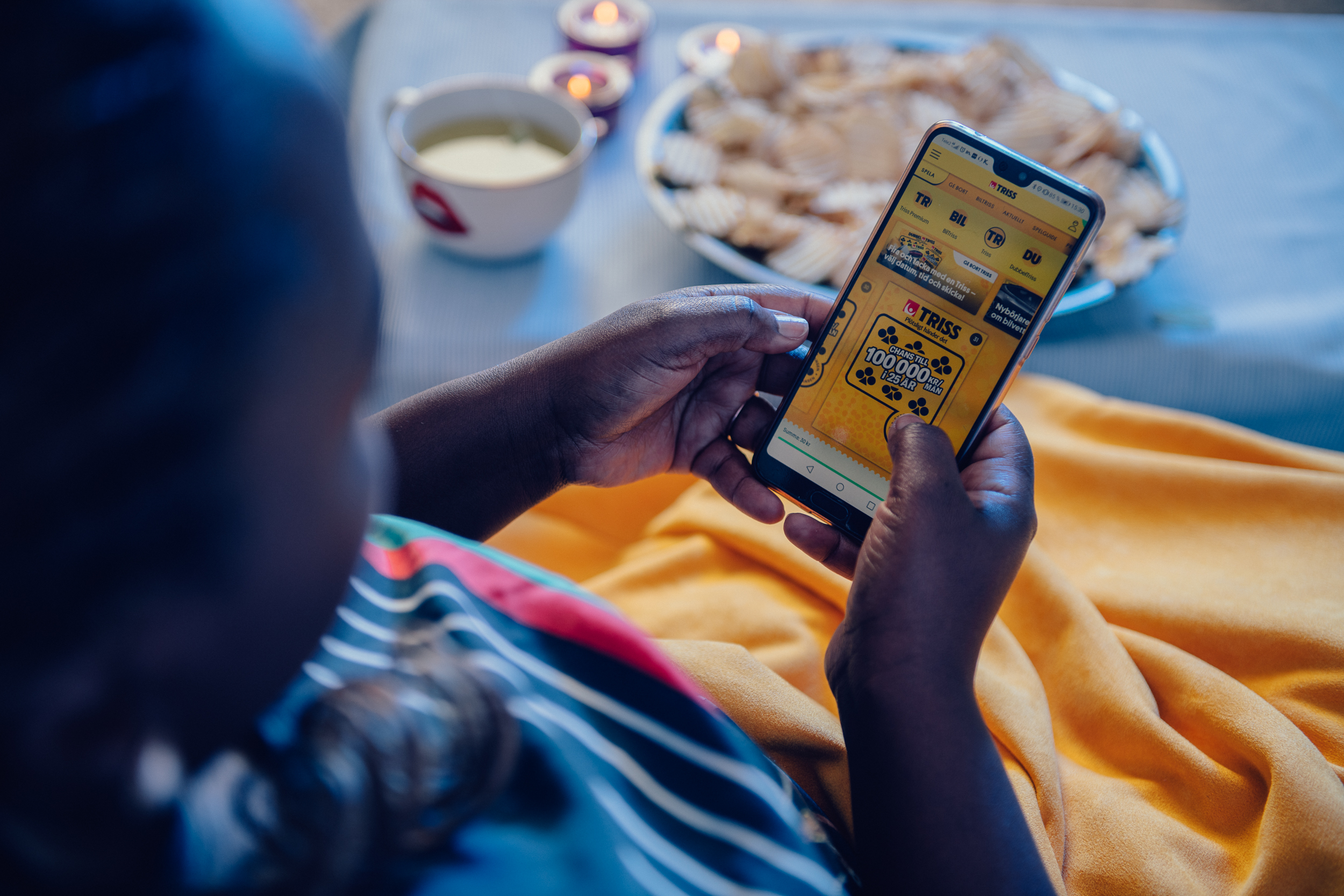
Having been around for 35 years, Triss is Sweden’s most popular lottery
Put a cap on it
During the pandemic, Sweden’s government imposed controversial restrictions for a temporary period on online gambling including a monthly deposit limit of SEK5,000 (£401). The one-time bonus that sites are allowed to offer players was restricted to just SEK100 (£8), although this wasn’t applicable to Svenska Spel as it doesn’t award bonuses. There were also login time limits for online games. The decision by the government was harshly criticised by commercial operators and the online gambling sector’s trade body, Branschföreningen för Onlinespel (BOS), which felt the measures would be ineffective at protecting players from potential harms. Hofbauer remains equally unconvinced by the temporary deposit limit. “We did a special study of customer behaviour during the pandemic, but we did not see any increase in problem gambling. And several other independent research studies stated the same,” he explains. “So, the law, when it began in January 2019, worked efficiently when it came to risky behaviours and KYC. The law already covers the fact that we need to protect customers and that’s why we didn’t see a big impact on customer behaviour during the pandemic.” In fact, the regulator, Spelinspektionen, or Swedish Gambling Authority, concluded in March of this year – four months after the temporary measures ended – that it was unable to conclusively determine if the restrictions had been effective. Hofbauer highlights one positive, though: companies tended to steer away from making an enticing inducement in the shape of a cash bonus the main thrust of their marketing strategies. “It was more a focus on brand-building. All of a sudden, a lot of companies started doing advertising about how to protect customers from harmful gambling. This was a positive shift from a total market perspective.” One argument against the temporary restrictions was that they would encourage hordes of consumers to switch to unlicensed options with no caps on deposits and bonuses. While there is no concrete evidence to confirm this happened, channelisation has been a concern in Sweden for some time. The political goal ahead of the licensing system being introduced was a channelisation rate of 90%, yet a study by Copenhagen Economics in 2020 found that 15%-20% of sports betting was outside the licensed options. For online casino, leakage to unlicensed sites was 22%-28%, the study claimed. Svenska Spel’s CEO comments: “We are concerned about the grey market, where operators offer their services into Swedish companies without a licence. So, they are not obligated to pay any tax or offer consumer protection.” There is a caveat, however: “It is only one vertical and that is online casino. Otherwise, we don’t have a big problem with channelisation,” Hofbauer asserts. “That is something the government knows about, the regulator knows about, and the industry is pushing it because we need to get people to switch from the grey market.” In a bid to address this problem, the government will, from 1 January 2023, require B2B companies to have been approved for a gaming software licence in order to supply Swedish operators with games, platforms and other services. It’s a decision welcomed by the regulated sector. “Overall, it is very difficult to say that regulation hasn’t been successful,” Hofbauer reflects. “I would say that it has been successful but every time you re-regulate the market there are issues that need to be solved afterwards. That is what we are doing at the moment.”Money matters
From a business performance point of view, 2021 was a solid year for Svenska Spel. Despite the aforementioned impact of the pandemic on the land-based side of the enterprise, overall NGR rose 6% to SEK8.14bn, or £674m at today’s exchange rate. Tur recorded NGR of SEK4.9bn, while the sport and casino segment saw NGR jump 21% to more than SEK2.3bn (SEK664m casino and SEK1.69bn betting and parimutuels), although comparisons with 2020 are somewhat deceptive due to the cancellation of sport for an extended period. Group operating profit in 2021 came in at SEK2.47bn, a rise of 3% and, crucially, the business hit the minimum 30% operating margin target set by the government. “This is something our owners expect us to do, to hit 30% margin, so that we can give money back to the Swedish people. That is a big goal every year,” Hofbauer explains. In other words, a dividend of SEK2.9bn was set aside for the Swedish people via the country’s Treasury. “It was a good year for the business, and I am convinced we can do even better now all the pandemic restrictions are removed.” There were also developments on the product front including a new sports platform launched in collaboration with DraftKings. Cash-out and bet builders were added for the first time, while video on demand (VoD) was integrated to allow customers to access reruns of historical races. Meanwhile, hundreds of new titles were added to Svenska Spel’s casino games library, along with an overhaul to the lobby to improve the user experience (UX). Tur also underwent improvements on the digital side, particularly around personalisation, to cater to those players who switched to buying tickets online during the pandemic. What’s more, the rollout of games where players can participate together online at Eurojackpot, Keno and Lotto with Joker and Vikinglotto is due soon. “Tur has a really strong market position, almost 60%, but they are still improving and driving the market,” says Hofbauer. “And sports betting within our sport and casino [division] came back very strongly last year after the pandemic, which we were happy to see.” And talking of sport, Svenska Spel is Sweden’s largest sport sponsor, having been involved with sports since 1934. The company is the main sponsor of the Swedish Football Association (SvFF), a partnership that stretches back to 1994 when Sweden reached the semi-final of the World Cup in the US. Unfortunately, the country’s men’s team failed to qualify for this year’s competition in Qatar after losing 2-0 in a playoff to Poland. As a side note, both Svenska Spel and SvFF were against the World Cup being held in Qatar, however Svenska Spel said it wouldn’t go as far as to call for a boycott of the competition, had Sweden qualified. As well as new agreements signed with the Swedish Ice Hockey Association and Swedish Ski Association in 2021, Svenska Spel sponsors a variety of women’s and youth sports. In fact, sponsorship funds are distributed equally between men and women. And it’s not just traditional sports; the operator has struck deals involving esports – from grassroots to the top level – including a two-year partnership with the Swedish Elite Series in Counter Strike: Global Offensive (CS:GO). In all, Svenska Spel directed SEK257m to sponsorship of various sports in 2021. “Swedish sport is part of our DNA,” insists Hofbauer, who in the past has been a professional ice-hockey goaltender. “Those close partnerships since 1934 are part of Svenska Spel’s history. But we have been building our brand for almost 100 years, giving us a unique communication opportunity with the people interested in sports. “From a business perspective, we see it as how we build our brand, product and services closely linked to the sports, and we also support younger people through sport and building a better society,” Hofbauer adds.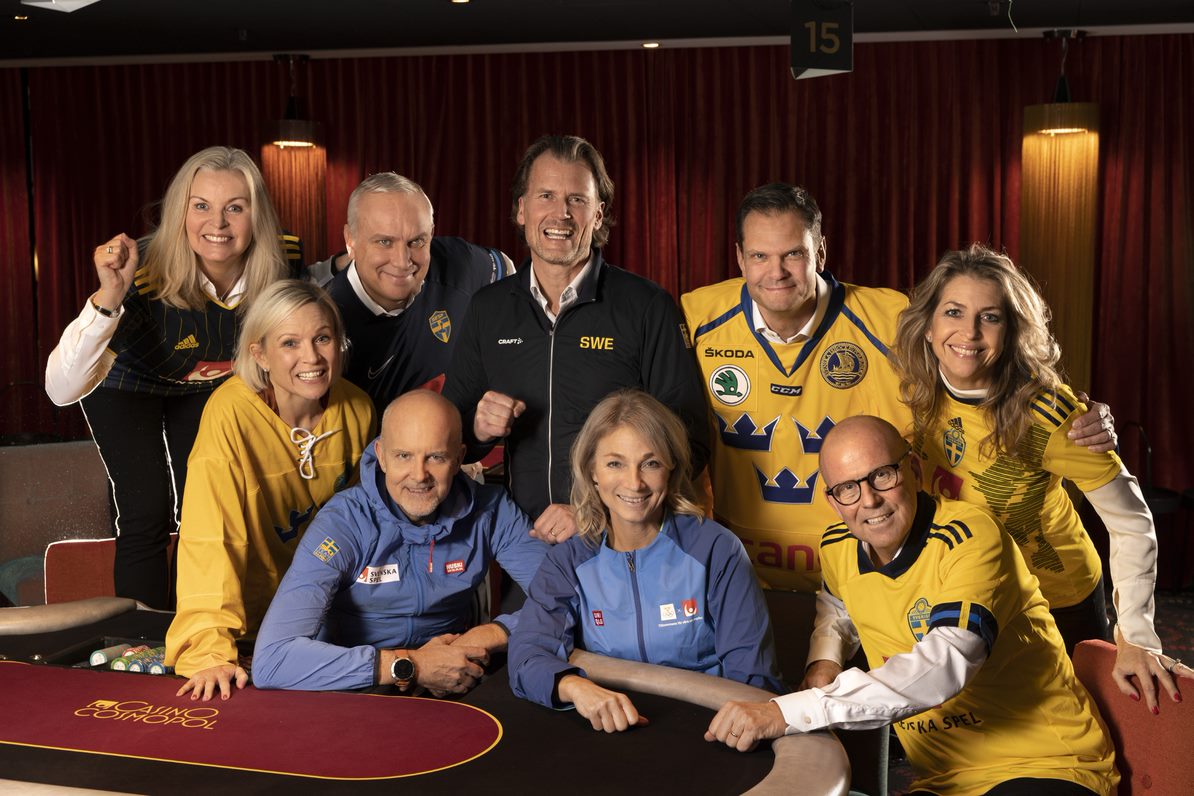
Svenksa Spel invests equally in men’s and women’s sports through high-profile sponsorships
Leading the way
Being owned by the state, Svenska Spel also sees itself as a champion of sustainability. Indeed, the government, as well as the public, expect it to set an example in this important area. And it seems to be paying off, with the Sustainability Brand Index naming Svenska Spel the most sustainable brand in the gaming industry for the third year running. As well as targets around wellbeing and inclusion, tackling match-fixing and money laundering, this ex-monopoly operator has also vowed to become carbon neutral by 2030. The pledge comes after the firm managed to slash its CO2 emissions by 70% between 2010 and 2020, surpassing the original goal of a 50% reduction. For instance, by reselling old IT equipment instead of binning them, the company has saved over 970 tonnes of CO2 equivalents since 2012. This equates to the emissions generated by a Volvo V40 circling the globe 272 times. “Sweden has an ambition to be carbon neutral by 2045 [but] we have set the target of 2030,” the CEO confirms proudly. Safer gambling, as you’d probably expect, is also a key pillar of sustainability efforts. For example, Svenska Spel encourages online players to undertake its web-based self-tests to discover if they may be at risk of gambling-related harm. More than 133,000 of these tests were conducted last year, with 87% of those who have taken a test reporting that they feel in control of their gambling. Furthermore, 9,300 calls were made by staff to customers who displayed potential signs of dangerous play. Players can also look up their game history in order to see how much time and money they have spent on gambling in the past 12 months. They can also click the option to take a break from Svenska Spel’s products for three, six, 12 or 36 months. Or there is always the option to self-exclude through Sweden’s national register, Spelpaus.se, which contains 74,122 self-exclusions at the time of writing. Every year, Svenska Spel’s Research Council funnels SEK5m into gambling harm reduction and another SEK2.5m to a professorship at Lund University, with a focus on gambling addiction in Sweden. “We are very ambitious regarding reducing harmful gambling. As a government-owned company, we need to and want to set an example on being the role model,” Hofbauer says. “We just recently set deposit limits for young adults – those aged 18 and 19 – to a maximum of SEK1,000 per month, or €100, unless they can provide us with information that they can afford higher limits. The majority of our customer base have SEK10,000 limits.” He also states: “Do we provide auto-spins in our online casino? No. Do we offer bonuses to try to attract customers? No. It is also about the tools we provide to our customers in order to protect them.” Hofbauer has also previously spoken publicly about the need for transparency when it comes to companies revealing the share of their revenue generated by unhealthy play. This is something that Kindred Group has divulged in its quarterly financial reports for a couple of years now as part of the Stockholm-listed firm’s “journey to zero percent revenue from harmful gambling”. The share of Kindred’s revenue from “high-risk players” stood at 3.3% in Q1 2022. “Transparency is important because we need to lift the trust for the sector,” Hofbauer notes. “As you know, the trust for the sector is extremely low, so we need to be more transparent because every time a customer falls into harmful gambling it is an issue for the industry. We should do everything we can to protect the customers because gambling should be fun.”“It’s tough to defend market share when 90 new players come into a market, but we have been used to competing when this was a grey market” – Patrik Hofbauer, Svenska SpelIt is now 25 years since Svenska Spel was formed in 1997 following the merger of AB Tipstjänst, established in 1934, and Svenska Penning Lotteriet AB, formed in 1897. Today, Svenska Spel, whose management is overseen by the department for state-owned companies inside the Ministry of Trade and Industry, sees almost half of its revenue generated by online channels. And the company is looking to capitalise on the gains it made during the pandemic as players migrated online. “We are actually transforming both our business model and also our operating model to fit more into an online world,” says Hofbauer, whose career prior to 2018 was largely spent in the telecoms sector. “This is something we need to continue because the ultimate goal is to have the absolute best customer experience among all the gambling companies in Sweden.” That’s certainly a bold ambition, particularly when Svenska Spel is up against experienced homegrown and international gaming companies. However, Svenska Spel has been in competition with these operators for the best part of two decades, not just since the market re-regulated in 2019. Clearly, the money the company gives back to the Swedish people and invests in sports is a big draw for consumers. It’s better than your lost deposit ending up in the pocket of some offshore gaming site, right? Indeed, 50% of the country’s adult population are positive to the state-owned operator when quizzed about their attitudes to gambling and gaming companies, according to Svenska Spel’s most recent annual report published in March. Despite the benefits the business delivers for the country and for Swedish sport, there are some who think the government should offload Svenska Spel. BOS also advocates for the business to be sold, with the vocal trade body arguing that having the state operate its own gambling company undermines trust in public institutions. “It’s never a good idea to be a player and referee at the same time,” BOS states on its website when making the case for Svenska Spel to be taken out of the government’s hands. “We have heard that many, many times from BOS,” Hofbauer responds calmly when this point is put to him. “From our perspective, it is up to the owners to comment; it’s not for me to comment on who should own Svenska Spel, but personally speaking, I think it has been really good that we could be the role model when we went into re-regulation and be the leading company when it comes to customer protection and driving sustainability. It has been good to be owned by the Swedish state, the Swedish people and give joy to people while protecting them from harmful gambling. That is where we show leadership,” he concludes.