
How to avoid the wrong sponsorship strategy in 2021
Julio Iglesias Hernando of Kaizen Gaming asks not what your sponsorship can do for you, but what you can do for your sponsorship partner

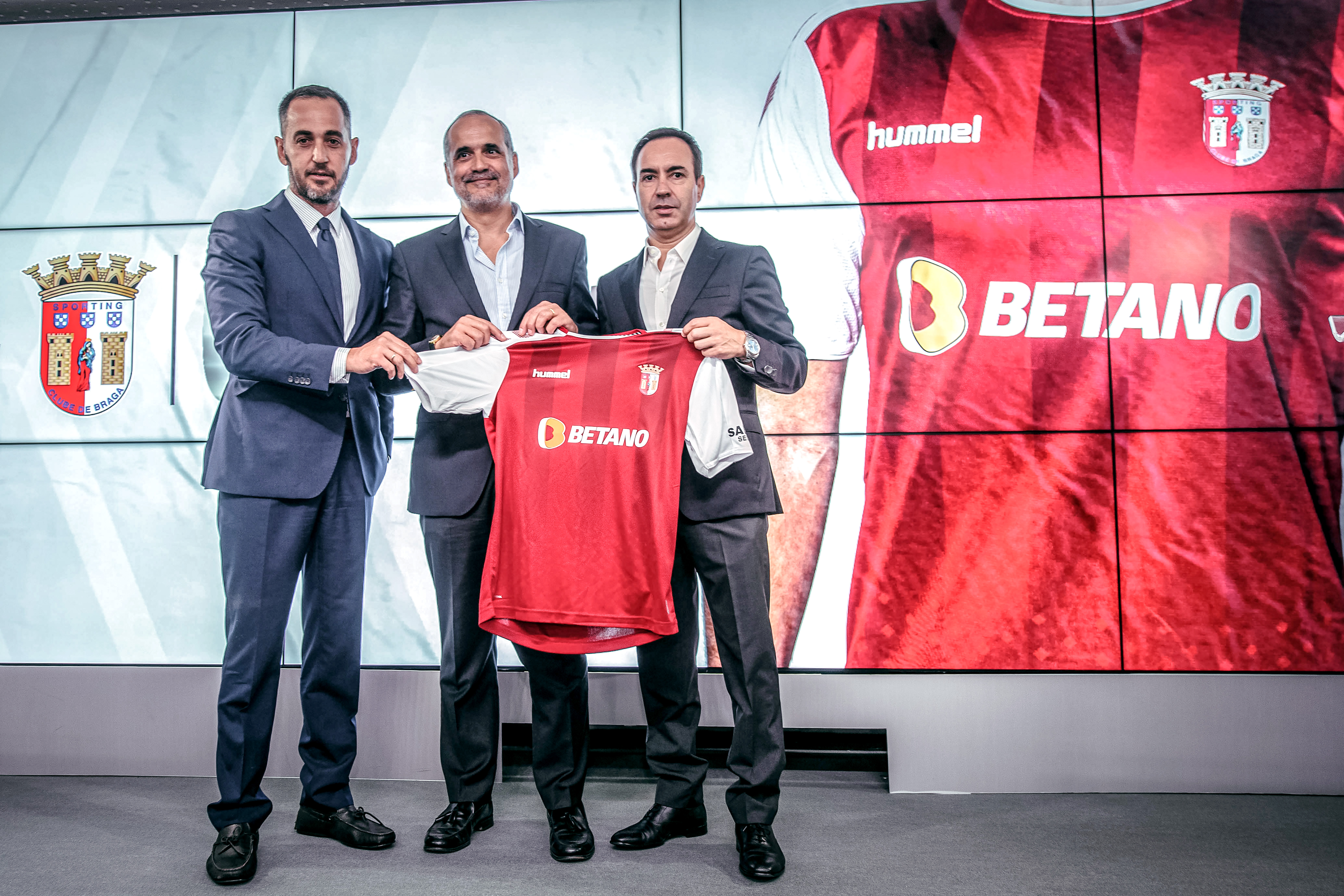
We have all read about horror stories around sponsorships (Chevrolet/Man Utd, anyone?). But we’ve also seen incredible success stories building on the magic of legendary sports teams and iconic players. And a lot of so-so stories of unimpressive results for big deals. It used to be the go-to tool for our industry. Get a deal, promote it, and get a huge business uplift. What can go wrong? Well, welcome to 2021. A lot of things can go wrong. From overestimating the value of the assets you’re getting in exchange, to actually being rejected by your own sports or betting partner for your failings, there are a lot of caveats to the old comfort of the sponsorship zone. Not to mention the regulatory pressure. Add Covid-19 and the impact it is having on society and live sports to the mix, and the ramifications are nothing short of intimidating. Now let’s try to look at the future of the industry. What should be the role of sponsorships in gaming? Is there a role anymore? Is sponsoring a tool everybody should consider, a must-have in your plan, or just a luxury when the timing is right? Or none of the above? Sponsorships are now a much more mature proposition than in the early days of the industry. For one, the sport organisations and individuals already know the value of what they have in their hands. Secondly, companies are significantly more professional in evaluating what the asset brings to the table in terms of business performance. And third, the power of the fan base. Thanks in no small part to social media, we live in a world where supporters want to be heard and do not passively accept anything thrown their way by their teams/icons. And the new critical angles, if we want our industry to be relevant in the future, are in this arena: social responsibility and responsible gaming. What are we doing to ensure we maintain our credibility and social license to operate when we associate with such relevant players in the socioeconomic context of a city, a country, even globally? Here’s how to reframe the key question when considering a partnership.
What can you do for the fan?
That should be the primary question when approaching a partnership. Forget ROIs, acquisition, and retention uplifts. The primary consideration is what we can do for an informed fan. Are we going to be able, reasonably, to offer our partner’s fans a comprehensively enhanced sporting experience? Is our product going to sustain that proposition or are we just going to disappoint fans? Are we able to complete that experience with strong specifically developed responsible gaming practices and CSR plans? By all means, look into state-of-the-art communication, engagement, and association with our sport partners, but today that is par for the course. The industry is in a place now where creativity and quality of execution is already very high. Pretending you are going to do something nobody else has done before in activating a partnership is fooling yourself. So, if you are ready to offer the fans of a sporting organisation an enhanced level of fandom experience, protecting them and caring about their needs and their social environment, go ahead. Do not hesitate. That journey will bring your organisation and your partners incredible benefits and growth, not just in the business sense of it. But if it is a shortcut to cover for your failings in other areas, think twice. If you are not fit and proper in your key success areas, there are very little shortcuts to success, and, for me, sponsorships is definitely not one of them. Julio Iglesias Hernando is the CCO of Kaizen Gaming. Iglesias Hernando has developed his career in marketing and commercial roles in several countries for global companies such as Philip Morris, Kellogg’s and Heineken, as well as being a university professor of strategic marketing.