
Crossing the channel: Will customer migration from retail to online remain long after Covid-19?
Since lockdowns were imposed, the gambling industry has seen a surge of customers now using online products, perhaps for the first time. Peter Taberner finds out which markets have benefited and, crucially, whether the customer migration from retail to online will continue

Flutter Entertainment, in its financial results for last year, found that online revenue had climbed by a significant 34% in comparison to 2019. Proceeds sourced from online customers reached £5bn overall, accounting for 96% of the total group revenue and highlighting the acceleration of online participation in gambling. In the UK and Ireland, the migration of retail customers to online is playing to Flutter’s strengths. Its financial report revealed that in the second half of last year over 40% of those who switched from the high street to online chose either Paddy Power, Sky Betting and Gaming or Betfair as their main online account. When factoring in that only 5% of the UK’s betting shops belong to Paddy Power, it’s a statistic that grows in significance, underlining the digital gains that Flutter has made since the first lockdown on 23 March. Its total share of online revenue in the UK market was 28%, with a 42% share in sports and 19% in gaming, with overall 55% of online sports bettors engaged with one of Flutter’s products in the final quarter of last year, a rise of 8% year-on-year. The online market in Australia has also hugely benefited from the relative exodus of retail customers to online, as Flutter gained 675,000 customers from closures of land-based venues. Flutter’s number of players increased by 26% on an average monthly basis, with retail shops closed and racing going ahead behind closed doors. Yet it was a strong performance that was underpinned by structural changes to its business Down Under, with BetEasy, acquired through the merger with The Stars Group, absorbed into the Sportsbet brand.
Pandemic-proof
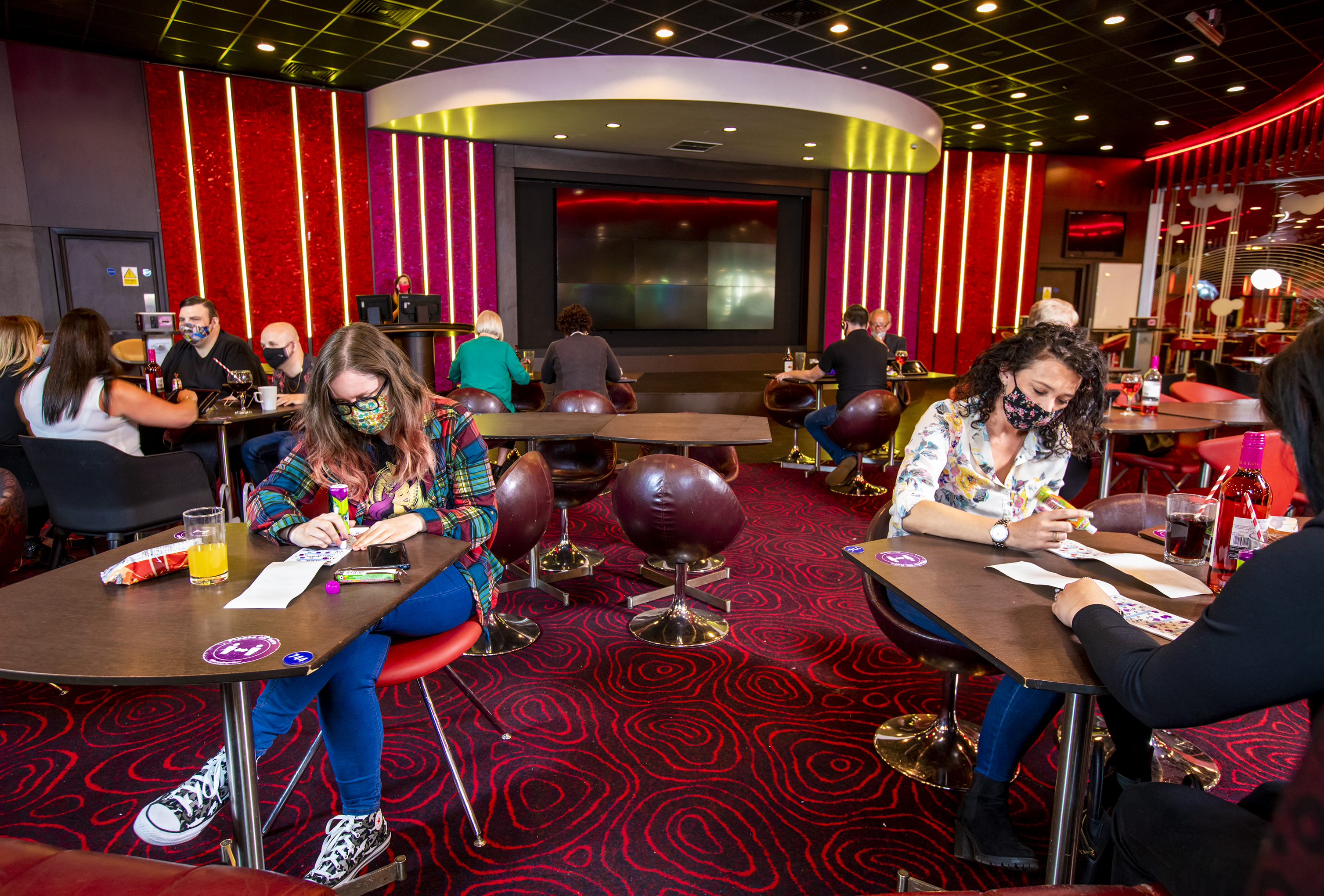
As gambling has become so increasingly accessible and convenient on mobile phones and the internet in general, it wasn’t as if online gambling was unheard of pre-pandemic. Warwick Bartlett, chief executive of the Global Betting and Gaming Consultants (GBGC), reflects on recent patterns: “The migration to online was well underway before the pandemic. The UK companies have been and always are early adopters of all things tech. The bookmakers led the way followed by casino and the National Lottery,” he adds. “Those operators that already had an internet solution and built up a good customer base to hit the ground running during the pandemic were able to capitalise on people staying at home with nothing much to do except binge on Netflix. Just look at the numbers: 888 up 56% year-on-year, Flutter in UK and Ireland up 41%, and William Hill in the final quarter of last year up by 30%.” Meanwhile, Rank Group brand Mecca Bingo saw a huge surge in online customers since the first lockdown, initially during the first weekend of the restrictions in March 2020 and the weeks that followed. Up to that point, it would be fair to say that many bingo players would not be interested in playing online. Mecca also found that there was a migration of club bingo players who suddenly were looking to play in the digital realm so it set up 82 free bingo sessions each week in response to the demand. This was one for each club so that its customers still had an avenue to keep in contact with friends and staff from their local outlet. Rank Group had a pre-pandemic focus that surrounded the development of its omni-channel offering. “We know that omni-channel customers are more loyal to our brand than single-channel customers, so this was the focus. It’s more nuanced than ‘migration’ and involves improving the product offering that we can give to customers,” enthuses David Williams, director of public affairs at the Rank Group. “Obviously for vast parts of the 12 months our venues have been closed so it’s hardly surprising that customers who were missing their casino or bingo visits switched to use digital platforms, sometimes for the first time.”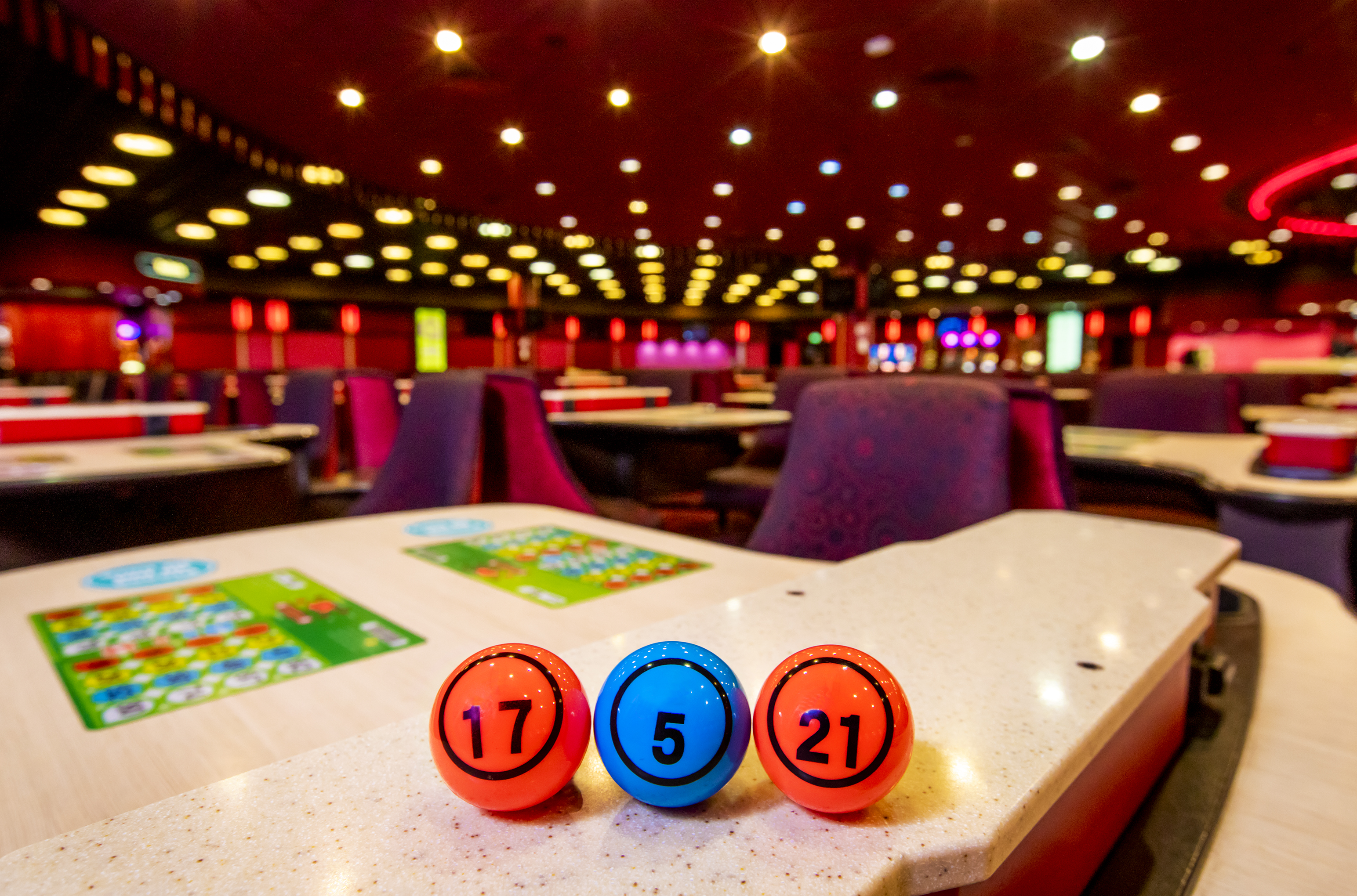
During the lockdowns, Mecca looked to capitalise on a migration of club bingo players to the digital realm