
Sporting Chance chief: We must wean sports off gambling industry dependency
Colin Bland urges sporting world to reassess its relationship with gambling operators in light of addiction and mental health concerns
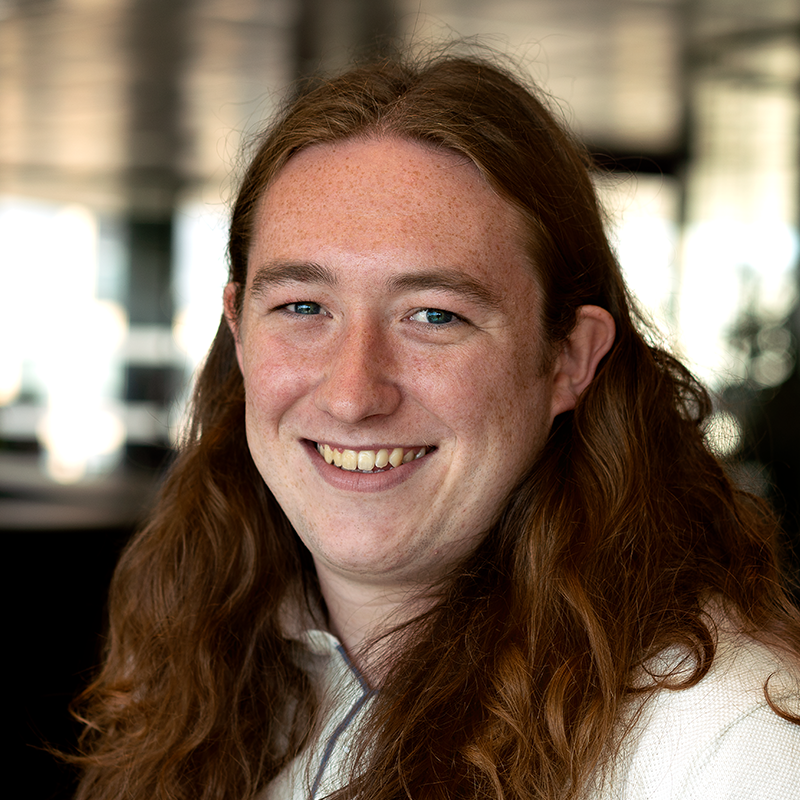

The gambling industry’s relationship with sport has come under fire from a leading addiction and harm-prevention specialist. Colin Bland is the CEO of Sporting Chance, an addiction therapy programme for professional sportspeople founded by former Arsenal captain Tony Adams. In an open letter, Bland argued for sports federations and clubs to disassociate from their gambling industry associations at this “pivotal point” in time. Bland noted that while Sporting Chance is not anti-gambling, it recognised change was needed to further support those at risk of gambling-related harm. He said: “The current goal would be to wean sports off their existing dependency on the gambling industry and to avoid future over-dependency on other industries or sectors. “In the longer term, we would recommend that each sport should plan to reduce and replace gambling industry associations in a sensible and manageable way.” Bland questioned existing responsible gambling initiatives for failing to action tangible change, instead acting as a soft marketing strategy for gambling firms. He continued: “Gambling companies, whom we like to believe want to do the right thing with such funding, are looking for opportunities to do so. But they are imposing ‘responsible gambling’ initiatives onto sports that are often a poor fit and sometimes do little more than garner some positive publicity for the gambling company itself.” Bland went on to lay out recommendations for how the gambling industry’s relationship with sport could be a fruitful and sustainable one, with a focus on education, protection, awareness and treatment. He said: “We specifically recommend that social responsibility monies from gambling companies should be paid into the welfare system of the sport concerned. “This should be a direct percentage of any financial deal or arrangement made between a sport and a gambling organisation. This would enable the sports themselves to decide and control how those monies are allocated.” Bland also argued the need for independent spaces that don’t rely on gambling industry funding. “We actively support the need for independent safe places that should not be influenced or directly funded by the industries whose practices contribute to mental health problems in large numbers of our client population,” he said. Bland suggested that while it would be “naïve” to rip-up existing relationships overnight, it was of paramount importance to put structures in place to find long-term solutions. “We do not believe that standing on the sidelines and hoping that gambling companies simply go away is either helpful or realistic,” said Bland. “We do believe that offering a structure that provides governance and a scheduled longer-term solution is both helpful and realistic,” he concluded.