
Q&A: NetEnt MD on supplier M&A and the changing face of Malta’s egaming market
EGR Intel chats to NetEnt Malta managing director Henrik Fagerlund about the fallout from its deal to acquire fellow slots operator Red Tiger and the future of the egaming industry in Malta

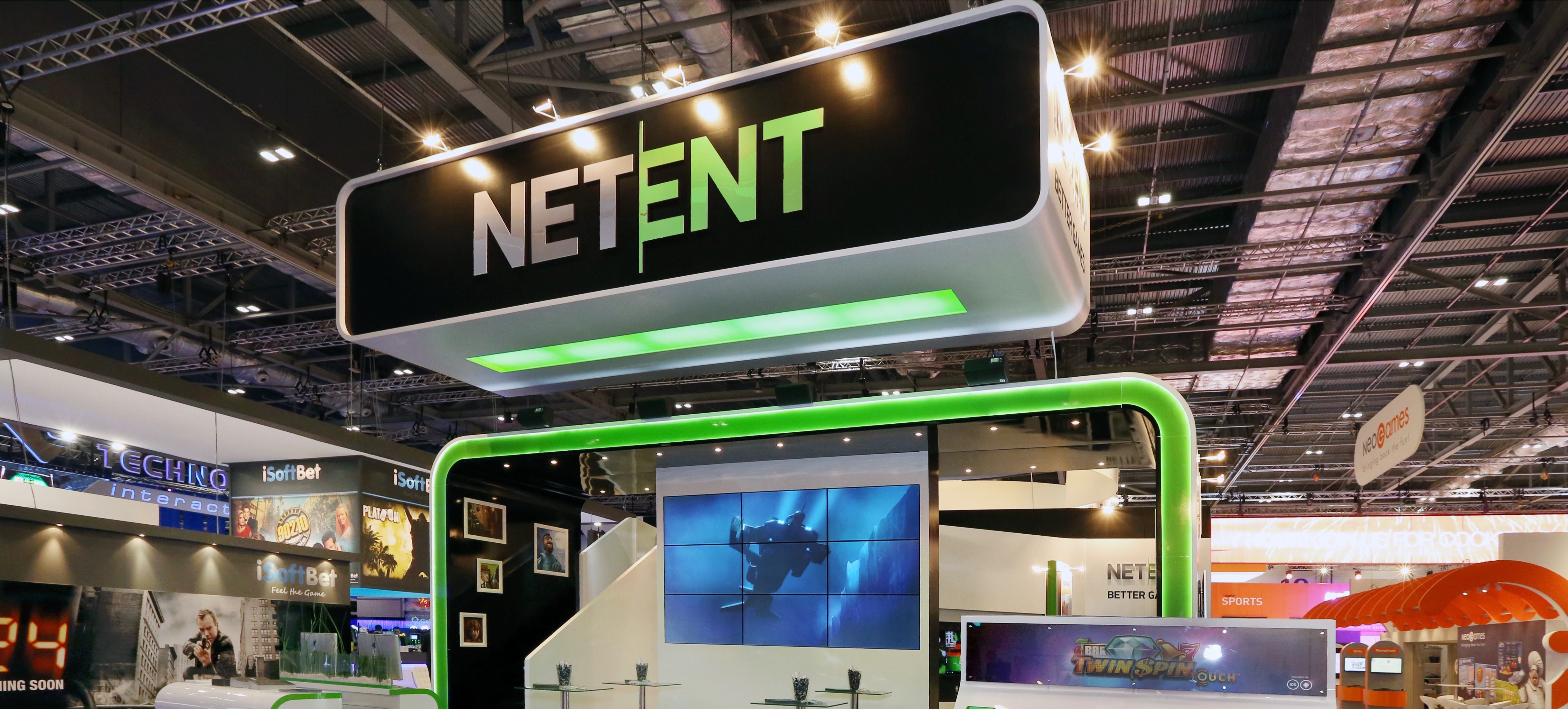
NetEnt hit the headlines in September, agreeing a £223m deal to acquire rival slots studio Red Tiger after a somewhat turbulent year for the company. Challenging financial results, coupled with a company-wide restructuring process, have proven to be significant bumps in the road for NetEnt. However, as NetEnt Malta MD Henrik Fagerlund explains to EGR Intel, the company is looking forward, not looking back.
EGR Intel: Do you see more consolidation occurring within the industry over the coming year?
HF: Throughout the industry, on both the operator side and the supplier side, we’ll see more consolidation. I think over the coming years we’ll see some of the smaller suppliers’ struggle, some might even go under. Looking at this from a NetEnt perspective, all I can say of course is that we have an open mindset for further M&A, and we will continue have our eyes open for interesting opportunities. I can’t say definitively whether we expect to do any deals within the near future, but the appetite is there. Historically, we’ve had a bit more of a closed mindset when it comes to M&A, but we are more open now.
EGR Intel: Is it become easier or harder to market a truly unique slots game?
HF: It might be a strange answer to this question but I think both at the same time because it is becoming much much harder to try to market a truly unique slots game, but if you truly build a unique product we can use things like influencer marketing in a very powerful way to make it easier. So, to answer your question it has become both harder and easier but, at the end of the day, it’s about having great games, then it will almost define its own marketing journey towards players. It’s as simple as that, yet it still can be hard for operators.
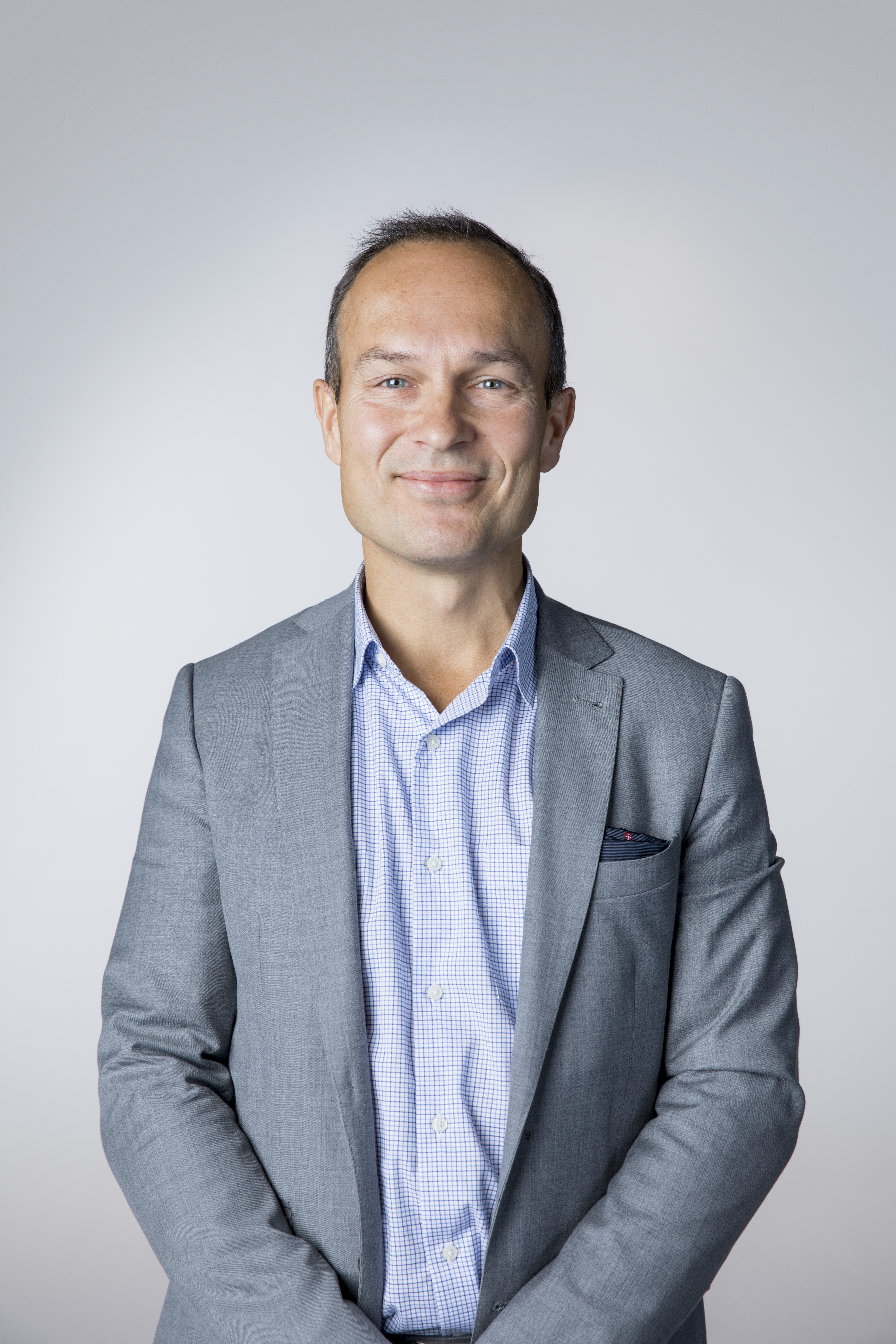
NetEnt Malta MD Henrik Fagerlund
EGR Intel: Is the Maltese egaming market becoming more or less competitive in terms of attracting new talent?
HF: For me, there’s a big risk that the market is becoming less attractive in attracting new talent. Let me start with the positives about Malta in general, and that’s the fact there’s a whole ecosystem around egaming. This ecosystem involves things like licensing and the MGA’s advantageous tax situation, so there is a lot of infrastructure surrounding egaming which plays its part in attracting talent. So that’s the positive side of the scale. The negative, and something we’ve talked about in the past, is the cost of living, something which makes it very hard to attract talent into an island and the ones that are here are struggling to make a decent living.
I think that creates a situation where it’s good for landlords in the short term, in respect of the immediate profits, but it will hurt landlords in the long term in raising the cost of living in Malta. As companies struggle to find individuals to work in Malta, they will have to raise the salaries and they will have to help with accommodation and moving and so on. So, it will really hit the margins of operators, making companies not so profitable, so much so they may choose to go somewhere else within mainland Europe or somewhere else more attractive. But there are clouds on the horizon. It’s still a good place to live and work but I’d have to say the rising cost of living is definitely the biggest cloud.
EGR Intel: Is Brexit one of those clouds on the horizon? Does the arrival of bet365 and other firms from Gibraltar make the market for talent more competitive?
HF: Yes, bet365 has chosen to move from Gibraltar to Malta, but as you may have seen they’ve since said they will keep more people in Gibraltar than many industry sources expected. Brexit is hard, it’s almost hard to predict what it will mean for us as egaming operators. Here in Malta, I think it is business as usual but in places like Gibraltar it’s a more pressing issue for operators.