
Tools of the trade: Should operators follow Sky Bet's responsible gambling adverts?
Sky Betting & Gaming’s ‘Three Simple Tools’ initiative suggests the operator is at the forefront of responsible gambling, but should other companies actually follow suit?
With great power comes great responsibility. Or so the famous quote goes. Since morphing into one of the UK’s biggest online betting brands, Sky Betting & Gaming (SBG) seems to have instilled a similar credo for the whole of the business to follow as it simultaneously became one of the industry’s leading responsible gambling voices. And in recent weeks it seems the operator has taken this one step further.
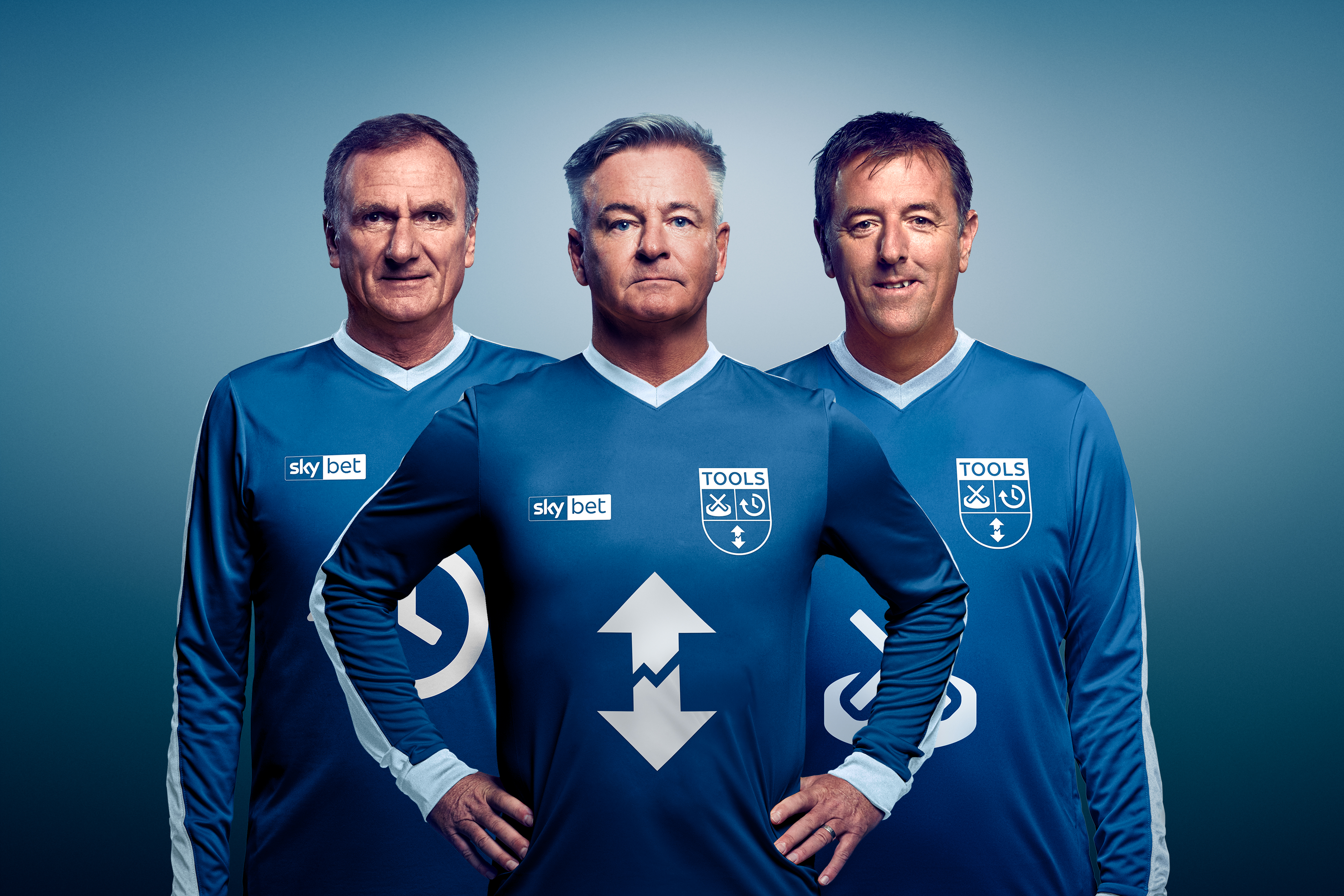
In early October, the Leeds-headquartered firm announced the launch of a new advertising campaign dedicated solely to the issue of responsible gambling and to promote its array of safer gambling tools and practices. The ‘Three Simple Tools’ initiative, fronted by Sky Sports presenters Charlie Nicholas, Matt Le Tissier and Phil Thompson, is a follow-up to last year’s ‘When the Fun Stops, Stop’ campaign featuring Gillette Soccer Saturday host Jeff Stelling. SBG also committed to spending £3.5m on safer gambling advertising on TV in 2018.
https://youtu.be/OVnUrj2_nEo
At the time of writing, SBG remains in an extremely small pool of operators which has dedicated expensive TV advertising space to this topic. But, as SBG’s people & brand MD, Rob Painter, explains, the operator clearly believes investing such a hefty amount of money in this area will be worth it in the long run. Whether many other operators – likely only for those with similarly deep pockets – follow suit with responsible gambling-only campaigns is another question altogether.
“Fundamentally, we are doing this advertising because we think that responsible gambling and the use of responsible gambling tools is a good thing and should be normalised,” Painter says. “Just like we know how many pints we can take, people should be more conscience of affordability and what is appropriate betting.
“We did it [the original advertising campaign] because we thought it was the right thing to do and to set out the Sky Bet brand’s belief on responsible gambling,” he adds. “We are all about betting being there only to enhance a customer’s enjoyment of sport and never to let betting get in the way of it. So it was more of philosophical marketing piece.”
Taking responsibility
SBG’s vocal responsible gambling campaigning, which seems to be a personal passion of executive chairman and former CEO Richard Flint, has in itself won the company many plaudits. At the time of writing, the operator had in fact just recently scooped the EGR award for Socially Responsible Operator. So should other operators seriously consider taking a leaf out of SBG’s responsible gambling playbook?
It seems this strategy hasn’t been to the detriment of SBG’s marketing cut-through or financial figures. The operator conducted an opinion poll last winter to benchmark how its Jeff Stelling campaign had performed against those of its competitors and SBG’s other promotional adverts which were running at the time. And according to SBG, its responsible gambling campaign was one of its most popular on record from customers and non-customers alike, as well as the most popular gambling ad during the Christmas period. As a result, this also led to a major uptick in the use and awareness of its responsible gambling tools.
However, Jack Symons, CEO and co-founder of gambling site blocker Gamban, has a different perspective. He contends that, at times, operators can get too close and too involved in responsible gambling when the needs of customers would be better served by third-party specialists. “If you look back to when operators had a bit more creative freedom to use more humour in their advertising, I think that was less harmful than what we’ve got now where we’ve got a blurring of the lines between operators and their products, as well as operators and their duty of care,” he says.
“Operators need to engage and provide all the assistance they can to make it possible for products and tools in the support space to be made more aware of, but anyone with a modicum of scepticism can see right through this kind of thing,” Symons adds. “If you’re telling someone that it’s all about responsible play, it suggests that if you’re not playing with their site then you’re irresponsible – that was my biggest bugbear with the Sky Bet advert.”
And perhaps it’s also slightly unfair on other operators to focus solely on SBG’s apparent achievements. Rival UK firm William Hill, for example, is another company which has made substantial commitments to social responsibility in recent months with its ‘Nobody harmed by gambling’ pledge. This bold initiative includes, among other things, a Responsible Gambling Innovation Fund, mandatory loss limit tools for at-risk customers and the development of targeted KPIs on responsible gaming.
Meanwhile, LeoVegas has also been making great strides in this area. In July, the Stockholm-listed firm unveiled its LeoSafePlay arm, which the company described at the time as a new standalone business division launched to develop a “next generation responsible gambling system”. Fellow Swedish operator Kindred has also won awards for its Player Safety – Early Detection System (PS-EDS).
Simple tools
So SBG evidently isn’t the only high-profile online betting brand to place such a high emphasis on social responsibility. But one thing that was particularly striking about its most recent campaign was the focus on its responsible gambling features, which have now been given a far more prominent position on the Sky Bet website and also presented in a far more user-friendly way. This has made it far more difficult for customers to miss them.
In the past, responsible gambling tools were predominantly buried at the back of most operator websites and rarely ever promoted to customers. As a result, Marc Etches, CEO of gambling-related harms charity GambleAware, says this should be viewed as a positive step by SBG. “Gambling is a health issue. So we welcome initiatives that are designed to protect customers from developing a gambling addiction or experiencing gambling-related harms. We would like to see all operators put the same level of commitment to customer protection as they do to marketing their products.”
The most prominent of the responsible gambling tools is Profit & Loss, which enables customers to see how much money they have won or lost from both betting and gaming during a timeframe of up to 12 months. “We’ve got to stop players from getting anywhere near to aving a problem,” SBG’s Painter says. “It’s just good sensible stuff that should be there for everyone, whether you’re the £10 Saturday bettor or you bet a few hundred quid a week. We want to raise of awareness of these tools and normalise this kind of behaviour.”
Sky Bet is not the first to do this. Most notably, betting exchange customers have long had this information at their fingertips. The UK Gambling Commission’s Remote Gambling and Software Technical Standards 2017 requirement 1B also states: “Customers must have easy access to at least three months of account and gambling history without having to contact the licensee. A minimum of 12 months of gambling and account history must be made available on request. The ability to request this information should be made clear to customers and be provided as soon as is practicable.”
And it’s on this last point of the Technical Standards where SBG seems to have really excelled. Whether other operators make such tools readily available to customers is more difficult to predict though as it has the potential of having a major hit on revenue. But if people really are spending beyond their means on a regular basis, should an operator really want that custom?
“We have a very recreational customer base and most customers are losing less money in a week than they are spending on lattes at Starbucks,” Painter adds. “So for most people if they are losing £40 or £50 quid a month then that is absolutely fine.”
SBG is clearly in a far less risky position given its mass-market customer base and their propensity for recreational betting, whereas many of its competitors are far more reliant on revenue derived from high spending VIP customers. The company’s ties with Sky and substantial marketing clout also means it can afford to dedicate such resources to responsible gambling – a luxury that perhaps many smaller operators simply don’t have. So while other operators should follow in SBG’s commitment with regards to responsible gambling, perhaps they will need to follow a slightly different path.