Who is winning the battle for market share in Sweden?
Arvid Åsbrink, senior consultant for Swedish gaming and media consultancy Mediavision, outlines some of the key findings of the firm’s review of the market in 2017
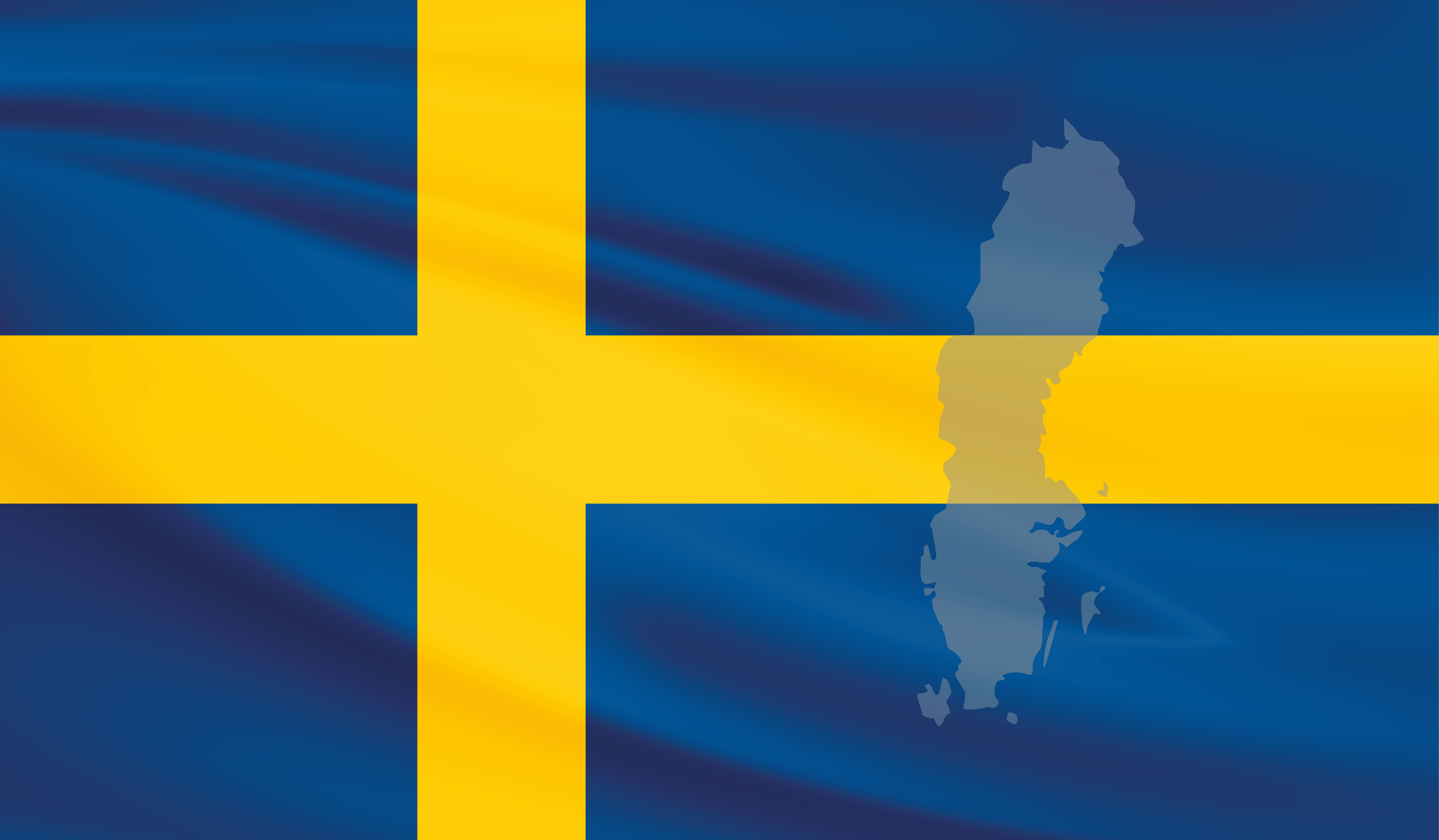
It was certainly an eventful year for the Swedish gambling market in 2017. A government inquiry presented in March held recommendations for a future regulation, opening up the market for several operators currently operating under off-shore jurisdictions. The new regulation is proposed to take effect on 1 January 2019.
Ahead of the upcoming re-regulation, operators are fighting fiercely for market share to establish advantageous positions going forward. Consequently, several mergers and acquisitions took place during 2017. As the new regulation draws closer, more deals are likely, and once the dust settles, operators will increase their focus on customer retention and cost control, rather than customer acquisition and boosting revenue.
Casino
At the time of writing, the majority of gambling operators on the Swedish gambling market are registered offshore, but Sweden monopoly operators still control the largest piece of the pie. Unlicensed operators currently account for around a quarter of the entire market, and their share is continuously growing.
This group of firms has single-handedly driven growth in recent years for the overall market in Sweden, with an estimated net turnover of €1.8bn for 2017. Meanwhile, the monopoly operators are having an increasingly hard time maintaining sales. In particular, offshore firms have driven the online casino vertical in Sweden as the current market regulation prohibits monopoly operators from offering such games.
It is not one of the more popular gambling forms, even though it is growing – only 5% of the Swedish population gambled on online casino an average month in 2017 – but it generates a disproportionately large share of overall market revenue. According to Mediavision data, online casino comprised 16% of gross revenues on the Swedish gambling market in 2017. This is due to the high average spend among online casino gamblers, being several times higher than that of other gambling forms.
In fact, this category of players on average spends nearly 70% more than those who turn to unlicensed brands for sports betting, the category with the second highest spend. Naturally, this makes casino players an attractive target group. And it is indeed a tough race between the many actors in this vertical. The top 5 operator groups, all Swedish-founded – Betsson, Cherry, Kindred, LeoVegas and Mr Green – together represent around a 50% share of the market, leaving the other half to a wide variety of different actors. What separates the top 5 operators from the rest is not only that they attract the most players, but also that they are more successful in satisfying all of their players’ casino games demands. This is evident when analysing customer overlaps.
The most successful casino brands manage to keep their players more loyal and exclusive to their own platforms than other brands. On average, customers of the top five brands only use two additional casino brands per month, whereas smaller brands’ players average up to five different brands, per Mediavision data.
Sports
Elsewhere , 10% of all Swedes gamble on sports an average month, and most of them with state-owned Svenska Spel. However, Svenska Spel in general attracts an older demographic than the unregulated brands.
Another key difference is a majority of Svenska Spel sports punters participate in pool games rather than sportsbook gambling. Consequently, Svenska Spel holds a much larger share of active players than they do overall sports betting turnover, due to the low average spend among most pool game players. Unlike online casino, the most popular brand in the sports betting vertical (other than Svenska Spel) is non-Swedish, namely global giant Bet365 who seems to hold a firm grip of the Swedish sports punters after many years of smart and aggressive marketing.
First and second runners-up are Unibet (Kindred) and Betsson (Betsson AB). Together, these three operators account for nearly 40% of the entire sports betting market, and around 65% of all sports betting revenue generated by unregulated firms, according to Mediavision data. Overall, this segment is less fragmentized than the online casino vertical, but the competition has increased over the past few years as more operators become full-service platforms. Both LeoVegas and Mr Green have increased their efforts recently, looking set to give the more established sports betting brands a run for their money.
Racing
Apart from online casino and sports betting, the unlicensed operators have been successful in the smaller verticals bingo and poker games. However, they have yet to make an impact on the horse racing market, completely dominated now by ATG, the state-owned horse-racing operator. ATG’s share of total net gambling revenues in Sweden is estimated at nearly 20% for 2017, making horse racing an attractive segment for others to invest in going forward.
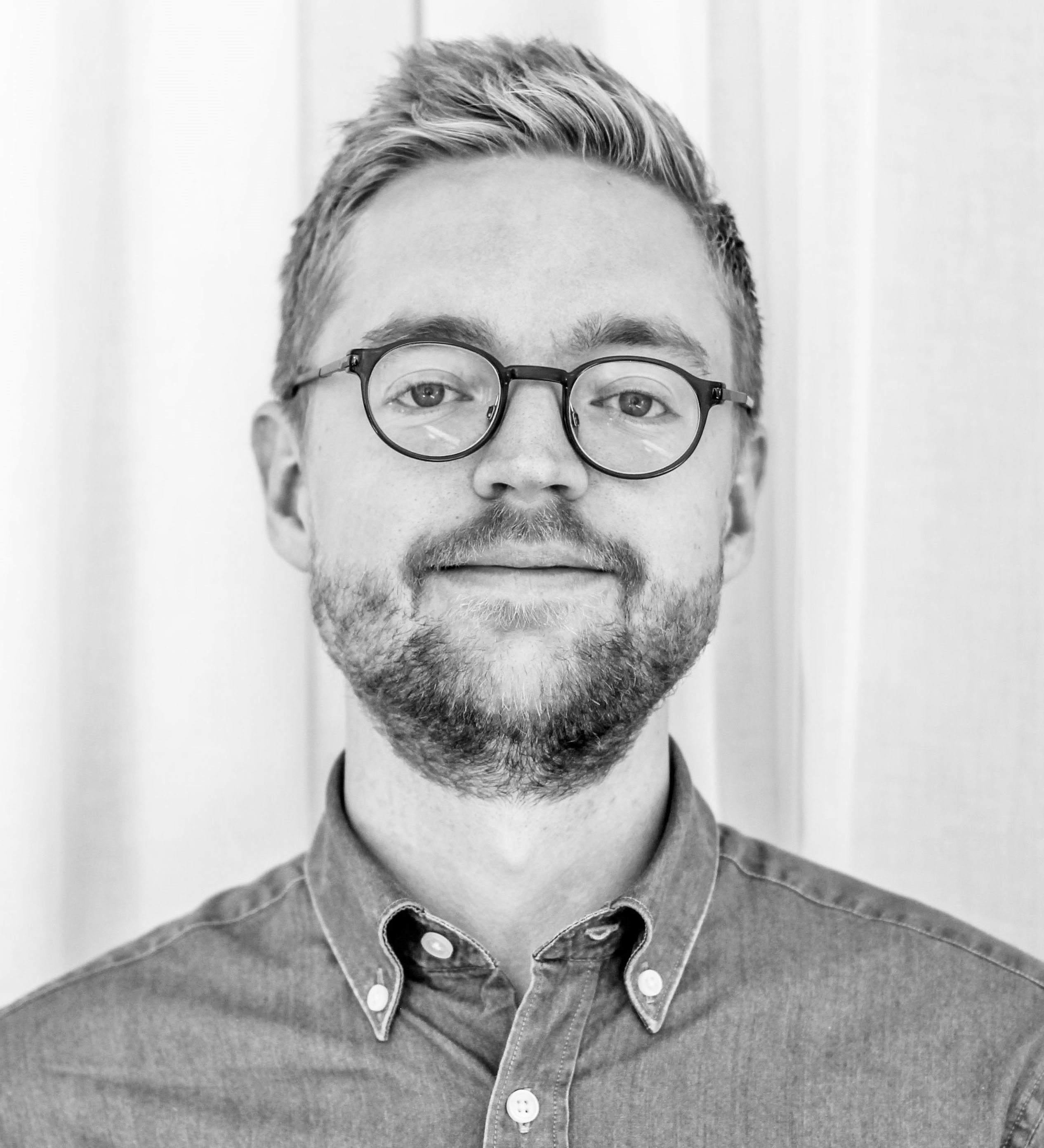
Arvid Asbrink, senior consultant at Mediavision