The UK election and egaming - what comes next?
With a General Election in June the UK egaming industry faces yet more uncertainty and delays to regulatory change, but is this good news?

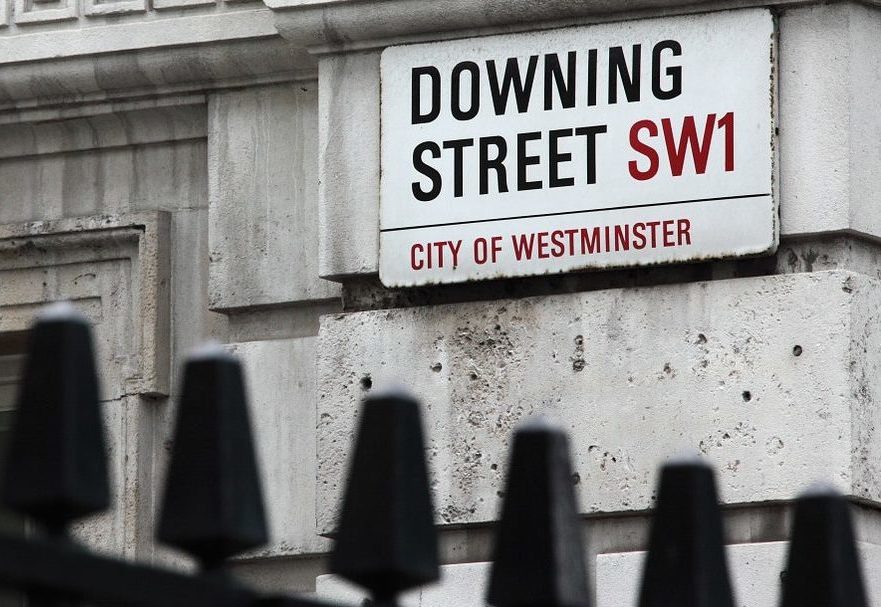
The UK was hit by yet another political shockwave yesterday with the announcement there would be an early General Election on 8 June. But while the country braces itself for a vote that could set some key disputes to bed, the gambling sector faces even greater uncertainty in the weeks ahead.
There are no fewer than three big issues that could rock the egaming world: Brexit, FOBTs and advertising. All of these are strewn with ambiguity at the present time and the various scenarios that could play out will have hugely varying impacts on the bottom line of major operators.
The results of the Triennial Review were expected in May, but according to the DCMS this is now likely to be pushed back until the summer at the earliest. This potentially gives operators more time to ramp up the lobbying and make their case for limited action but likewise allows the other side the same opportunity.
Mostly it creates an uneasy wait for all concerned. The potential outcomes from the review are as stark as a cut in FOBT stakes that would decimate profits at the major land-based operators and a ban on pre-watershed advertising to no change on either. In short it could be a sigh of relief or a groan of pain, with neither option able to be ruled out entirely.
Likely changes
Our sense is there will be some reduction on FOBT stakes and limited revisions to advertising. This should turn what could have been a brutal end to the year for the likes of William Hill and Ladbrokes Coral into a net positive, while the remainder of the online gambling sector should survive relatively unscathed. But this still leaves some huge questions unanswered.
The first is what happens in the election itself. What is expected is for the incumbent Tory party expected to win in a landslide and vastly increase its rather slender majority in the House of Commons. But this is based on polling that was, to be generous, heroically bad at the last election and should be treated with at least some caution.
It’s hard to envisage a scenario where the Conservatives don’t win a majority, however, so it’s tempting to say it will be business as usual and there is simply a delay to the implementation of any new restrictions. But there will be a new manifesto, a new government and a new set of policies so change is possible, although fairly unlikely, as regards the gambling sector.
What does seem unlikely based on our conversations with those close to the matter is an increased liberal approach towards gambling post-June. At best it seems we will have the status quo position of tighter controls and a more watchful eye. At worst we may see more restrictions on operating conditions. The big question though is when will we know for sure?
Timing is everything
The Autumn must now be an odds-on favourite for the review announcement, with a new budget set for the autumn and Parliament in recess from mid-July until 5 September. This is undoubtedly good news for a sector that was already facing up to a dry sporting summer and the introduction of the bonus tax in August.
A little more time to prepare for any bad news and to smooth the impact would be surely welcome. But this is a postponement and not a cancellation. And what the sector shouldn’t lose sight of is the larger picture with the review extremely unlikely to be the last major change to gambling regulation in the UK. This sector is now simply too big and too visible for any politicians to ignore.
Restrictions on advertising may be a bullet the industry dodges, although some more controls over the use of bonuses and free bets in ads seems inevitable. But there are other potential battles to fight. Online slots stand out as a sub-vertical prone to attack from anti-gambling voices if and when the FOBT issue is resolved. And the more subtle issues around more responsible gambling measures such as industry wide self-exclusion and deposit and staking limits could raise their heads again.
Manifestos will be read carefully by all egaming execs and any shifts in the personnel at the DCMS will be watched equally carefully. While there is no reason to fear the worst, it would be wise to at least prepare for a slightly less liberal approach to egaming in future. But again there can be no certainty of how things move forward. This is not a great spot for the industry to be in.
Did someone say Brexit?
And that’s before they’ve even dealt with what remains the biggest issue at hand both at home and abroad: Brexit. While a split from the EU certain, the nature and impact of it is far from clear. It could be a massive event for egaming or something that makes minimal impact, although chances are it will be somewhere in-between if for no other reason than its wider effect on the UK economy.
But again we’re faced with questions and not answers. Will operators need to move from Gibraltar and the Isle of Man? What will the impact be on recruiting staff from the EU into Britain? What will the knock-on impact on AML, banking and other sectors be for egaming? The answers to these will all depend on the type of Brexit the new government looks to achieve. And that remains, for now, the biggest question of all.
What operators are faced with heading into H2 is rising uncertainty and the need to place large bets on their future with limited information. It’s a difficult but far from impossible position, and one that will favour those that are prepared for all outcomes and are able to act dynamically to exploit whatever new scenarios emerge.
The delay in that sense may be a blessing in disguise. It gives everyone time to lobby, tweak strategies and prepare for what comes next. But it will doubtless be a nervy few months ahead.