
The main takeaways from ICE 2017
Mark Robson, head of egaming at the Isle of Man Department of Economic Development, provides his post-ICE reflections

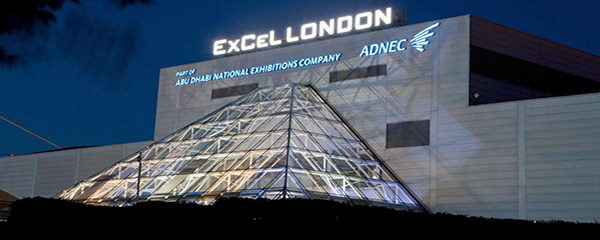
As always, ICE Totally Gaming 2017 showcased new and exciting ideas, themes and solutions. Attendees and exhibitors from around the world gathered for three days to network, share information and have interesting discussions. The event was full of energy and there were many innovators, from familiar faces to new, entrepreneurial start-ups.
We ensure the Isle of Man has a stand every year as it is a fantastic opportunity to secure business leads. It is also great for building and nurturing relationships with various stakeholders.
Following the conclusion of the event, we look at a few key themes that continue to arise in conversations and the industry’s agenda.
Maturing regulatory landscape
Following a period of seismic change, the regulatory landscape of online gambling is maturing. Regulators are working more collaboratively with each other and exchanging information and learnings. While they are still faced with challenges such as coping with changes in taxation; reporting procedures for suspicious activity; and combating gambling addiction and match fixing, these can be overcome through concerted and sustained initiatives.
Regulators have realised the positive impact created by co-operation and a good example of this is that cross-border liquidity could be introduced in certain markets for poker. We expect these organisations to continue working together and formulating solutions for the industry’s issues.
Continued growth of emerging markets
The markets of Asia, South America and Africa have continued to grow over the last few years. The transition of these regions into modern digital economies has created various opportunities, which are being capitalised on. The growth has been driven by interlinked factors such as developing infrastructure and increased smartphone and broadband internet accessibility.
For example, in India alone, internet penetration has increased by 200% over the past five years. Furthermore, according to PwC, Nigeria will show a 16% annual increase in gross gambling revenues over the next five years. This is followed by Kenya with a predicted 12.5% rise.
Although significant progress has been made, there is still scope for improvement if the emerging markets want to reach their full potential and match up to more mature egaming regions. Issues with general infrastructure will continue to be a challenge but these can be overcome by the continued adoption of new technologies.
More start-ups and early stage companies
The increase in the number of start-ups and early stage companies is a trend which has carried on from the last few years. This has been driven by a growing interest from venture capitalists and angel investors who have previously been sceptical of the gambling industry. These exciting nimble businesses are trying to meet the needs of niche gaming audiences or markets which have untapped opportunities.
Blockchain and egaming
Industry experts continue to explore the applications of blockchain in the egaming sector globally. One of the biggest advantages of the technology is its ability to make online gambling fairer by its own decentralised system. Also, with each transaction or bet being visible for verification on the blockchain, it provides greater financial transparency.
Whether it plays a role in changing the industry’s landscape is still open to question. However, there is no doubt that its synergy with egaming will remain one of the themes discussed and debated over the coming months.
Time for change
It is no secret that the industry has changed drastically from a regulatory, structural and technological perspective. As a result, operators are looking for jurisdiction bases which have been at the forefront of embracing the latest trends, have a strong reputation and a very supportive business environment. It is, therefore, imperative for jurisdictions to continue adapting, stay ahead of the curve or else risk falling behind competitors.

Mark Robson, head of egaming at the Isle of Man Department of Economic Development