
Egaming industry predictions for 2017 – part 9
In the latest of a series of articles, NetEnt CEO Per Eriksson and Mark Robson of the Isle of Man Department of Economic Development predict the big themes for 2017
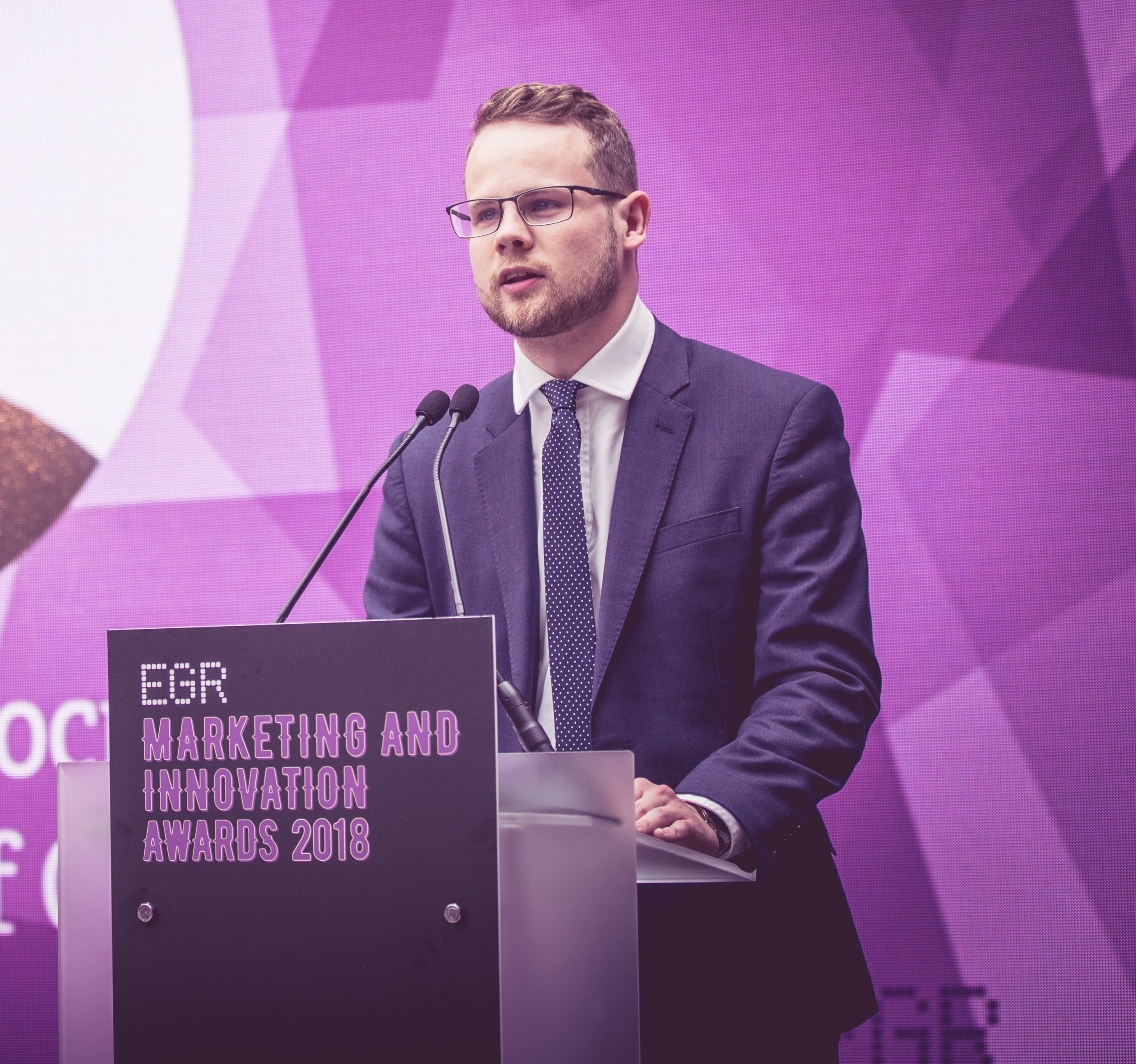


Per Eriksson, CEO of NetEnt
Pace of regulation picks up – With 50% of the European market expected to be re-regulated by 2018, we see 2017 to be a year of progress in several European countries. I also predict further breakthroughs in North and Latin America. Of course, the US will continue to come under the sharpest focus because of the growth potential it holds. However, there are plenty of other regions creating excitement as they open up. Following our recent entries into Portugal, Bulgaria, Mexico, and Romania, we are keeping a very close eye on multiple new jurisdictions. This includes The Netherlands and Sweden, where potential regulation of the market is, of course, of particular interest to NetEnt.
Development of live gaming on the go – Live casino continues to increase its popularity with players and the segment growing, yet it still has great, untapped growth potential. The real breakthrough is the development of technology and much improved user experience, which means that a quality product can now be offered on mobile. Boosted by an expanded range of games and variants, regulation allowing more operators to integrate live casino into their platforms, as well as a greater understanding of how to leverage live casino, we see an important year ahead. Technological advancements mean that live casino on a smartphone is every bit as thrilling as on desktop. As the most immersive egaming product available, it can be the perfect offering to help drive opportunities in new markets, especially when created in collaboration with players to deliver the ultimate user experience.
Virtual reality and the development of new technologies – Technological developments and the scope of their future application within egaming form the basis of some of the most engaging industry discussions. Currently, much of the tech debate surrounds the concepts of VR, AR, ER, and MR, and while there was a lot of talk about VR, in particular, in 2016, the industry has yet to see a working slot capable of immersing players in a 3D reality. At ICE 2017, VR will continue to draw attention. Many people within the industry will get to experience VR for the first time and those that already have will be looking to see what advancements have been made.

Mark Robson, head of egaming, Isle of Man Department of Economic Development
Continued growth of eSports – We believe that eSports will continue to grow at an exponential pace in 2017. This will be driven by various factors, but one of the most significant will be the interest from venture capitalists. Whilst these investors have historically been cautious about gaming, they have been identifying excellent opportunities in the large and expanding market of eSports. For example, virtual reality eSports developer Drifter has recently received $2.5m in its seed round. A key trend in eSports would be the impact of legalised betting. Recently, William Hill US, in partnership with the Downtown Grand Casino, announced that it had received approval to offer legalised wagering on eSports. It would be interesting to see if other sportsbooks follow with similar propositions.
Augmented and virtual reality – The popularity of immersive technologies will continue to be on the rise next year. There is no doubt that AR and VR have created various opportunities for the eGaming industry, in fact, they have provided the perfect solution to engage the sought-after millennial audience who have been reluctant to embrace traditional casino games. In 2017, companies are likely to compete with each other to create the most realistic VR casino environment, and it will be very interesting to see the outcomes.
Blockchain and egaming – We expect blockchain to remain a key theme at roundtables in industry events as well as conversations and commentary. Gambling companies will continue to look at the technology beyond a payment method such as its applications in analysing gambling patterns, fraud prevention, and its ability to bring transparency to games. Whilst there are still challenges such as cyber security concerns and high initial capital costs, the long-term benefits of blockchain will overcome them. Being the first jurisdiction to create a regulatory framework for blockchain businesses in 2014, the Island has a thriving sector.