
CEO interview: Alex Dreyfus, Chiligaming
Following the marketing onslaught unleashed on France by regulation, the Chiligaming chief executive wants the best of both worlds " a niche at home and expansion elsewhere.
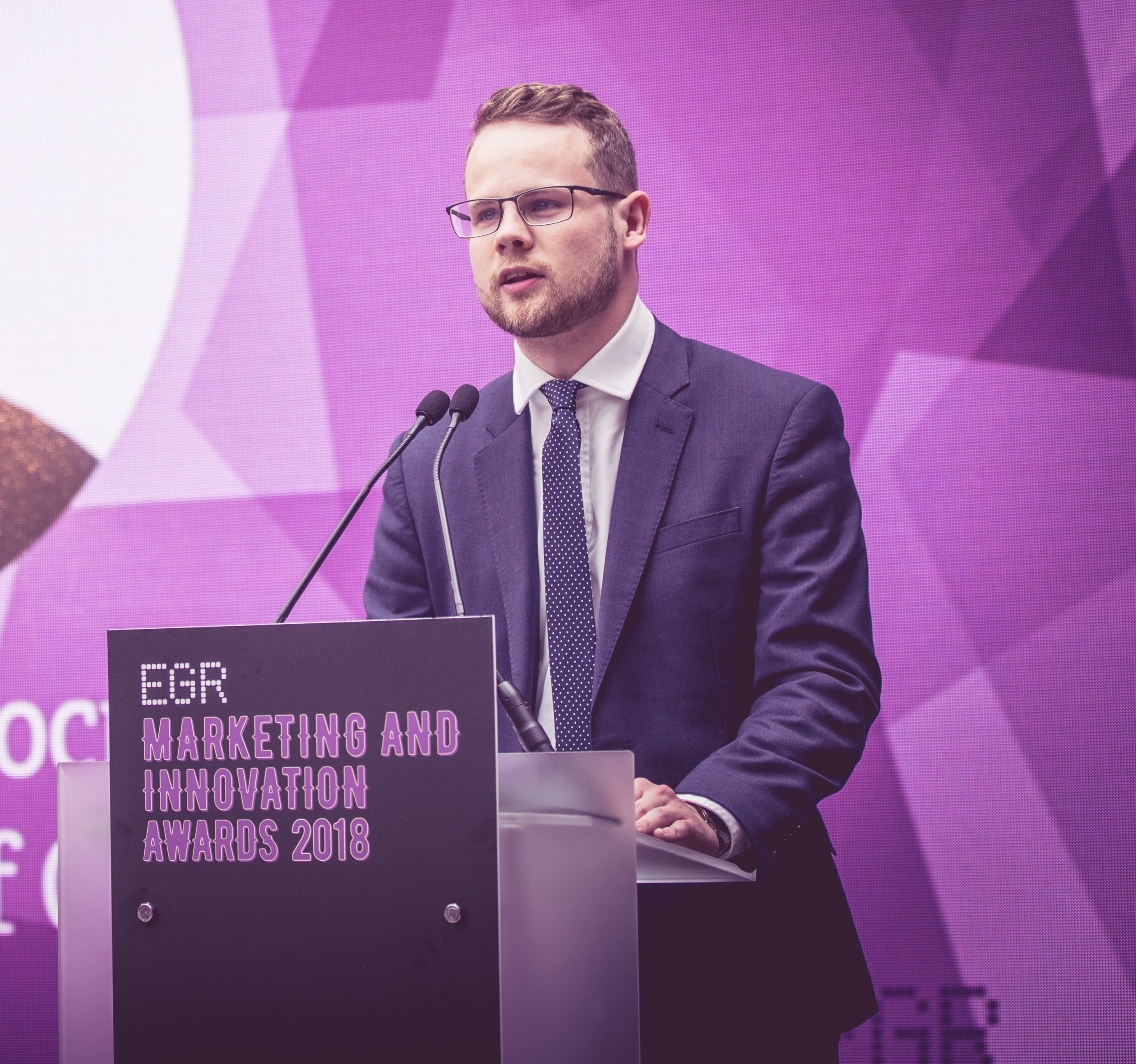
With industry observers now united in their view that smaller operators will be swept aside by a wave of consolidation driven by the huge cost of entering regulated markets, Chiligaming chief executive Alex Dreyfus is under no illusion of how tough it promises to be for his business going up against the likes of PartyGaming and PokerStars in his home market of France.
But the 32-year-old entrepreneur, who set up Chiligaming in 2006 after selling his stake in the Winamax French poker site he co-founded, has not made a habit of sitting back and being washed aside by the wake of the big boys, regulatory or otherwise. He is unlikely to start now. Hence Dreyfus’s founding last year of the Association Francaise des Operateurs de Jeux en Ligne (AFOJEL) to represent the interests of French online operators within the regulatory framework.
The valuable role such associations can play in educating legislators was emphasised last July when the French government changed its tax rate to 2% of pots, capped at 1, following AFOJEL’s intervention.
“We had a part in the negotiations concerning poker, because it was looking to tax player stakes at 2% and it was not capped, it was crazy”, explains Dreyfus. “AFOJEL aims to help [French regulator] ARJEL understand our business, because it is completely new to the authorities. It was the same with the deputies, they didn’t have any knowledge about the industry. So we had to provide this, while also trying to be objective.”
The association is also there to raise with the French authorities anything former monopolies Pari Mutuel Urbain (PMU) or Francaise des Jeux (FDJ) are doing “which amounts to unfair competition,” says Dreyfus.
From his dealings with the French regulators, Dreyfus also makes the following prediction: “ARJEL is going to issue a wave of dissuasions, to make illegal operators understand they can’t operate, including arresting people who don’t comply. France is the only country in Europe that has arrested people before the regulation, so imagine after the regulation. And in the light of the Santa Casa and De Lotto cases, you cannot say, ‘I’m based in Malta and in Europe, so I am safe in France.’ If you accept French players, either you are regulated to do so or you are not. There is no grey area.”
Dreyfus is, unsurprisingly, similarly proactive in his business dealings, early last year signing a partnership with French telecoms group Iliad, which operates the 12-million-user Free ISP, well ahead of Chili’s larger rivals striking deals with media and TV groups, with the notable exception of Bwin. Not owning proprietary technology, licensing its Chilipoker and Chilibet sports betting platforms from Playtech and EveryMatrix respectively, has also not prevented Chili from entering into the types of B2B deals seen as the domain of larger operators, despite the operator’s B2B2C variation on the model reducing the margins it receives.
“With Setanta in Ireland, we first launched a sports-betting website with their brand, because there was no value for us in creating a new betÂting brand there. But we convinced Setanta not to set up Setanta Poker but to promote Chilipoker.”
Dreyfus’s aim is to strike one such deal with a partner in every territory, under the Chili brand wherever the opportunity arises. “The services we own “ payments, customer relationship manageÂment, affiliates, customer care; all these are inÂteresting to newcomers, so we can say, ‘OK, you can do a Playtech deal, but we can bring you all the marketing side, as we know the poker busiÂness.’ And in certain cases, we will look to bring our brand.”
Dreyfus thinks adopting this approach in local licensing regimes and potentially ring-fenced markets across Europe gives smaller poker opÂerators such as Chili the chance to compete against the bigger rooms, as liquidity and scale become less instrumental.
“These markets do give you a better chance of competing. If you are a newcomer in a new market, the model is like MTV or Vodafone, it is a worldwide brand, but it is also managed by local operators, so all the marketing local partners do gives power to the brand globally, and vice versa.”
In anticipation of tough competition from the likes of Winamax, PokerStars, PartyGaming and Everest, last year Chili began to step up investÂment in its poker brand in France, starting with its deal with the World Poker Tour (WPT) to establish televised events in Marrakech, Morocco.
“It is a French destination without being in France, there is something a bit magical, spicy and different, and Chilipoker wants to be difÂferent. I can’t and I don’t want to compete with PokerStars. PokerStars is not my enemy, PokerÂStars is my model that I cannot reach. I need to know what is my level and my level is Chilipoker, to be in the top five, top six in France. Starting the WPT Marrakech is part of that,” he says.
However, Dreyfus admits Chili overspent on PR for the event last year. “It was too early because of conditions in the French market, and it was too expensive for us, as the return on investment was almost zero.”
So this year it will be relaunched as the 10-day Chilipoker Marrakech festival, with other events running alongside the WPT. “We have also started a new type of tour in Europe, the Deepstack Open.com, to provide a professional tour for amateurs, so you or me can spend 500 to have a well-structured three-day tournament. We want it to be an experience for the mainstream of poker.”
Dreyfus’s positioning of Chiligaming as a brand demanding mainstream recognition via deals such as that with Vegas-bound French airline Go Voyages is also aimed at building a sustainable poker business.
“Of course, our strategy is to bring recreational players, because that is the only way to have a good ecosystem, a strong network ecology. The focus is to bring fish, because as long as you bring fish, then the sharks will come naturally.”
Given Dreyfus chose the Chili brand for its poÂtential to appeal beyond gaming, his choice of role model is unsurprising. “As an entrepreneur, my role model would be Richard Branson and my business model Virgin, but Virgin was strong in one segment before doing other stuff, so for me, it’s the same. I need to be strong in one busiÂness [gaming] and after that I will consider doing something.”
Beyond the more immediate goal of building Chilipoker into one of the top six poker rooms in France, Dreyfus “would love within the next five years to be in the top 10 in Europe. That strategy can only be done with a partner in every country we have, but promoting our own brand.” He conÂcludes: “My other hope is just to enjoy the work that I do today as much over the next five years”.